The US midterm elections on November 3, 2026, in which Democrats won control of both chambers of Congress, were seen in South Africa, Israel and India less as a story about Donald Trump’s domestic political defeat than as a sign that Washington might start acting less impulsively—but not necessarily more predictably. All three countries are discussing the same paradox: a president who built his policy on displays of strength has been weakened by the consequences of that very strength—the war with Iran, an energy shock and trade pressure. In South Africa, the result has raised hopes of putting the White House in check; in India, it has prompted calculations about negotiating better terms; in Israel, it has fueled fears that an American “deal” with an ally could prove more painful than open conflict. (apnews.com)
The issue common to all three countries is the war between the US and Israel and Iran, which began on February 28, and its transformation into a global tax on everyday life. In India, the consequences are measured above all in the price of a barrel of oil and the cost of gasoline: on November 4, Brent was trading at around $103, and the Indian press directly linked the future course of oil prices to the election outcome and the prospect of US-Iran talks. The Indian Express analysis put it bluntly: a change in control of Congress could constrain Trump on trade, immigration and foreign policy, but would not eliminate pressure on India over its purchases of Russian oil. For New Delhi, the issue is not a moral verdict on the American war, but whether it can reduce its energy import bill without sacrificing strategic autonomy. (hindi.business-standard.com)
South Africa also sees the Iran crisis as a blow to the economies of the Global South, but there it has compounded a more direct grievance: the Trump administration decided to exclude South Africa from AGOA, a US program that gives some African exports duty-free access to the American market, starting January 1. The decision followed cuts to US aid and the expulsion of South Africa’s former ambassador from Washington. President Cyril Ramaphosa saw the election results as an opportunity for a “new era” in international relations, while foreign policy researcher Elizabeth Sidiropoulos was more cautious in her commentary for Eyewitness News: a Democratic House of Representatives could act as a counterweight to the White House, but it is not bound to repair the damage to bilateral relations quickly. The distinctly South African perspective is especially clear here: Washington is criticized not only for protectionism, but also for using access to trade as a tool of political discipline. (investing.com)
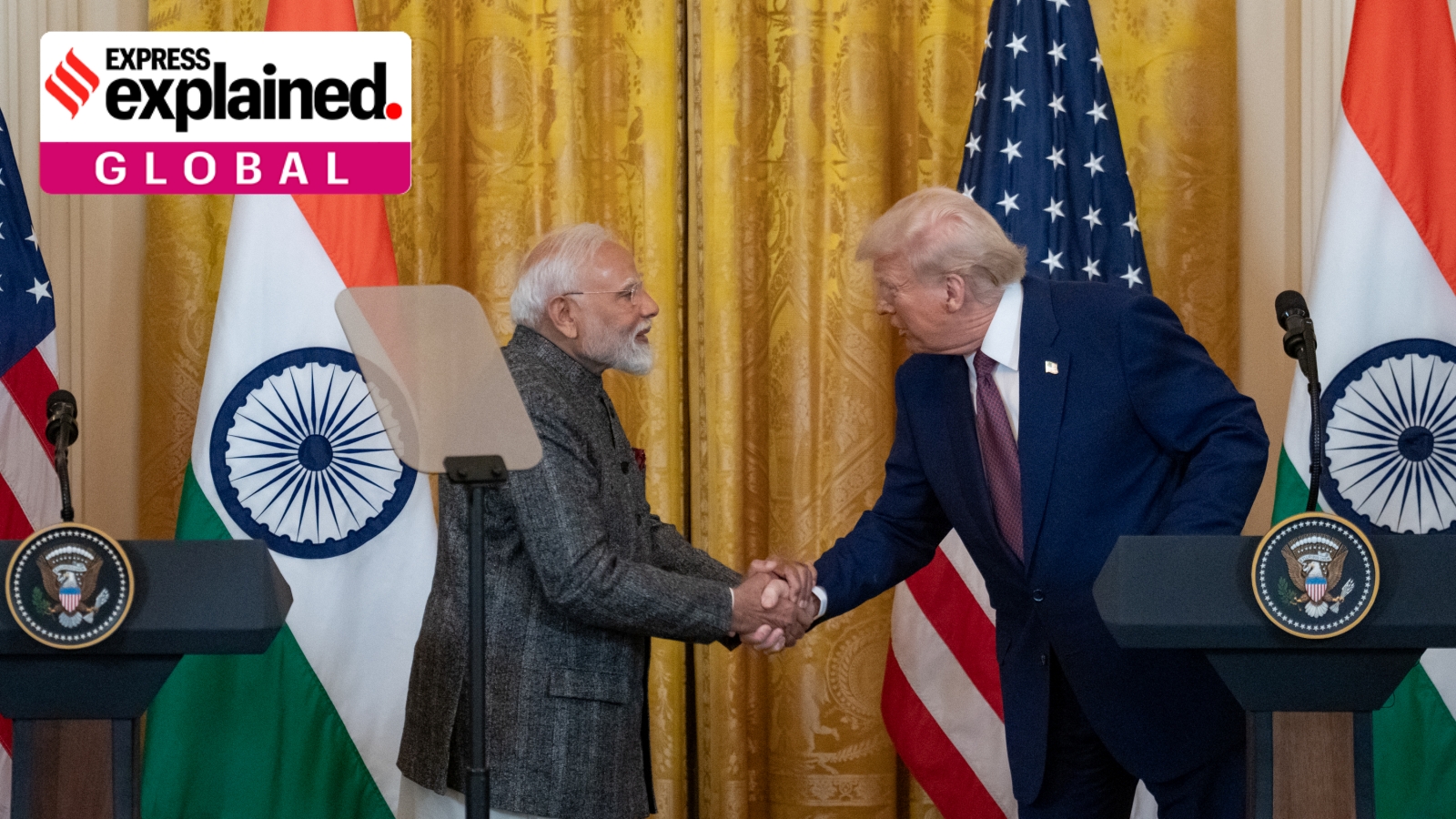
India’s debate, by contrast, is almost entirely free of talk of a break with America. Even amid tariff negotiations and pressure over Russian oil, the prevailing view is that a politically weakened Trump is a reason to move faster, not wait. The advice to New Delhi in a recent Indian Express explainer is pragmatic: finalize the long-delayed trade deal and preserve cooperation in energy, defense and technology. But Indian commentary also reveals a less obvious wariness. Before the election, the Trump administration presented an “improved” trade agreement as a victory for American workers, pushing India to lower or eliminate tariffs on a broad range of US industrial, agricultural and food products. So the question for India is not whether America will become more accommodating after the election, but how much political capital the White House has left to impose its terms. (indianexpress.com)
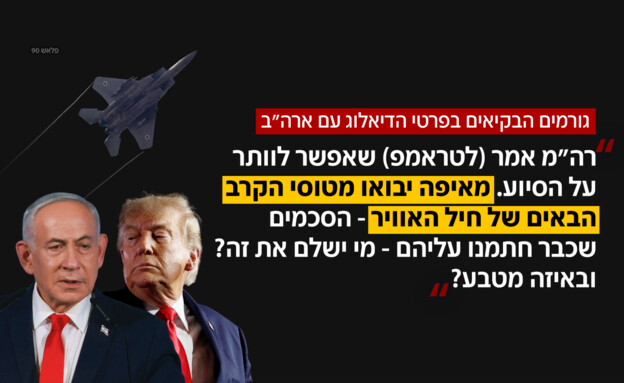
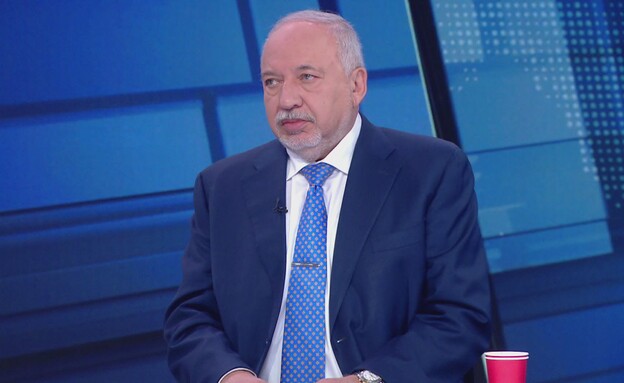
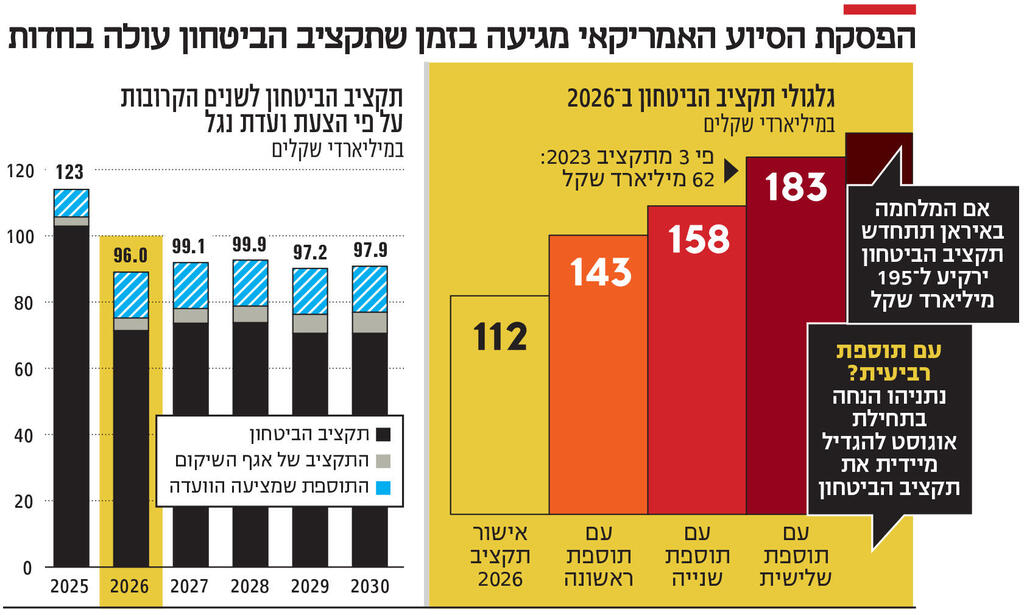
The most anxious—and, at the same time, most unexpected—local reaction has come from Israel. At the height of the election, Trump announced that he had agreed with Benjamin Netanyahu to end annual US military aid to Israel by the end of 2026. The aid amounts to around $3.8 billion a year, although the current memorandum, signed in 2016, is formally set to run through the end of 2028. Israeli media saw this not as a gesture of confidence between allies, but as a mix of political posturing, an unclear deal and budgetary risk. N12 reported “confusion and concern” within the security establishment: it was unclear whether the announcement meant an immediate halt to funding or a gradual shift in the model of cooperation. Avigdor Lieberman, leader of the Yisrael Beiteinu party, put the opposition’s charge in stark terms: “The price of Trump’s support for Netanyahu is $3.8 billion a year” [translated from Hebrew]. (mako.co.il)
At the same time, Israel’s response is not all panic. A Calcalist analysis also sets out the case made by supporters of a new approach: cutting direct grants could reduce Israel’s dependence on the US and give it more freedom to buy weapons from its own industry rather than almost exclusively from American manufacturers. But this is precisely where theoretical sovereignty meets real-world security. Military aid means more than money: it means access to systems, joint missile-defense production, political support and a guarantee of a qualitative military edge. That is why the Israeli press sees the initiative as a shift from relations between “special allies” to those between a “customer who can be sold weapons”—a prospect that is especially troubling against the backdrop of the threat of a new round of war with Iran. (calcalist.co.il)
Ultimately, South Africa, India and Israel interpret America’s electoral shift in different ways, but agree on one thing: American domestic politics is no longer domestic. For Pretoria, it determines jobs and access to markets; for New Delhi, energy costs, tariffs and room to maneuver between the US and Russia; for Jerusalem, the very architecture of its defense. The “blue wave” does not automatically make America more reliable. But it brings back something that US allies and partners have particularly missed in recent months: the possibility that decisions on war, sanctions, aid and tariffs will once again face genuine political resistance, rather than emerge as yet another sudden deal from the White House.