As of September 12, 2026, discussions in Turkey, France, and South Korea portray the United States less as a distant superpower than as an immediate factor in national security, inflation, and political choice. The main shared theme is the protracted US-Iranian confrontation over the Strait of Hormuz. But local commentators see a broader picture behind it: Donald Trump’s administration is simultaneously demanding money, military involvement, and political loyalty from its allies—doing so at a moment when it is increasingly guided by domestic electoral logic ahead of the US midterm elections on November 3. (lemonde.fr)
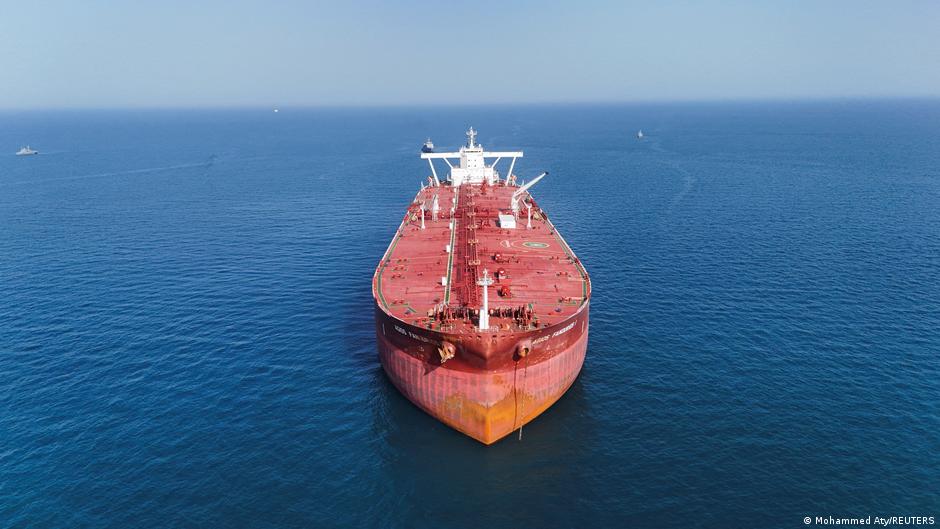
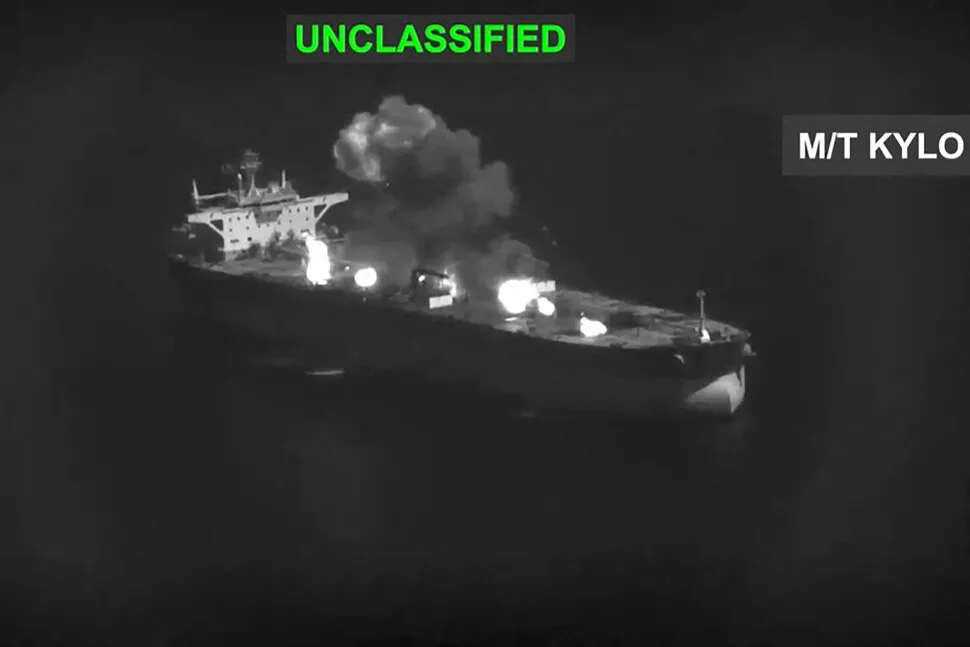
Hormuz is where the differences between the three countries are especially visible. In France, the conflict is viewed primarily as evidence of Washington’s strategic failure in military policy: the operation launched by the United States and Israel on February 28 has led neither to a lasting settlement nor to safe shipping, but has instead turned into a chronic crisis with an energy cost for Europe. Experts at the French Institute of International Relations, in an Ifri analysis, explicitly raise the issue not of military victory but of the war’s consequences for French and European inflation, budgets, and economic policy. The French reaction therefore goes beyond moral condemnation of Tehran or Washington: Paris is concerned that the United States can launch a campaign but cannot offer a political way out of it. (ifri.org)
In Turkey, the same conflict is viewed much closer to home. Turkish authors speak of an economic “Hormuz trap”: rising oil prices are intensifying already severe inflationary pressure, widening the current-account deficit, and making the country vulnerable to disruptions in trade routes. An analysis by Deutsche Welle Türkçe cites an estimate by the Central Bank of Turkey that every additional $10 increase in the price of oil raises the current-account deficit by approximately $2.6 billion over the following twelve months. For Ankara, the American war with Iran is not an abstract struggle for freedom of navigation, but a risk of having a destabilized Iran at its borders, along with migration and border pressure—and a new surge in prices at home. (amp.dw.com)
The South Korean debate links maritime security to allied coercion even more directly. Seoul is considering options for a military contribution to protecting shipping in the Strait of Hormuz, but public and expert concern stems from the possibility that participation in the American initiative could turn South Korea from a trade-dependent party into a participant in the war. The Hankyoreh newspaper noted that the issue of a Korean military contribution was being discussed precisely as the United States and Iran exchanged a new round of strikes. Korean media also reported Tehran’s warning that Seoul’s intervention would be regarded as direct participation in the conflict. Thus, in Korea, freedom of navigation is an essential economic necessity, but sending troops is a politically toxic step. (hani.co.kr)
In all three societies, there is clear distrust of the American formula of “limited” or “managed” escalation. Turkish researcher Bilgehan Alagöz, in an Anadolu Ajansı article, describes the current phase as a controlled intensification of pressure through limited operations, sanctions, and diplomacy. But it is precisely the word “controlled” that prompts skepticism: in Paris, observers see a prolonged conflict with no diplomatic horizon; in Ankara, the possibility that a mediator will gradually be turned into a party to the conflict; and in Seoul, the risk that allied solidarity will be measured not by declarations but by a willingness to assume military dangers. (aa.com.tr)
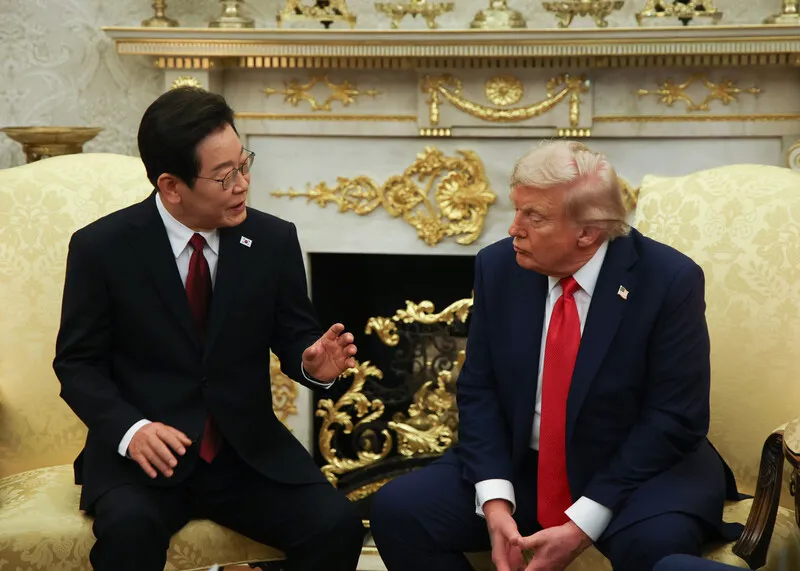
The second common theme is the transformation of American alliances into a system of deals with a high entry price. This is especially visible in South Korea because of the dispute over the promised $200 billion in investment in the United States. An investigation by Hankyoreh claims that Washington abandoned one of the safeguards intended to reduce the risk of losses for Korean capital: instead of a consolidated approach to investment returns, the American side insisted on allocating profits and losses on a project-by-project basis. In the Korean reading, this is not simply a commercial dispute but an example of an alliance becoming an asymmetric financial obligation. The authors also raise a more uncomfortable question: is the White House seeking to demonstrate an inflow of Korean money into the United States before the November elections? (hani.co.kr)
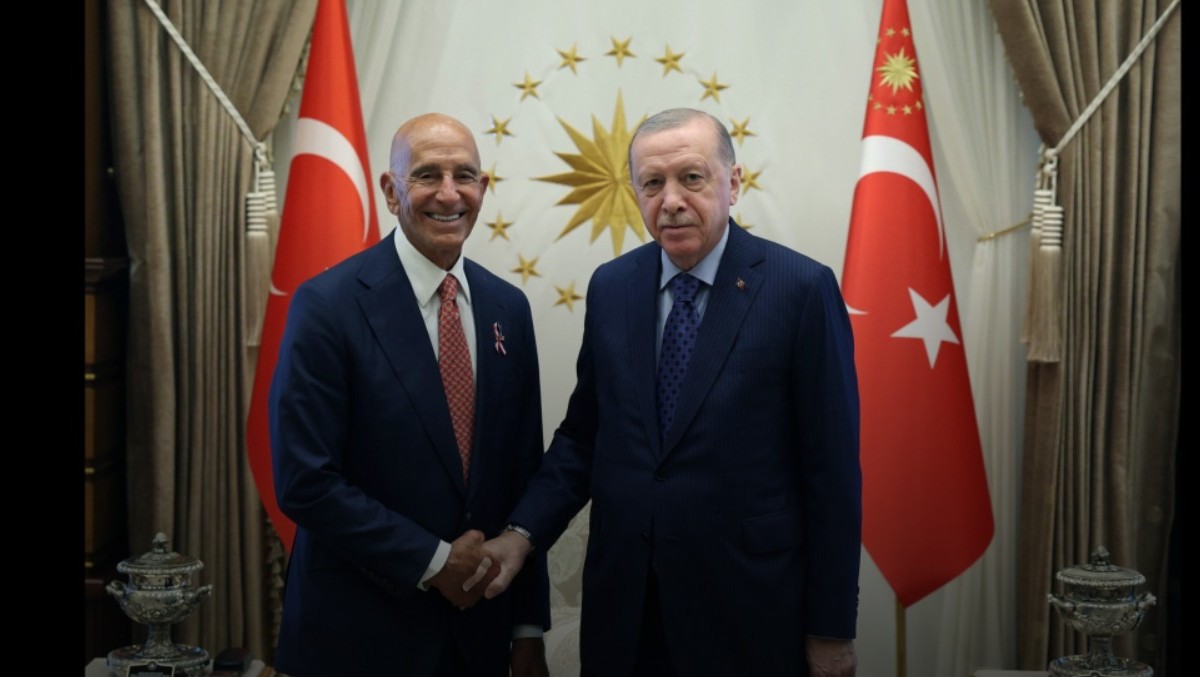
Turkish commentators view relations with the United States through a similar, albeit military, lens. Following President Recep Tayyip Erdoğan’s meeting with US Ambassador and Special Representative Tom Barrack on September 9, Barrack declared that bilateral relations were at their best point in history. Yet journalist Murat Yetkin, in a Yetkin Report column, advises against taking the formula at face value: he recalls the continuing consequences of Turkey’s purchase of the S-400, its exclusion from the F-35 program, and problems involving US restrictions affecting the engine of Turkey’s KAAN fighter jet. The Turkish response is paradoxical: Ankara values direct access to Trump and the ability to bargain, but does not regard warm rhetoric as proof of an equal partnership. (yetkinreport.com)
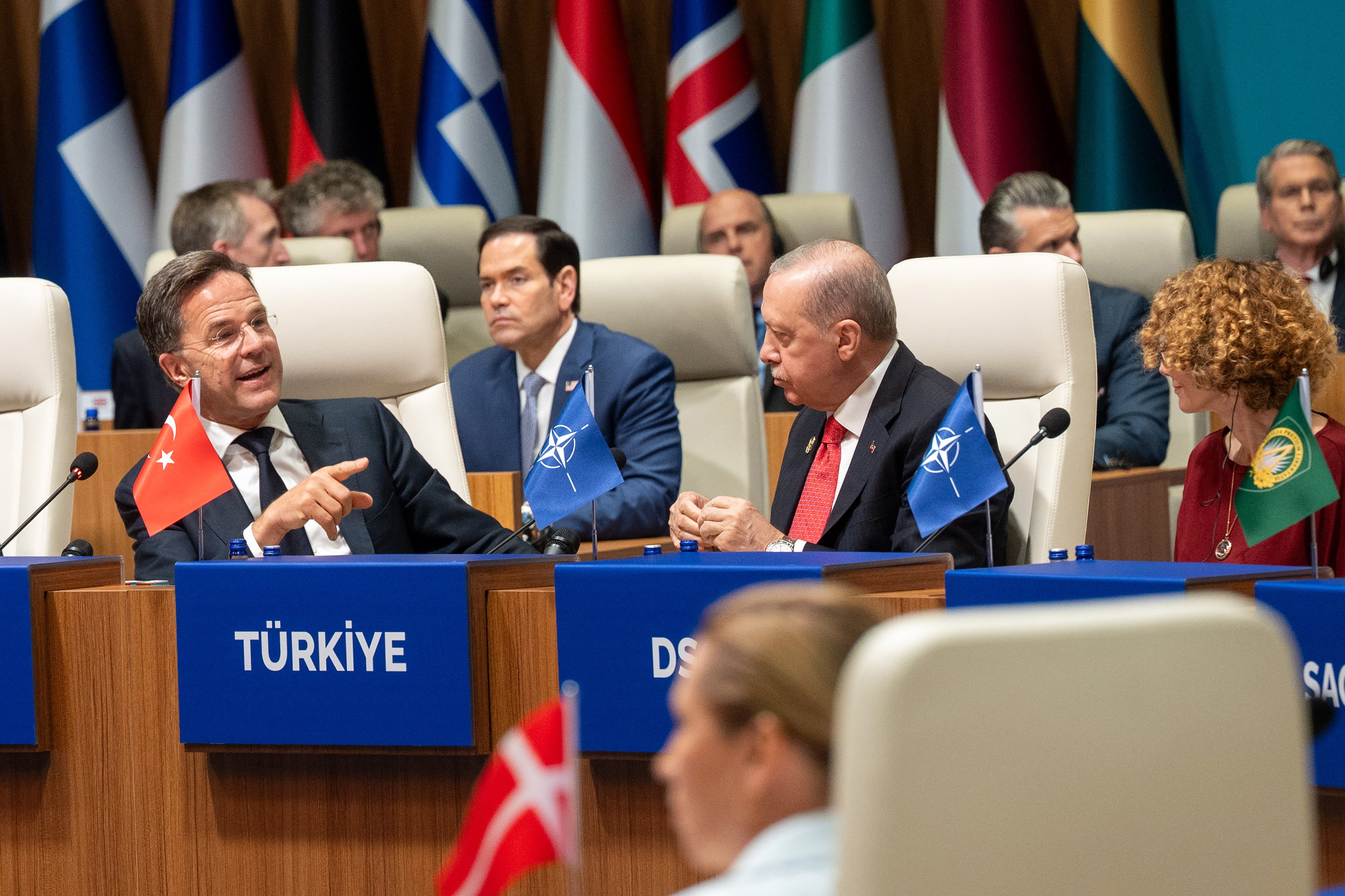
In France, a similar sentiment is expressed through the language of “strategic autonomy.” French analysts increasingly describe Trump’s policy as a combination of pressure on allies, an unstable commitment to NATO, and disregard for international law. A commentary by Ifri on divisions within NATO emphasizes that Europeans are being assigned individual responsibilities while key American command positions in the alliance remain in Washington’s hands. In other words, Europe is being offered more responsibility without commensurate control. The French distinctive feature is that they do not want simply to tolerate this dependence: they are trying to turn it into an argument for independent European defense and technological capabilities. (ifri.org)
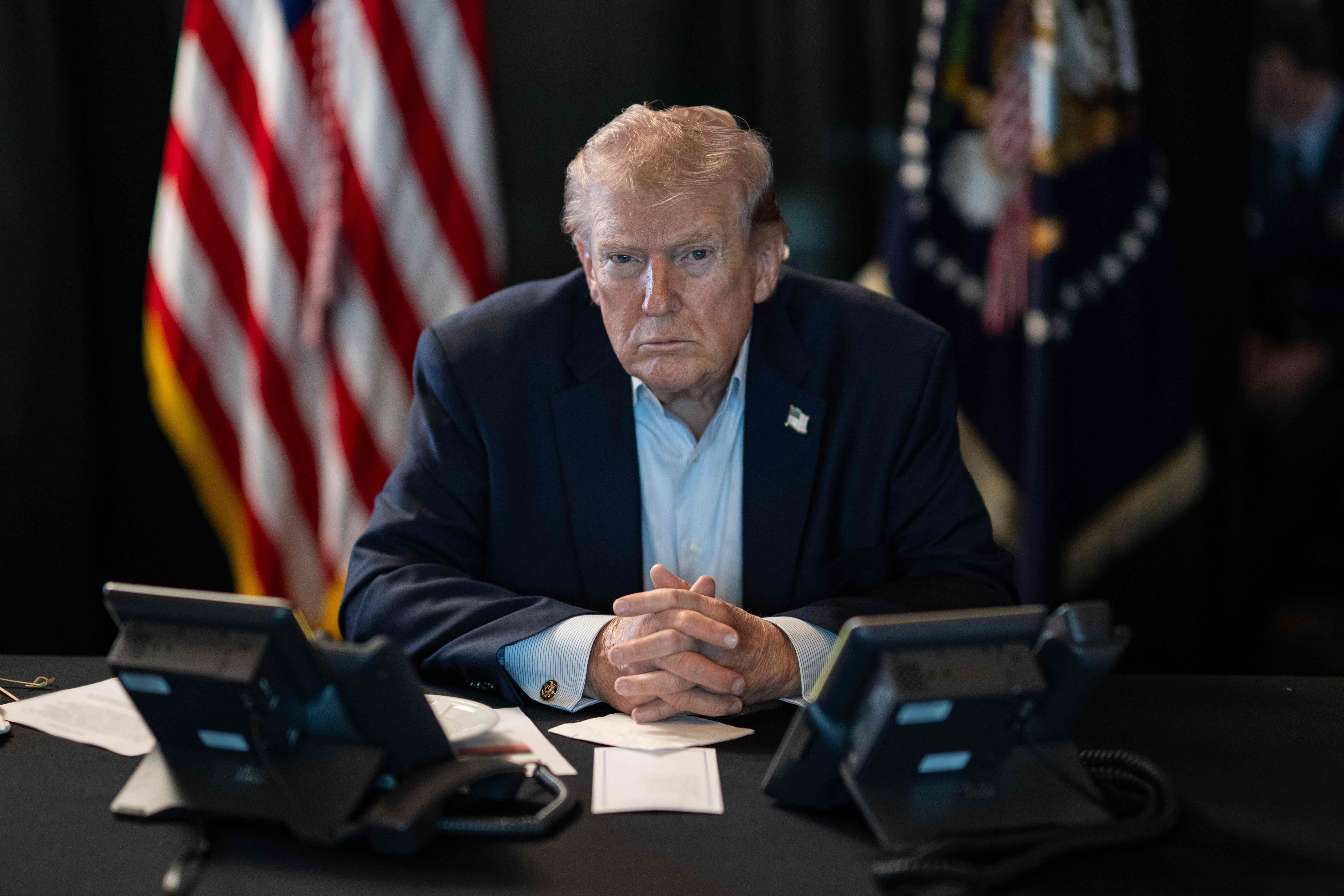
A third theme is particularly important and unites local assessments: US foreign policy is increasingly perceived as an extension of America’s domestic campaign. A French Ifri overview lists several of Trump’s fronts—Iran, Canada, Venezuela, and Ukraine—and sees not a coherent strategy but the simultaneous activation of multiple levers of pressure. Turkish analysts likewise link the escalation around Iran to Washington’s electoral calculations, while South Korean publications suspect that investment and military demands on partners are being adapted to the American political calendar. (ifri.org)
This leads to the most unexpected common conclusion of the Turkish, French, and Korean debates. In none of these countries is the United States viewed simply as an adversary that can be discarded: France needs American power in NATO, Turkey needs access to Western technology and political dialogue, and South Korea needs American deterrence against North Korea and protection for its maritime communications. But America’s image is changing. It is no longer a guarantor of order, but a powerful, necessary, and increasingly unpredictable partner capable of shifting the cost of its own crises onto its allies. That is why Paris speaks of autonomy, Ankara of active neutrality and maneuvering, and Seoul of caution about military involvement: different answers to the same problem—how to remain close to America without becoming hostage to its decisions.