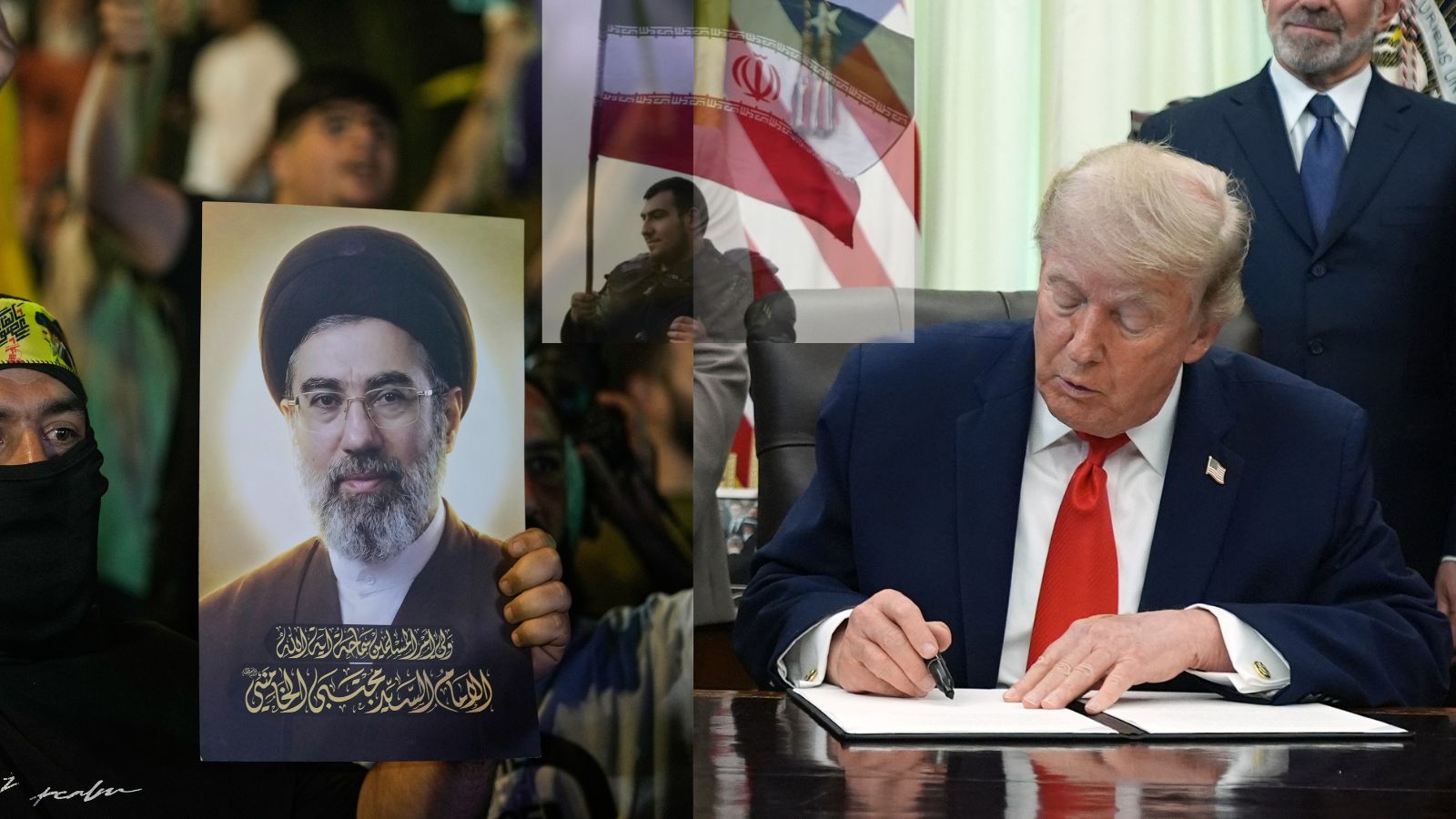
By September 15, 2026, discussions of the United States in India, France and Ukraine have come to revolve not around any single crisis, but around a sense that American policy is overextended. The focus is on the US war with Iran and the blockade of the Strait of Hormuz, Washington’s latest attempt to advance Ukrainian-Russian negotiations, and the increasingly overtly transactional style of Donald Trump’s administration—even in its relations with formal allies. Local commentators assess America’s motives differently, but agree on the central point: the problem is no longer simply that Washington uses force or pressure. It is that its partners find it increasingly difficult to understand the limits of that power, the value of American promises and the rules that will apply tomorrow.
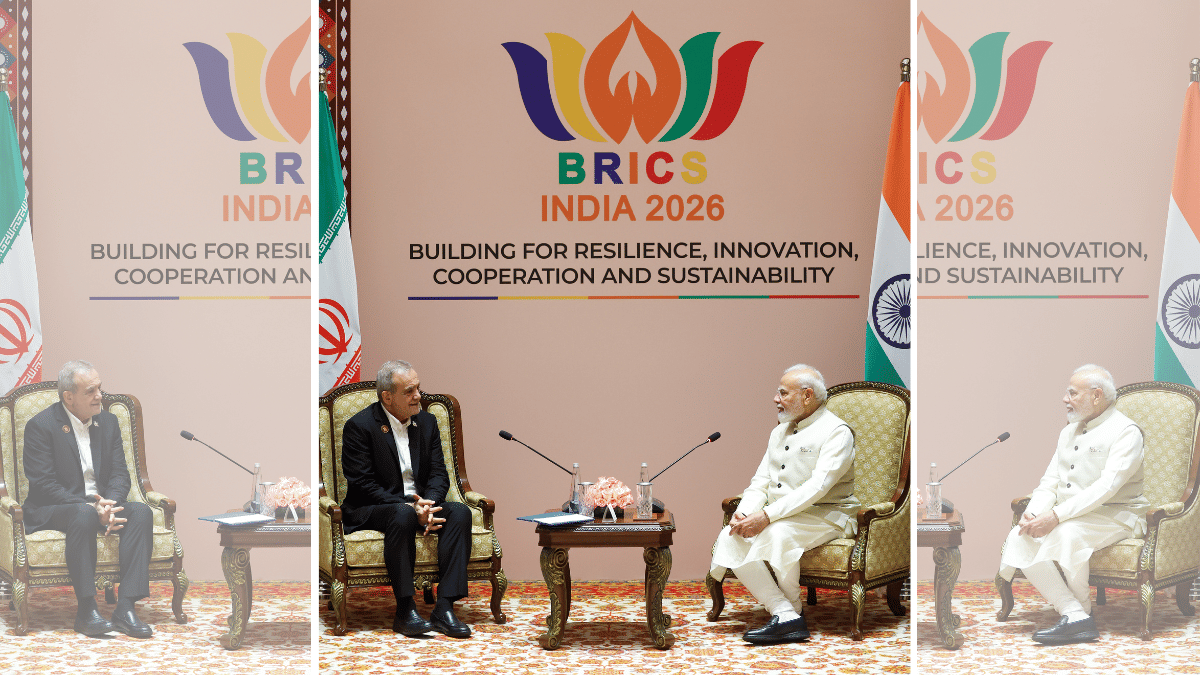
The most immediately painful issue for India is Hormuz. From the Indian perspective, the American campaign against Iran ceased long ago to be a distant Middle Eastern war: it is affecting shipping, energy supplies, Indian sailors and millions of Indian workers in the Gulf states. At a meeting with Iranian President Masoud Pezeshkian on September 11, Prime Minister Narendra Modi spoke of “lasting peace” and freedom of navigation and trade—a deliberately diplomatic formula, but one directed in substance at both sides of the conflict. For New Delhi, freedom of passage through Hormuz is not an abstract principle of international law but a condition of economic security. (theprint.in)
The editorial board of The Indian Express draws an extremely stark local conclusion: until a lasting agreement emerges on the management of the Strait of Hormuz, military strikes and economic escalation will resume. Indian debate shows particular irritation at the fact that both Tehran, which uses the strait as a lever of pressure, and Washington, which responds with blockade, sanctions and military force, are turning an international route into an instrument of their own struggle. An earlier editorial in the same newspaper called the situation a trap between Iranian blackmail and unilateral American pressure; its human dimension is the death and disappearance of Indian tanker crew members. (indianexpress.com)
The French view of the same war is less personal, but no less тревожен. French media are primarily following how the escalation in the Middle East is changing the global balance of power, oil markets and Europe’s ability to act independently. In a Le Monde analysis, the Houthis’ successes along the Red Sea coast are described as strengthening Iran’s negotiating position vis-à-vis the United States: Tehran is gaining the ability to exert pressure simultaneously on two key maritime corridors—Hormuz and Bab el-Mandeb. The French concern here is that the American military campaign is not isolating the conflict but expanding the number of points where regional actors can dictate terms to global trade. (lemonde.fr)
Indian criticism goes deeper than simple pacifism. In Amitabh Mattoo’s column, a painful point for New Delhi comes through: proximity to Washington does not equal influence over Washington. Mattoo writes that a pause in the war or negotiations could give markets some respite, but would not eliminate the causes of the crisis—Iran’s regional policy, Israel’s problems, the Gulf’s vulnerability and, as he puts it, Trump’s “hubris.” More important is something else: India is discovering that its economic interests and the safety of its citizens may become secondary when America determines the negotiating parties and the structure of a deal. This represents an unexpectedly sharp reassessment of relations that New Delhi until recently often described as a strategic rapprochement. (indianexpress.com)
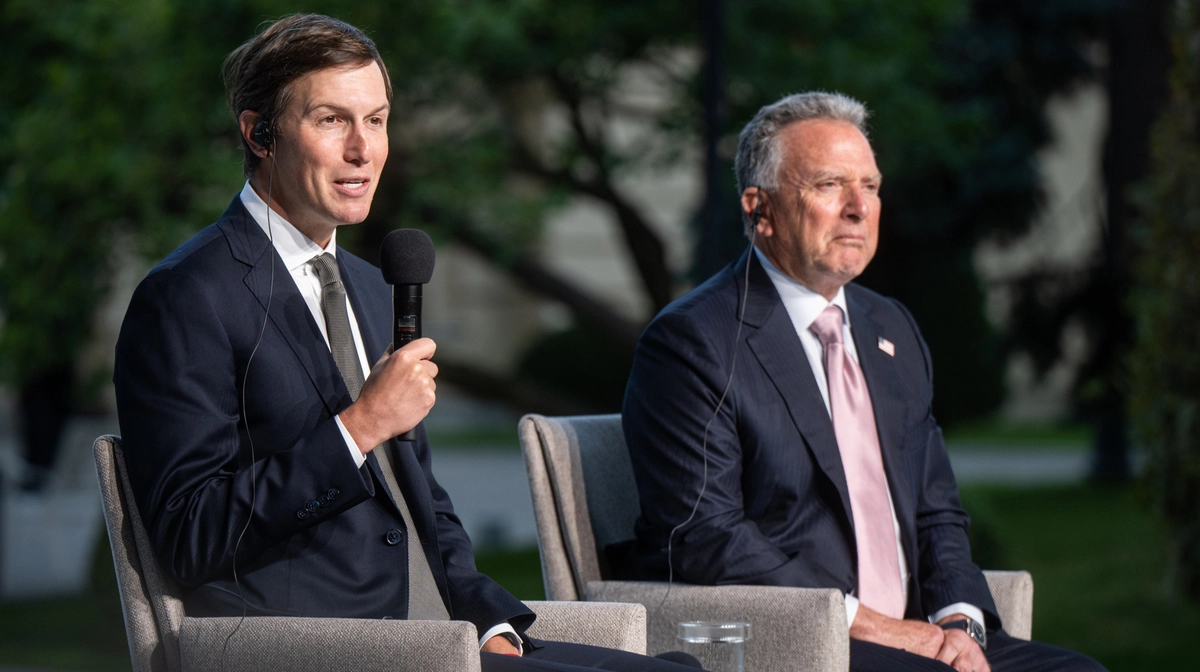
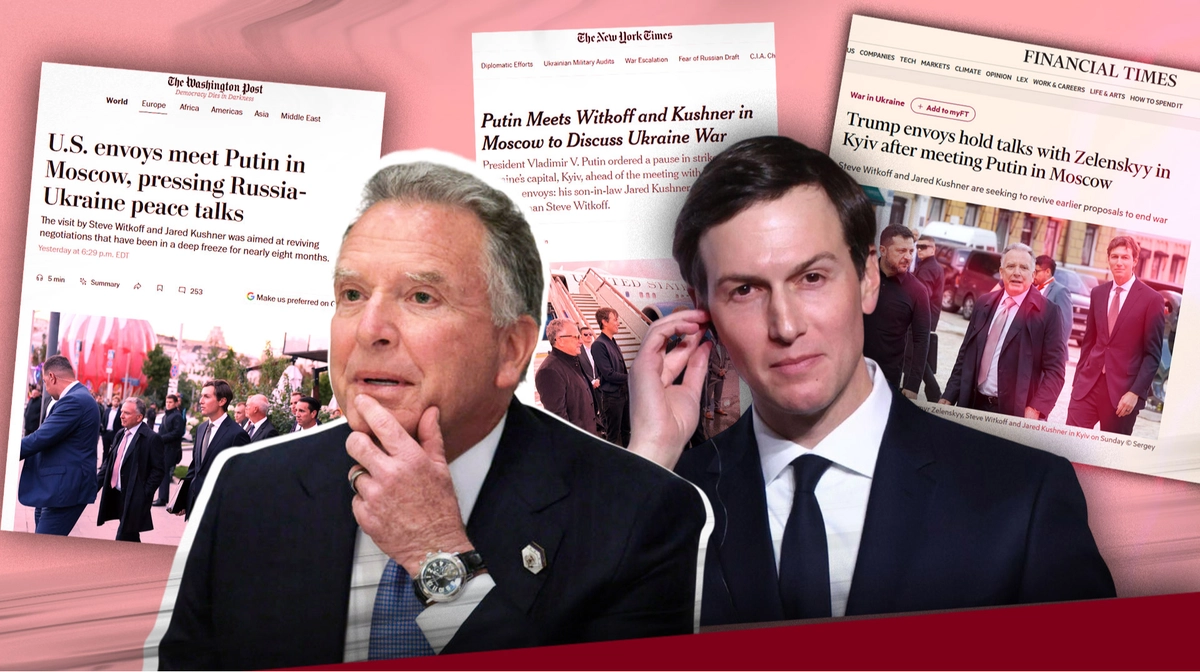
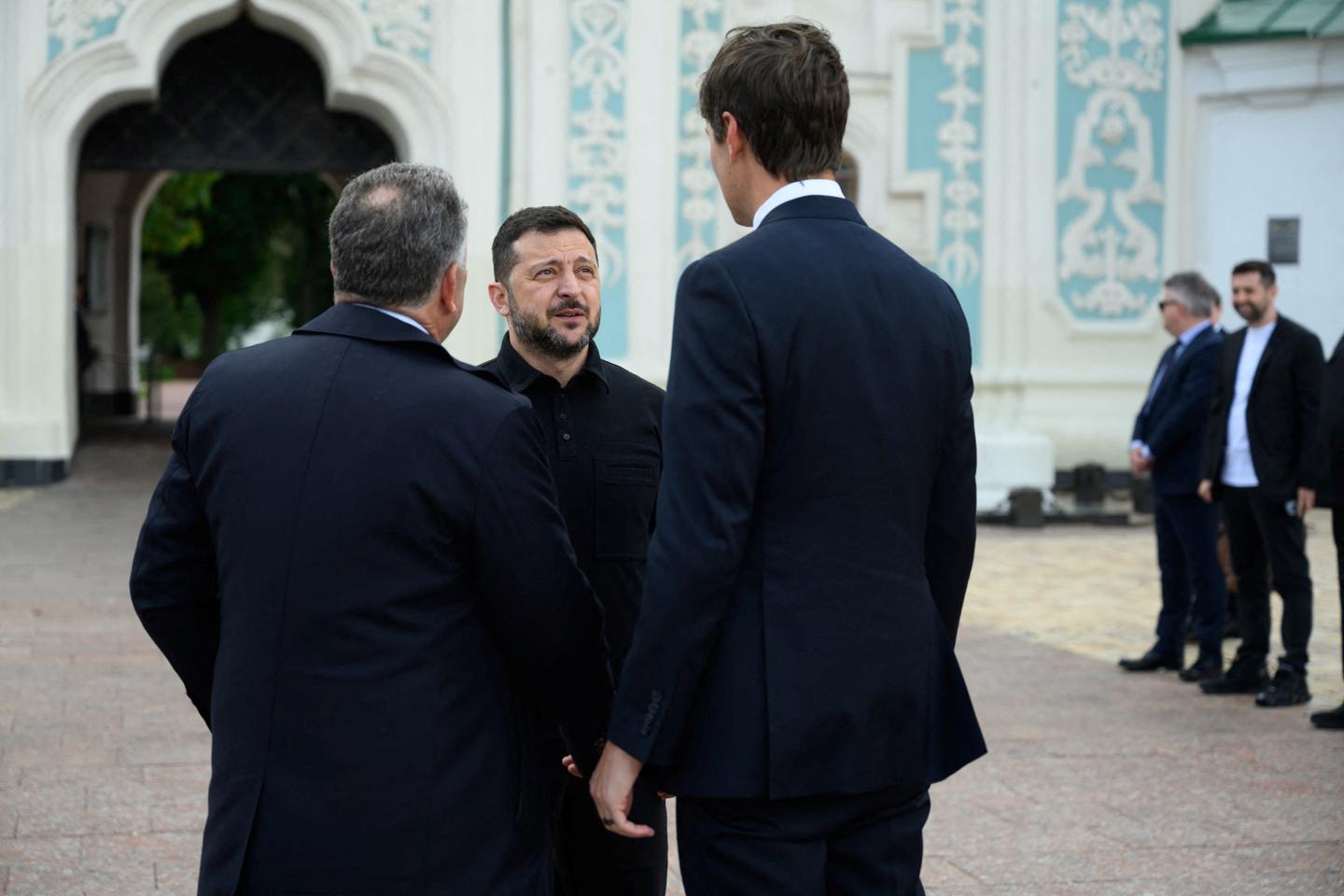
In Ukraine, the irritant is different, but the logic of how the United States is perceived is similar: Washington is essential, yet its mediation increasingly appears to be a source of dangerous oversimplification. Following Steve Witkoff and Jared Kushner’s visits to Moscow and Kyiv, the Ukrainian agenda focused on a statement Kushner made on September 12 at the YES forum in Kyiv. He effectively said that an agreement could already be ready if Ukraine agreed to withdraw to the line of Vladimir Putin’s territorial demands. Ukrainska Pravda conveyed the reaction without diplomatic softening: the American envoy made the delay in the deal conditional on Kyiv’s unwillingness to make territorial concessions and proposed linking the question of borders to the situation on the battlefield. (pravda.com.ua)
For Ukrainian audiences, this is not simply an ill-judged remark by a mediator. It is perceived as an attempt to replace the question of aggression with a question about the mechanics of compromise. The publication also noted that Kushner avoided speaking about Russia’s genocide in Ukraine and used symmetrical language about the suffering of both sides. It was especially symbolic that an air-raid alert sounded in Kyiv as he discussed Russia’s readiness for a settlement. This produces a fundamental Ukrainian counterargument: surrendering territory under the threat of continued violence cannot be treated as negotiating “flexibility.” (pravda.com.ua)
In Ukrainska Pravda’s analysis, the visit by the American representatives is called an attempt to restart negotiations that had reached a dead end, but without expectations of a rapid breakthrough. Ukrainian sources quoted by the publication emphasize the asymmetry of the diplomatic process: Witkoff had previously visited Putin six times and Kushner twice, whereas their September trip was their first visit to Kyiv; at the same time, the American delegation was not given the opportunity to visit Bucha and Irpin. In the Ukrainian reading, this is not a matter of protocol but a sign that Moscow still knows how to set the framework for negotiations. (pravda.com.ua)
France occupies an intermediate position in the Ukrainian story, between Kyiv’s concerns and the need to preserve a channel for negotiations. French representatives took part in meetings with the American delegation in Kyiv alongside their British and German counterparts. But the French press noted the absence of a diplomatic breakthrough and the parties’ caution regarding their next steps. (lemonde.fr) For Paris, American mediation remains indispensable, since it is difficult to imagine credible security guarantees or pressure on Moscow without the United States. Yet the participation of France and other European countries is also an attempt to prevent Ukraine’s fate from being discussed solely through a Washington-Moscow bilateral framework, in which European security becomes an adjunct to a broader American deal.
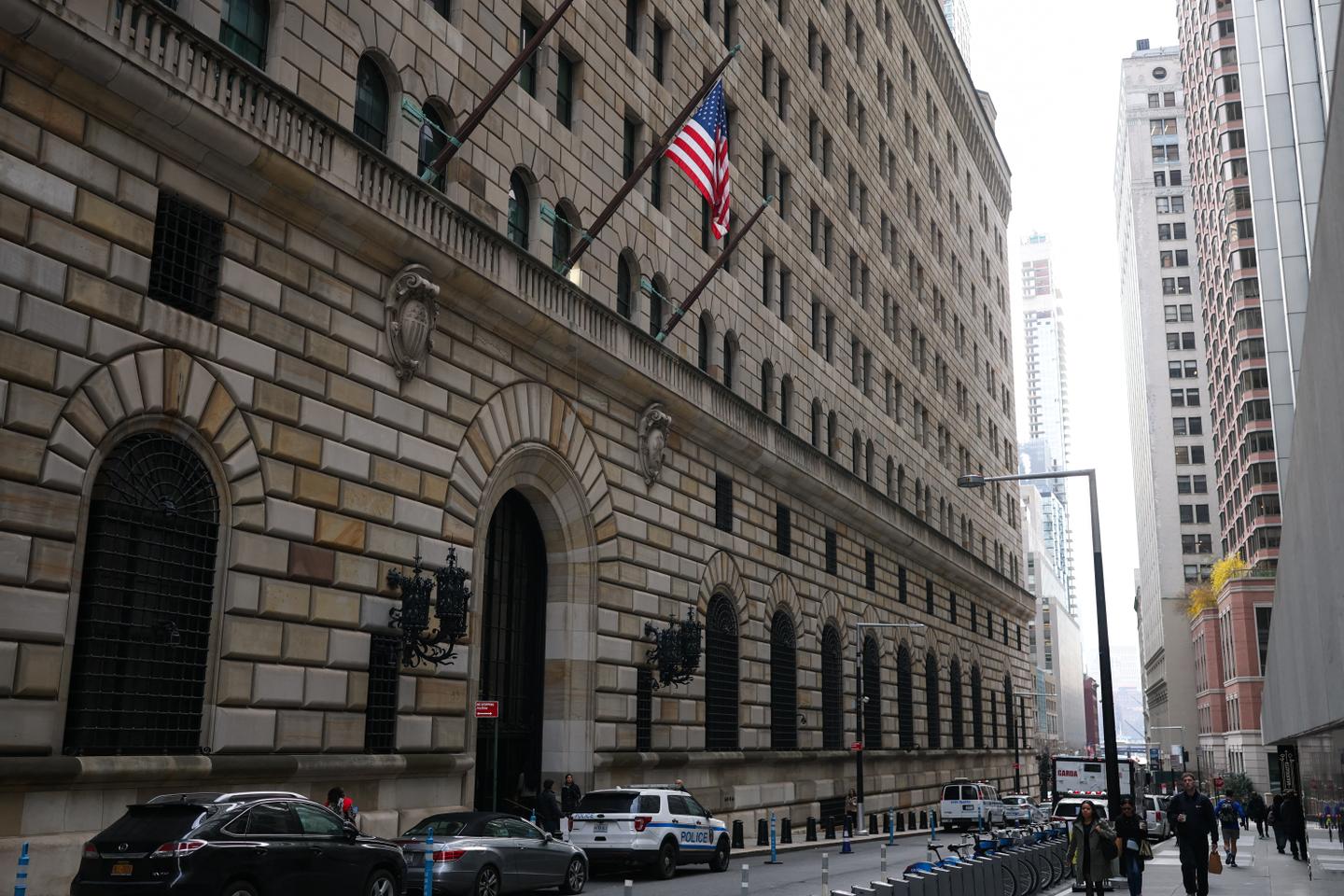
These two crises give rise to a common theme—the erosion of trust in the United States as a predictable ally. In France, it has found almost literal expression in gold. Le Monde economic columnist Isabelle Chaperon described the Netherlands’ transfer of part of its gold reserves from the United States to London as central banks “voting with their bars” against the unreliability of the American ally. This does not mean an immediate break with the dollar system. But the gesture itself shows that European distrust of Trump’s policies has become so strong that it is penetrating an area where decisions are usually made for decades. (lemonde.fr)
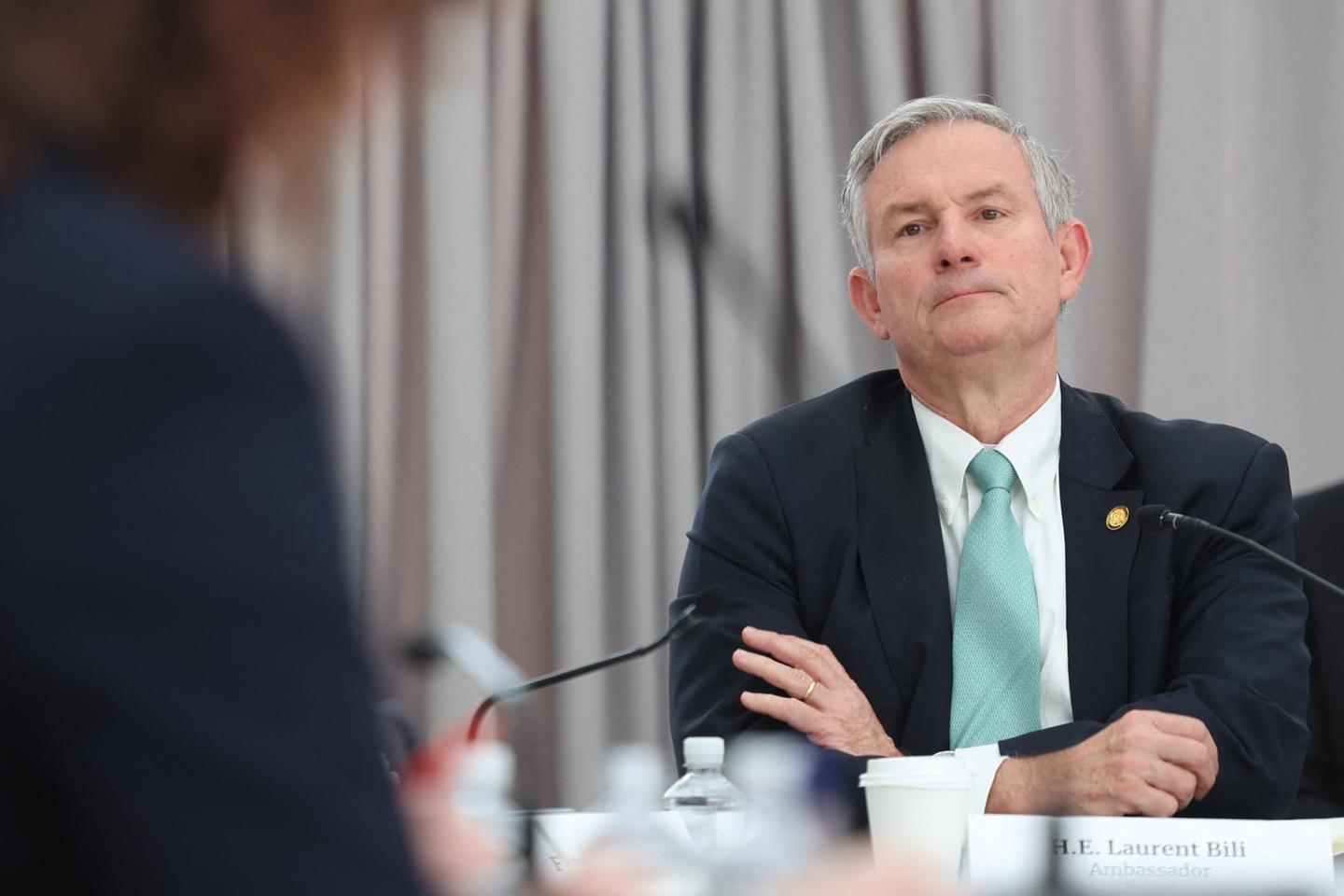
An episode involving the French ambassador in Washington is even more telling. According to Le Monde, Paris had to publicly express “regret” over its own July statement on human rights in order to lift the American blockade of the appointment of a new ambassador. France’s formula—that disagreements over a vote do not cancel the historic alliance and close dialogue—testifies to the nervousness of the moment: the alliance has to be specifically reaffirmed precisely because it is no longer perceived as automatic. (lemonde.fr)
India sees the same problem through trade. In trade expert Ajay Srivastava’s column, American tariff policy is described as an increasingly permanent, multilayered and unpredictable system in which tariffs have become an instrument not only of trade but also of foreign policy. The author advises New Delhi not to yield under pressure, to strengthen its competitiveness, diversify its markets and preserve its policy autonomy. This is an important shift: the United States remains a critical partner for India in the Indo-Pacific, but is increasingly viewed not as a guarantor of strategic support, but as a market and negotiating partner capable of changing the rules at any moment. (indianexpress.com)
A paradoxical international picture is taking shape. Ukraine cannot do without America’s military and diplomatic role, but fears that Trump’s desire to end the conflict quickly will turn its sovereignty into a bargaining chip. France still needs the United States for European security, but is responding to American unpredictability by seeking strategic and financial autonomy. India cooperates with Washington to contain China, yet the experience of Hormuz and tariff threats is leading it to conclude that the partnership must be less emotional and more calculating.
The main local realization is not that America has become weaker. Rather, India, France and Ukraine are increasingly seeing a different America: a country that retains enormous capacity to change the course of wars, markets and negotiations, but is becoming less and less able to convince its partners that this power will be used according to stable rules. That is why reactions to the United States today sound not like anti-Americanism, but like a demand for insurance against American policy—in supply routes, gold reserves, European participation in negotiations and trade diversification.