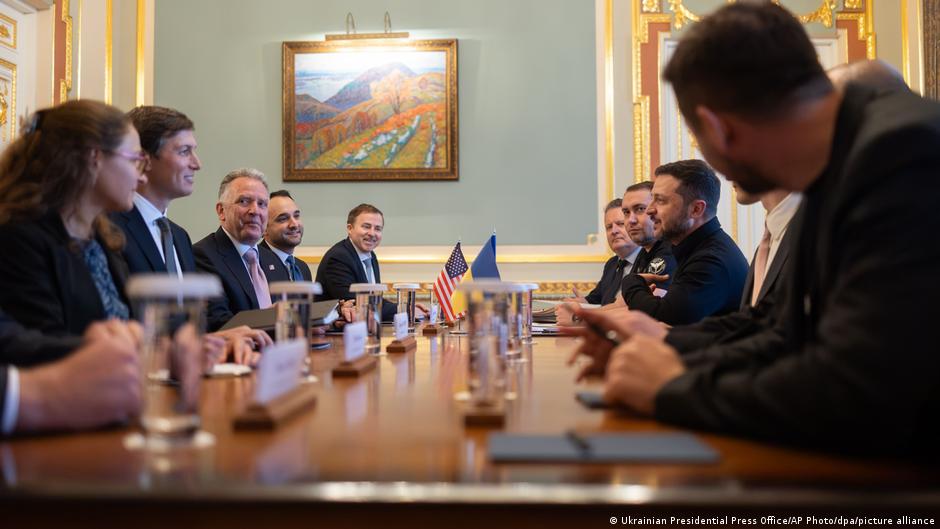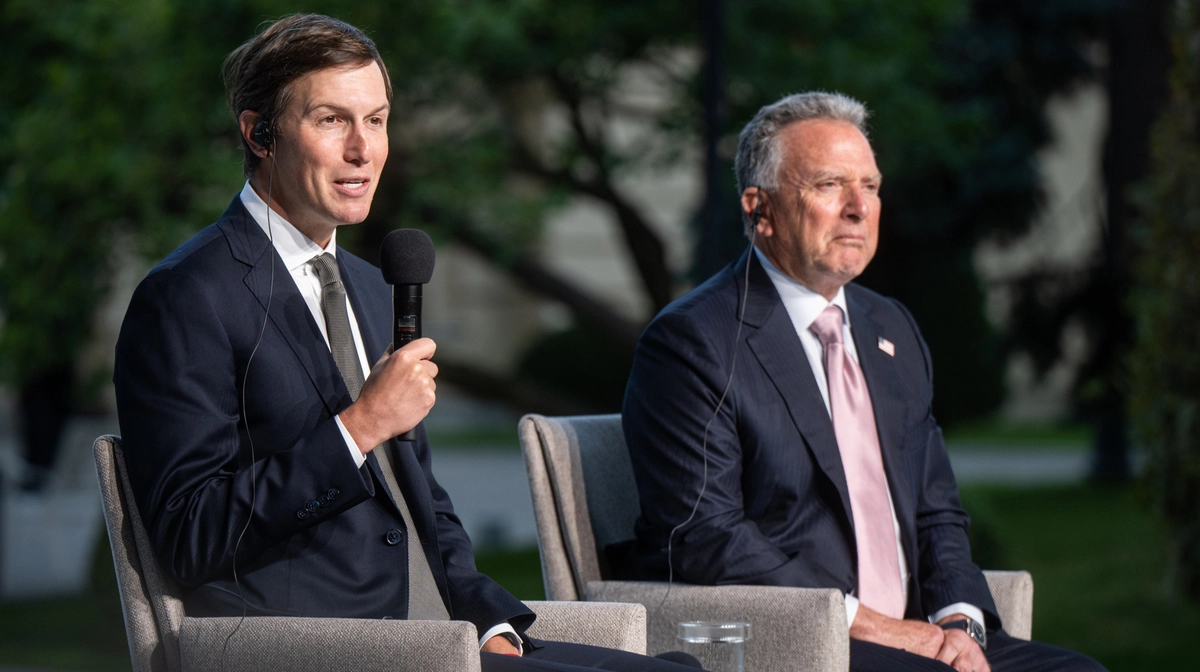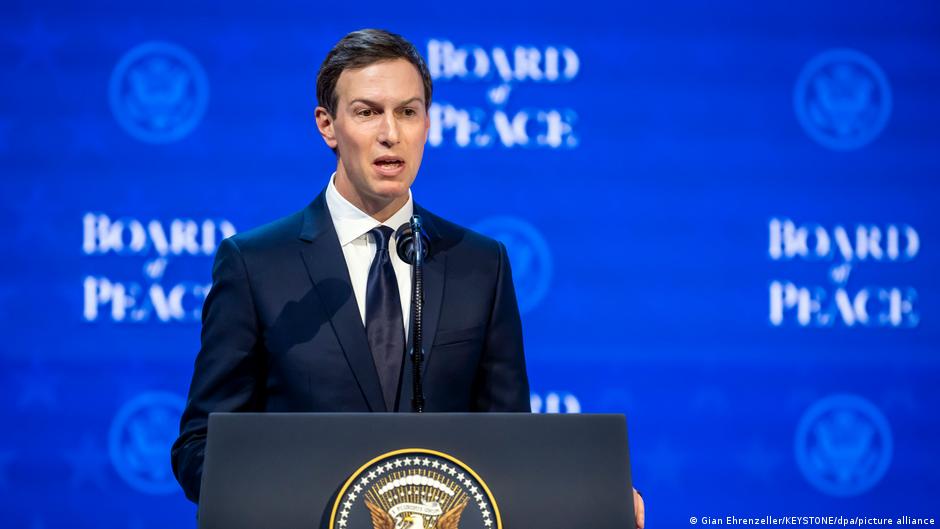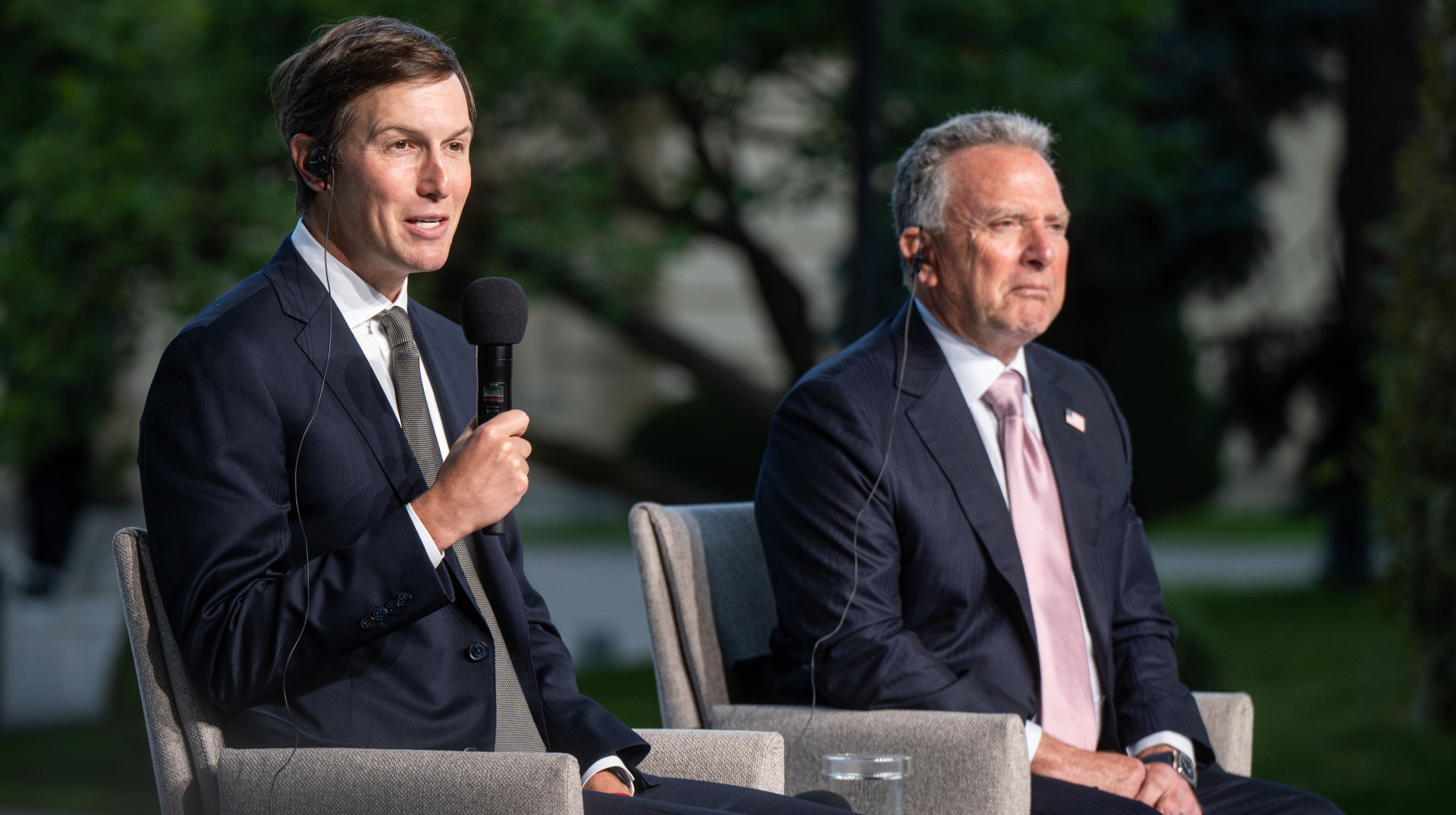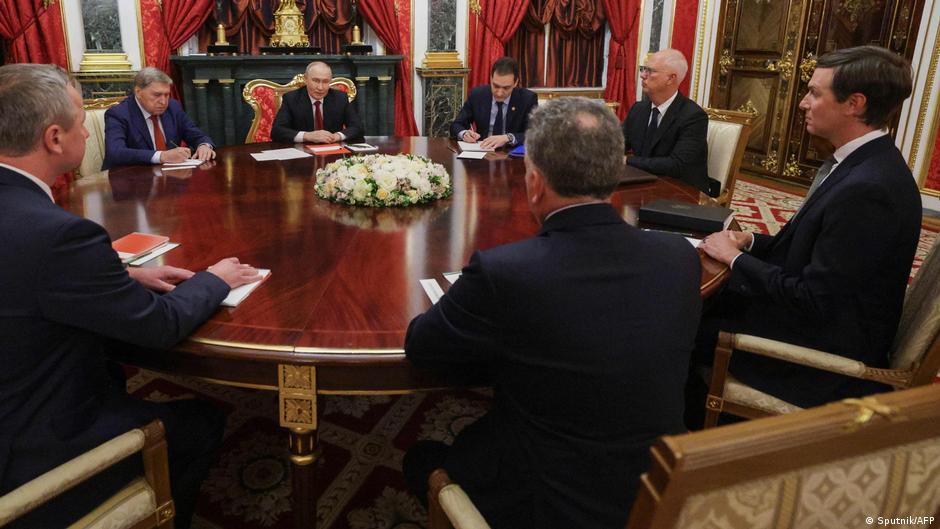
In mid-September, the main American story for Russia, Ukraine and Germany was neither another summit nor a new sanctions package, but Washington’s attempt to reclaim its role as mediator in Russia’s war against Ukraine. Steve Witkoff and Jared Kushner’s visits to Moscow on September 5 and Kyiv on September 6 revived talk of a trilateral U.S.–Russia–Ukraine format, but almost nowhere did they create illusions of imminent peace. In Moscow, the visits are seen primarily as recognition that the conflict cannot be ended without taking Russian conditions into account; in Kyiv, as a necessary but potentially dangerous return by the United States to bargaining over territory; and in Germany, as a test of European security, transatlantic loyalty and domestic political stability all at once. (kommersant.ru)
The most significant divergence concerns what exactly should be considered “progress.” Following Putin’s meeting with the American envoys, Russia’s official line was notably positive: presidential aide Yuri Ushakov described the conversation as “substantive and constructive,” saying that Moscow had presented the Americans with its assessment of the military situation and the need to eliminate the “root causes” of the conflict. As Meduza reported it, this does not sound like a readiness for compromise, but rather like the Kremlin’s confidence that diplomacy should formalize what Moscow considers its advantage on the battlefield. Even the more cautious Kommersant analysis notes that the United States may bring negotiators to the same table, but cannot resolve the central disagreements on its own—over territory, an international military presence in Ukraine and security guarantees. (meduza.io)
Ukraine’s reaction to the same American activity is considerably more ambivalent. The very fact that Witkoff and Kushner made their first full-fledged visit to Kyiv is viewed there as an important signal: the United States is once again speaking not only with the Kremlin but directly with the Ukrainian side, with representatives of Germany, France and the United Kingdom also taking part in the consultations. Yet optimism ends where the details begin. In a Ukrainian-language DW report, Ukrainian political analyst Petro Buryachenko described the American mission in notably sober terms: to revive the process, obtain publicly positive assessments from both sides and create a convincing picture of diplomatic movement for Washington. In this interpretation, the talks are needed by the Trump administration not only as an instrument of peace, but also as a political asset ahead of the U.S. midterm elections. (amp.dw.com)
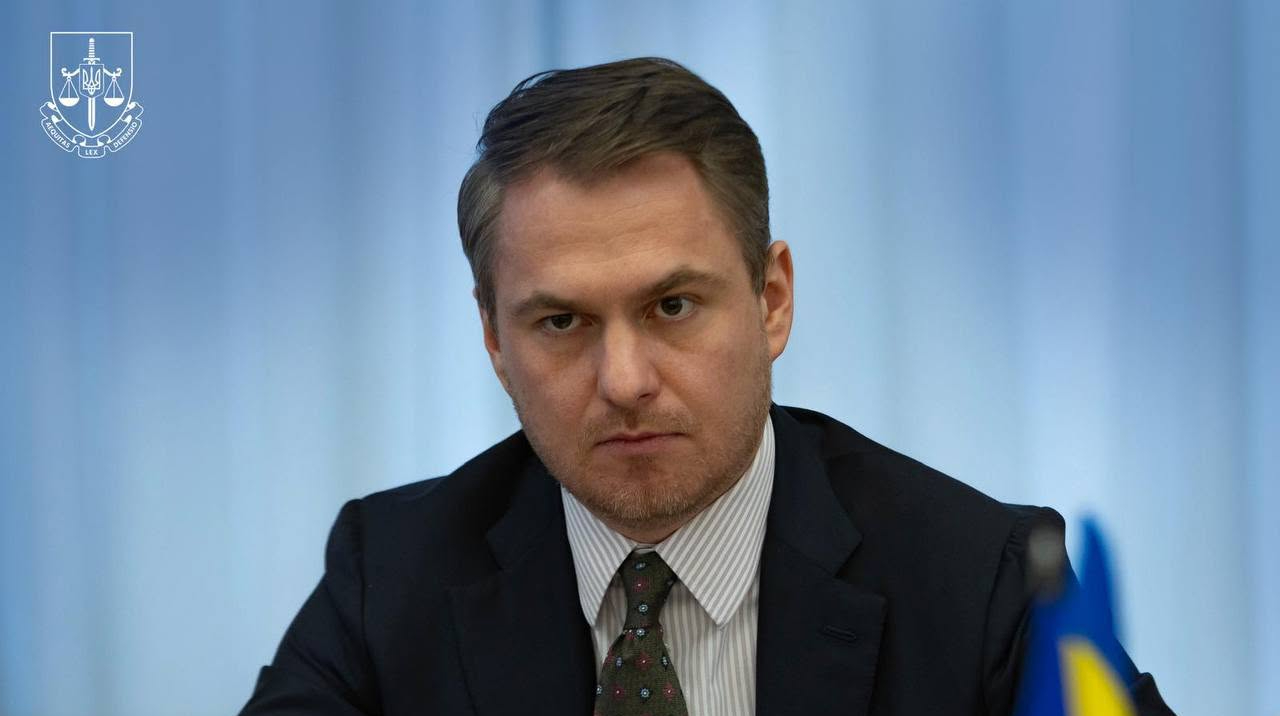
Ukraine reacted particularly sharply to Kushner’s statement that an agreement could be reached if Kyiv agreed to give up the territories within the boundaries demanded by Putin. Ukrainska Pravda conveyed the statement without diplomatic softening: the American mediator had effectively identified a territorial concession as the last obstacle to a deal. For Ukrainian audiences, this is not an offer of compromise but the risk that the American formula for “peace” will boil down to a demand that the consequences of the war be formalized politically. Local commentators therefore do not reject U.S. involvement—in fact, they consider Washington indispensable for arms supplies, air defense and future guarantees—but they are not prepared to view the resumption of talks as an achievement in itself. As DW noted, the American team itself acknowledges that Moscow and Kyiv have no common vision of the desired outcome, while the territorial issue remains the most difficult one. (pravda.com.ua)
This also gives rise to an unexpectedly shared concern in Kyiv and Berlin: Europe cannot simply be a spectator to an American–Russian conversation. Ukrainian analysts stress that the participation of Germany, France and the United Kingdom in contacts with the Americans is not merely a matter of protocol. Germany remains a key European supplier of military aid, while Paris and London are associated with discussions of postwar security guarantees. A Ukrainian DW analysis describes this as the Europeans’ effort to prevent a future settlement framework from becoming a deal agreed over their heads. (amp.dw.com)
In Germany, the American issue has also taken on a domestic dimension. Donald Trump congratulated the “populist party” on the success of the Alternative for Germany in Saxony-Anhalt and ended his message with the slogan “MGGA”—Make Germany Great Again. For Berlin, this was not an innocuous online gesture by an ally, but an intervention in the country’s political nerve center. As Tagesschau reports, Chancellor Friedrich Merz postponed a scheduled phone call with Trump, while the government’s coordinator for transatlantic relations, Metin Hakverdi, responded unequivocally: Germans decide for themselves how to vote and how to shape migration policy. German anxiety is particularly apparent here: Washington is simultaneously demanding greater independence and defense spending from Europe, while the U.S. president publicly sympathizes with a force skeptical of support for Ukraine and of the established architecture of Euro-Atlantic policy. (tagesschau.de)
This anxiety is not limited to irritation among the elites. A September Infratest dimap poll for ARD shows German society divided: more than half of respondents consider Russia a threat to Germany’s security, but two-thirds of AfD supporters rate the threat as low; the country is also split over military support for Ukraine. Thus, American diplomacy is viewed in Germany through the prism of trust: will Washington consistently defend European security, or will it use talks with Moscow and support for right-wing populists as leverage against European governments? (infratest-dimap.de)
This is the main difference among local views of the United States. Moscow sees the White House’s renewed activity as an opportunity to shift the conversation from Russia’s isolation toward negotiating the terms of a deal. Kyiv sees a vital partner capable of helping it get through the winter and hold the front line, but one that may try to accelerate peace at the cost of Ukrainian concessions. Berlin sees an ally without whom European defense remains unimaginable for now, but whose unpredictability is forcing Europe to become self-reliant more quickly. The conclusion shared, surprisingly, by Russia, Ukraine and Germany is strikingly similar: America has once again become the central player, but its return has not reduced uncertainty—it has merely shifted the main dispute to the question of who will determine the postwar peace, and on what terms.