
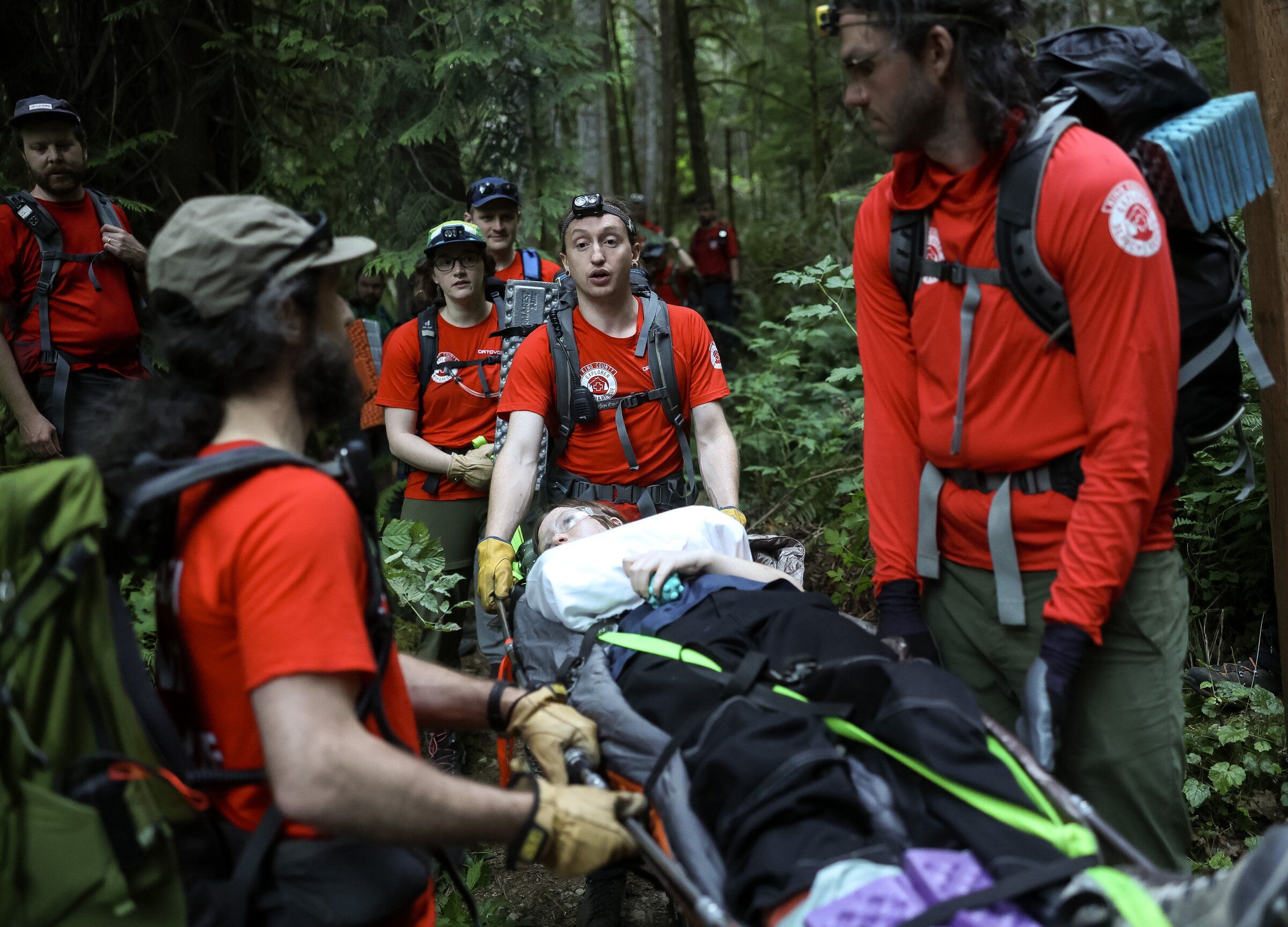
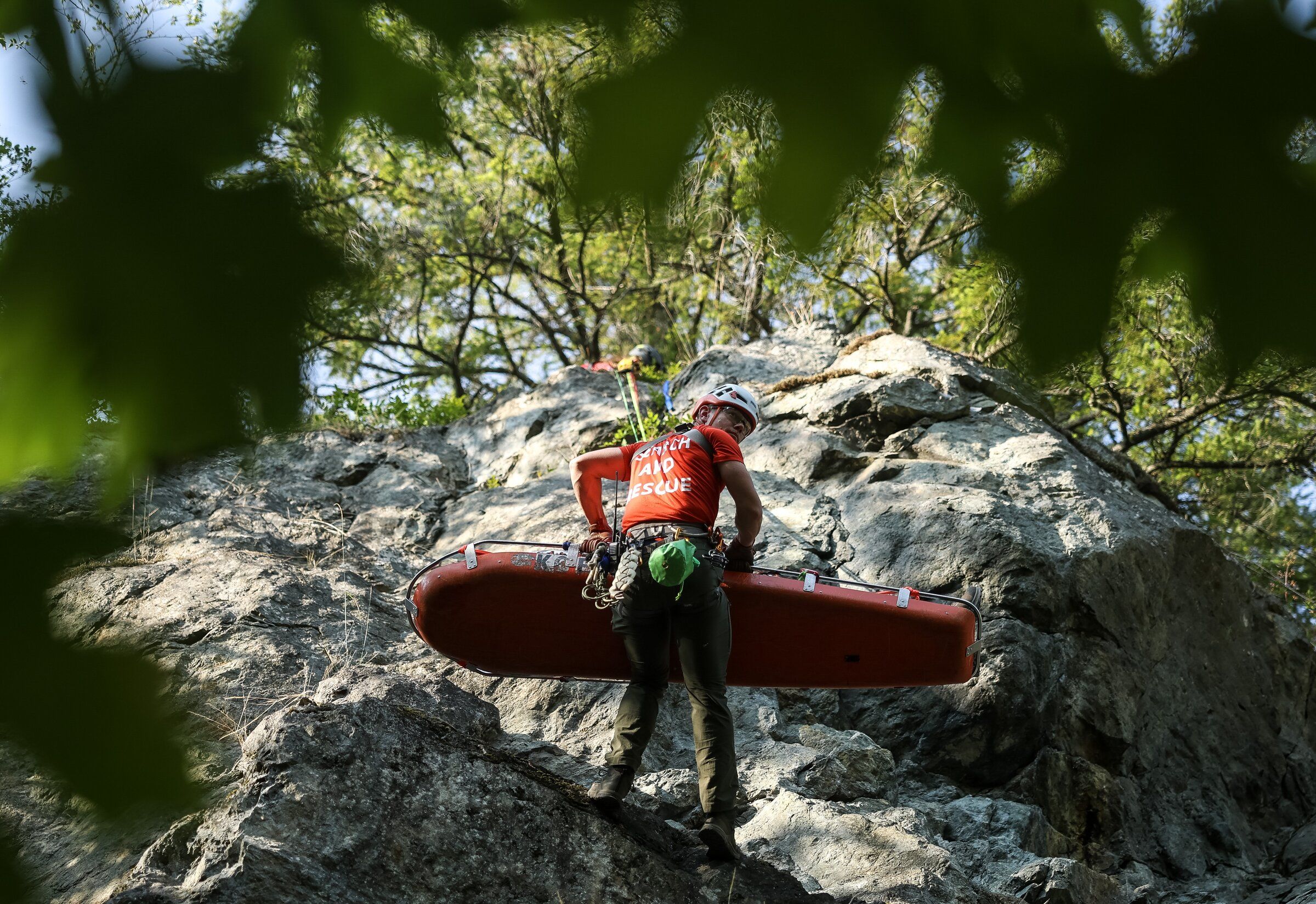
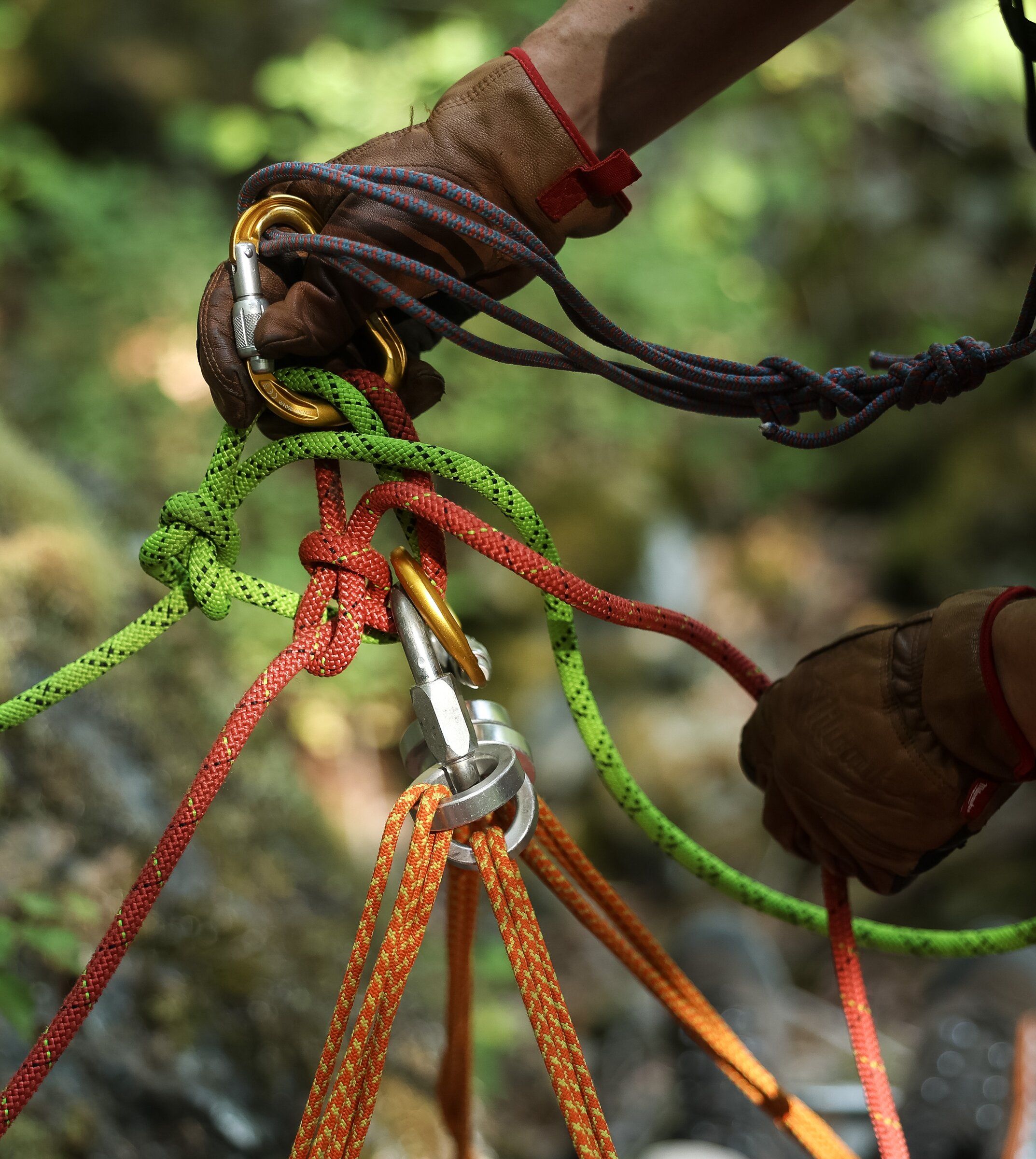
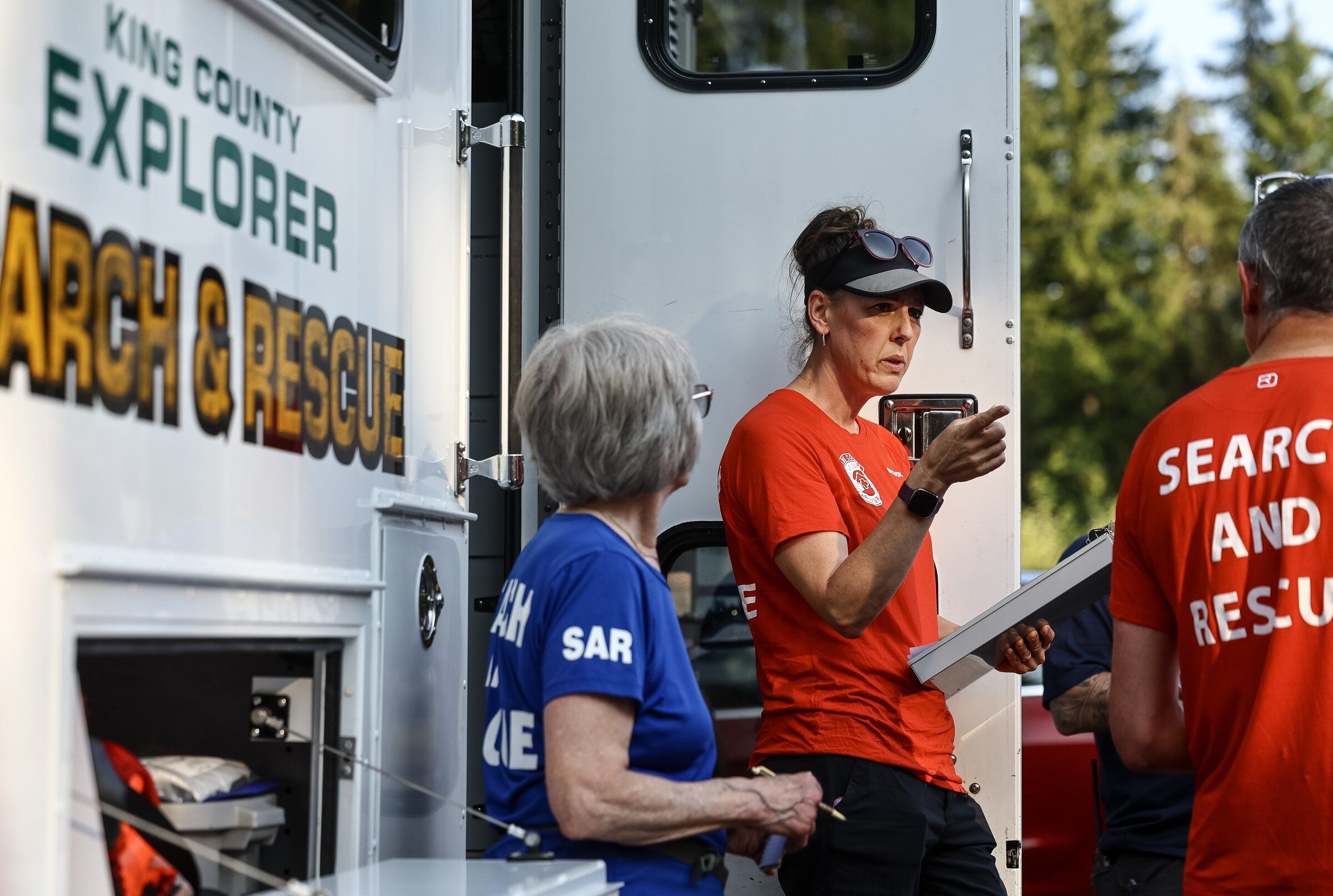
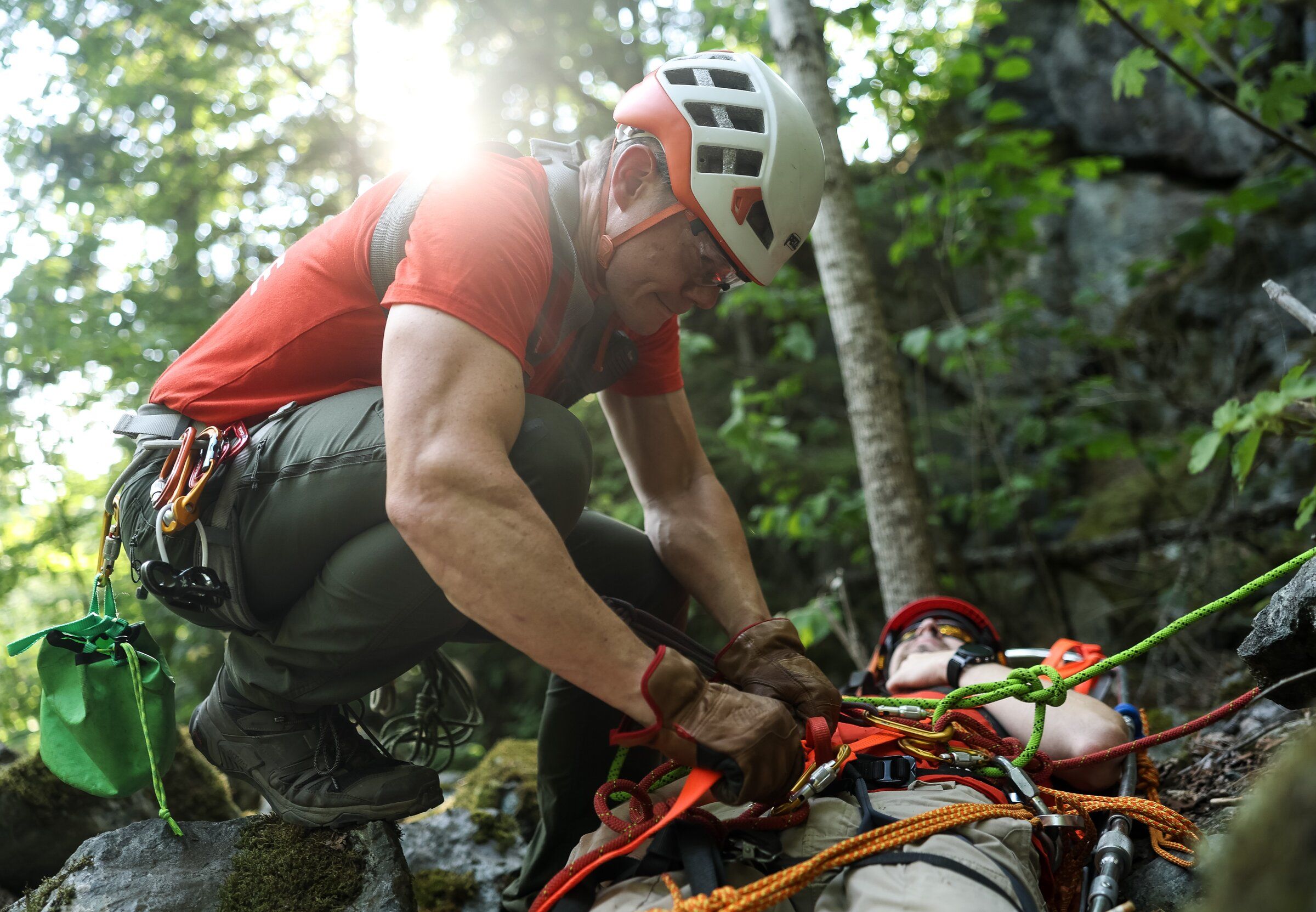
At the foot of Mount Teneriffe, volunteers from the King County Search and Rescue Association held a training exercise. A 14-year-old participant portrayed an injured hiker: rescuers carried her in a folding litter to the command post, where medics treated injuries to her wrist and ankle. At the same time, teams practiced lowering and raising people on a 70-meter cliff, working with litters, using radios and coordinating groups.
The association brings together seven specialized units and 556 active volunteers, ranging from teenagers to retirees. They search for missing people, rescue injured hikers, recover human remains, assist police in examining crime scenes, and transport people and equipment during natural disasters. King County, the busiest county in Washington state by the number of such operations, saw volunteers participate in 164 callouts last year.
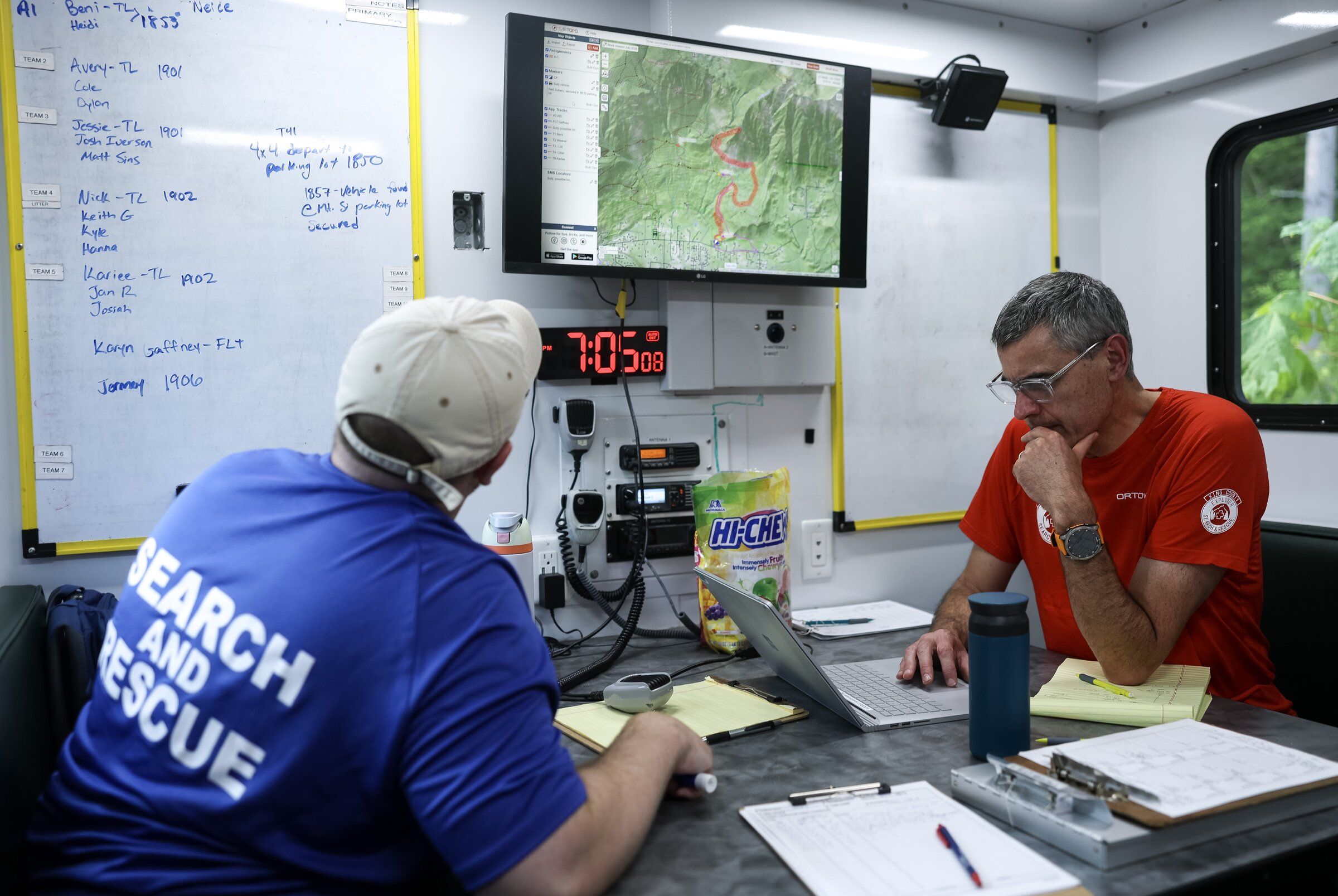
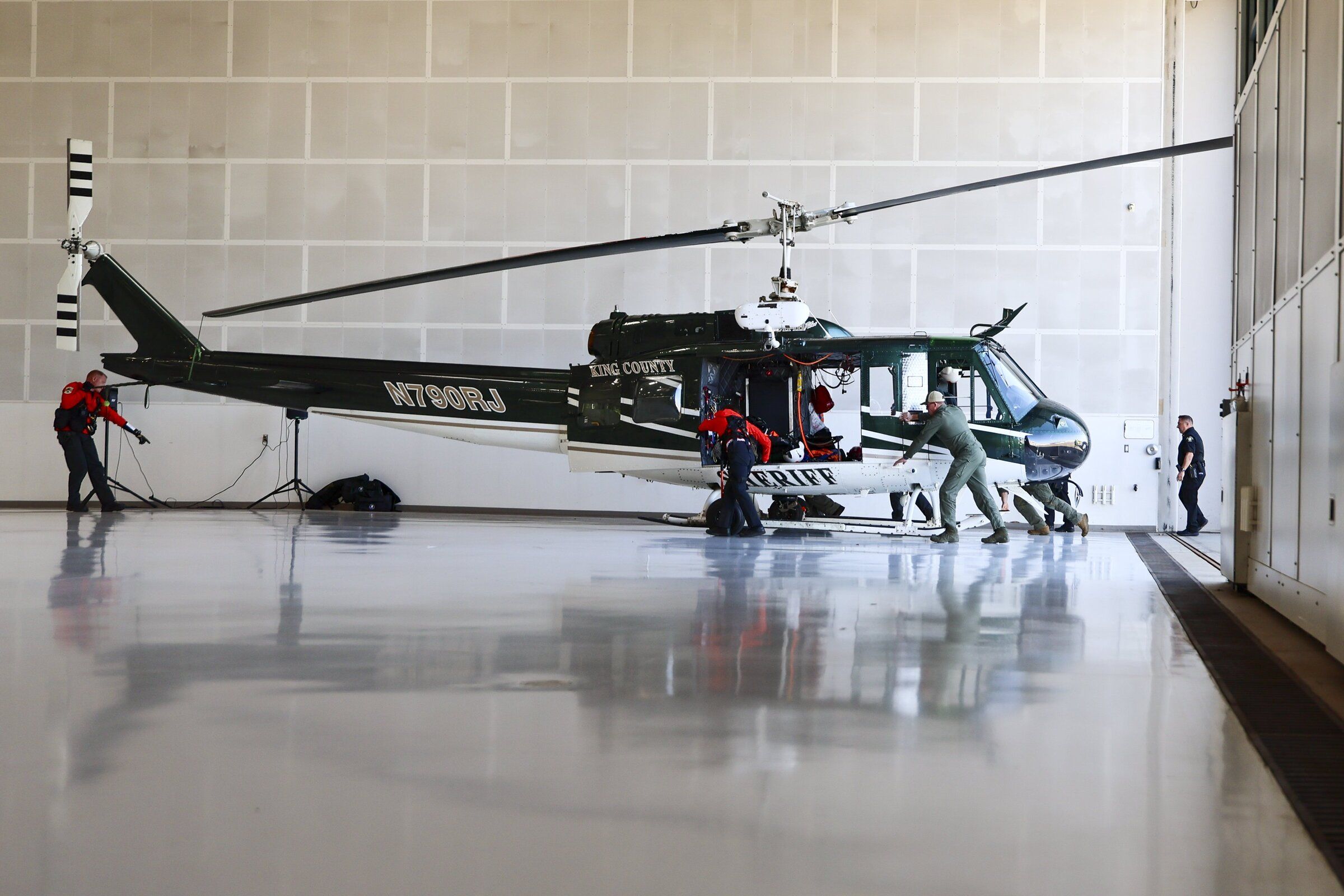
During operations, volunteers typically carry out the main practical work in the field: navigating with maps, conducting ground and water searches, providing first aid and using specialized equipment. Full-time sheriff’s office employees coordinate the response and are responsible for official command, safety, communication with other agencies and legally significant decisions. In this way, the association works in partnership with the sheriff rather than replacing the sheriff’s office.
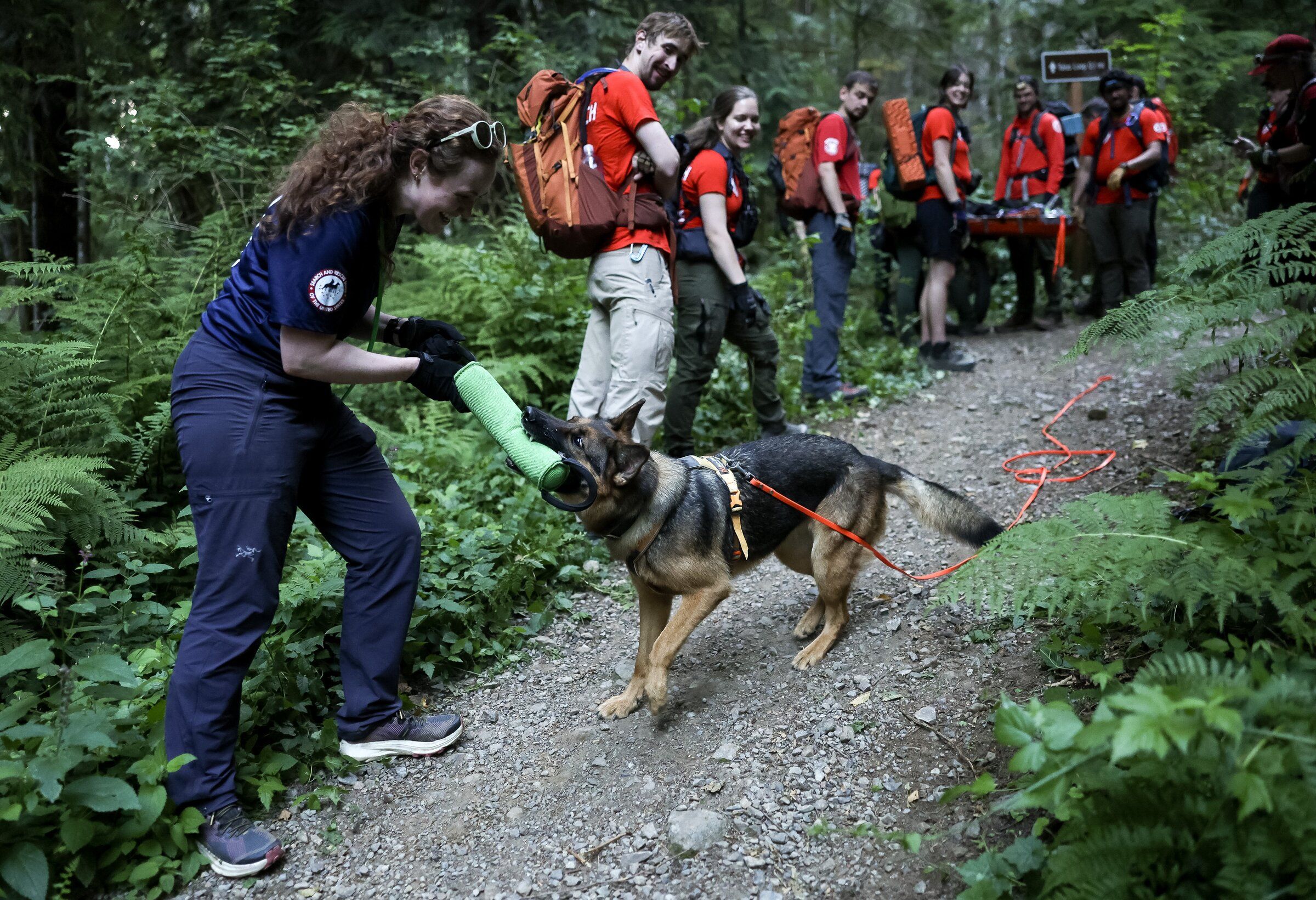
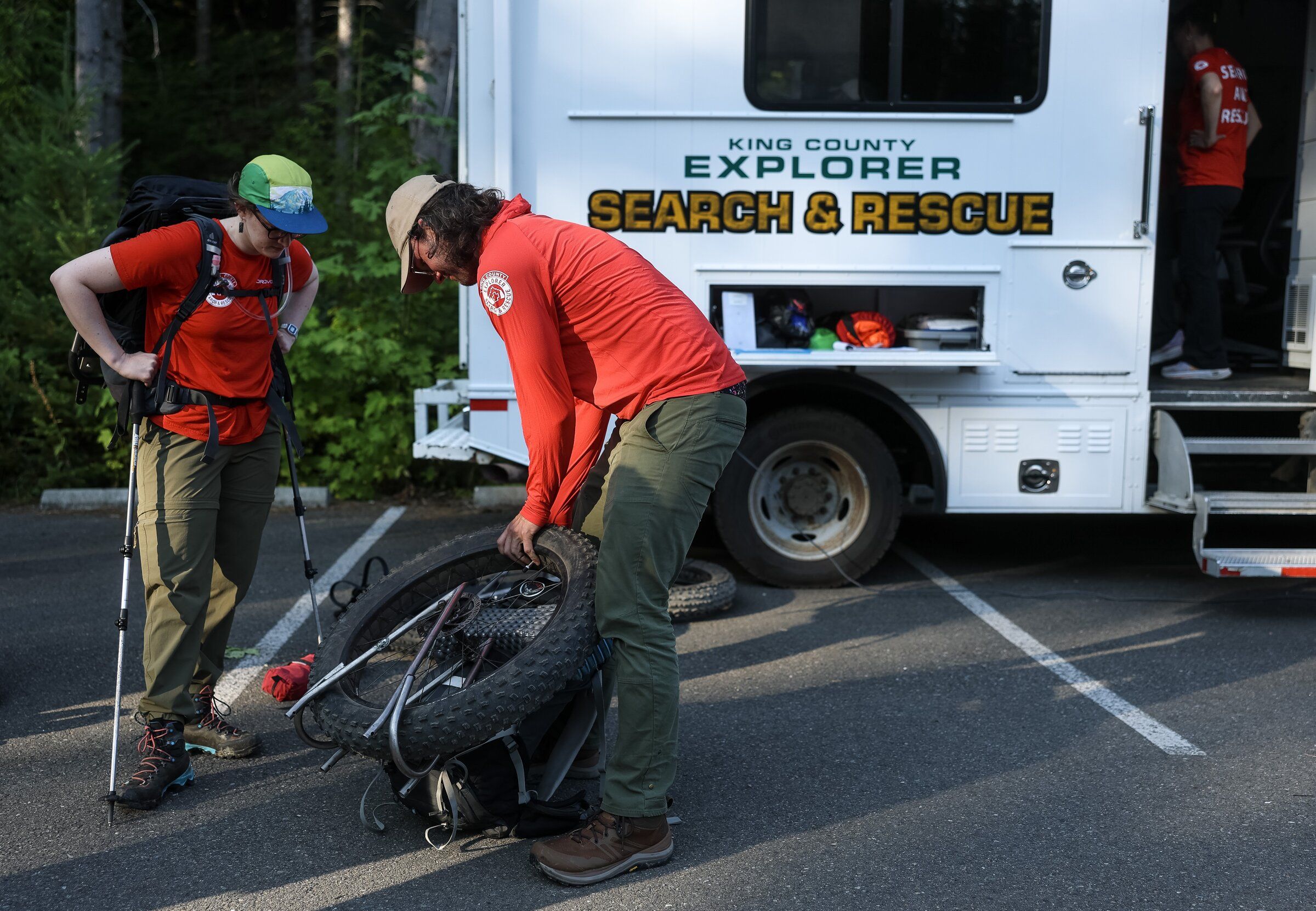
The units perform different tasks: ground teams work in forests, mountain rescuers operate on challenging terrain, canine teams track people and search for remains, and specialists using all-terrain vehicles, snowmobiles, motorcycles and drones provide access to remote areas. Separate teams provide medical assistance in the mountains and manage the incident command post. The volunteers’ assistance is free to the public, although members often pay for their own gear and specialized equipment.
The organization, which has existed for more than 60 years, has an annual budget of about $650,000. Since 2020, approximately $200,000 per year has come from a special voter-approved local parks levy in King County. These restricted funds cannot be freely redirected to other budget categories; they are used, among other things, to purchase equipment, provide training, maintain vehicles and cover the operating costs of search-and-rescue work. The rest of the funding comes from grants and donations.
Association leader Carrie Lee Gagnon is working to secure stable funding and establish a permanent base. Sheriff’s representatives emphasize that volunteers are ready to respond immediately at any time. Modern phones and GPS have sped up searches, although route information available online sometimes encourages unprepared people to venture into dangerous places.
The volunteers are brought together not only by a sense of duty, but also by camaraderie, physical challenges and the desire to bring people home safely. For many, the work becomes a second job—and a habit that is difficult to give up.
Based on: For King County search-and-rescue volunteers, saving lives is an addiction