A digest of Seattle’s main stories: the city’s coffee culture, the Seahawks’ change of ownership and the Patriots’ preparations for the sonic hell of Lumen Field.
Seattle: America’s Coffee Capital, Where the Green Siren Isn’t Everything
Seattle rightly holds the title of coffee capital of the United States, but focusing exclusively on the world-famous green siren means missing the most interesting part. The city that gave the world latte art and the specialty-coffee industry is sustained not only by giants, but also by thousands of independent roasters and cozy cafés that keep locals energized through both endless summer days and drizzly winter evenings. These small coffee shops shape Seattle’s true character, and they are exactly what travelers seeking authentic flavor should look for.
If you arrive in Seattle as a pilgrim hoping to experience the roots of modern coffee culture, your route should begin at the legendary Espresso Vivace. It was here, in the early 1990s, that the art of drawing patterns in milk foam—the same art now seen in every self-respecting café around the world—was born. The owner, David Schomer, an engineer by training, approached espresso preparation with scientific precision, experimenting with temperature, pressure and grind size. The result of his work is still considered a benchmark. Thick, velvety crema, a perfect balance of acidity and sweetness, and a finely crafted rosetta on the surface—everything here has been perfected. Stop by on a weekday morning and you will see a line of locals patiently waiting for their ritual. What better recommendation could there be?
For those who want to stay on the cutting edge, there is Slow Day Coffee. This is not merely a café, but a true flavor laboratory, where roasters work with microlots—tiny batches of beans from specific farms, sometimes even from individual sections of a single plantation. You will not find a conventional menu of cappuccinos and lattes here, at least not in the usual sense. Instead, the barista will offer filter coffee prepared according to special recipes designed to reveal the terroir and distinctive notes of each variety. This is no longer simply a drink for staying awake, but a tasting experience akin to wine. Be prepared to pay more for a cup than the city average, but the flavor journey will be entirely different.
Still, Seattle would not be Seattle without its relaxed atmosphere, and there is room here for establishments where coffee shares space with bicycles and repair stands. A vivid example is Peloton Bicycle Shop & Cafe, where you can drink an excellent Americano and eat an egg sandwich while your two-wheeled companion gets new brake pads. This combination is not merely a marketing gimmick, but a reflection of the local way of life: Seattleites are used to combining pleasure with practicality, and coffee is an inseparable part of everyday life, whether they are out walking, working or pursuing a hobby.
It is worth noting that competition in Seattle is fierce, and only those who truly brew coffee at the highest level survive here. Locals are genuine connoisseurs. They understand the origin of beans, roast levels and extraction methods no less well than professional baristas. So when it comes to choosing a place, they vote with their feet, and the lines at Espresso Vivace and Slow Day Coffee are the best evidence. Travelers should remember that Seattle is not only Pike Place Market and the Space Needle. It is also the city that taught America how to drink proper coffee.
For a fuller immersion in the city’s atmosphere, be sure to explore Capitol Hill, which has the highest concentration of independent coffee shops per square mile, or the industrial neighborhoods of Fremont, where roasters often host public tastings. It is important to understand, however, that this list from Condé Nast Traveler is only a starting point. The truly best coffee can be found in the most unexpected places, simply by following the aroma drifting from an open door. But if you want guaranteed enjoyment and benchmark quality, start with these ten establishments recommended by the authoritative publication. And remember: in Seattle, there is no bad coffee—only good, excellent and outstanding coffee.
One especially noteworthy fact is that Seattle’s coffee culture was shaped over decades. The first café of the future global empire opened here in 1971, but independent players such as Espresso Vivace set the city on its path toward quality. Today, dozens of micro-roasters operate in the city, supplying fresh beans to restaurants and cafés throughout the West Coast. The economic impact of the coffee industry on the region is difficult to overstate: thousands of jobs, a steady flow of tourists and local pride. When you drink coffee in Seattle, you become part of a more-than-half-century history begun by enthusiasts and continued by a new generation of creative entrepreneurs.
The Seahawks’ New Owners: How Seattle Said Goodbye to Its Teams—and What It Says About Change to Come
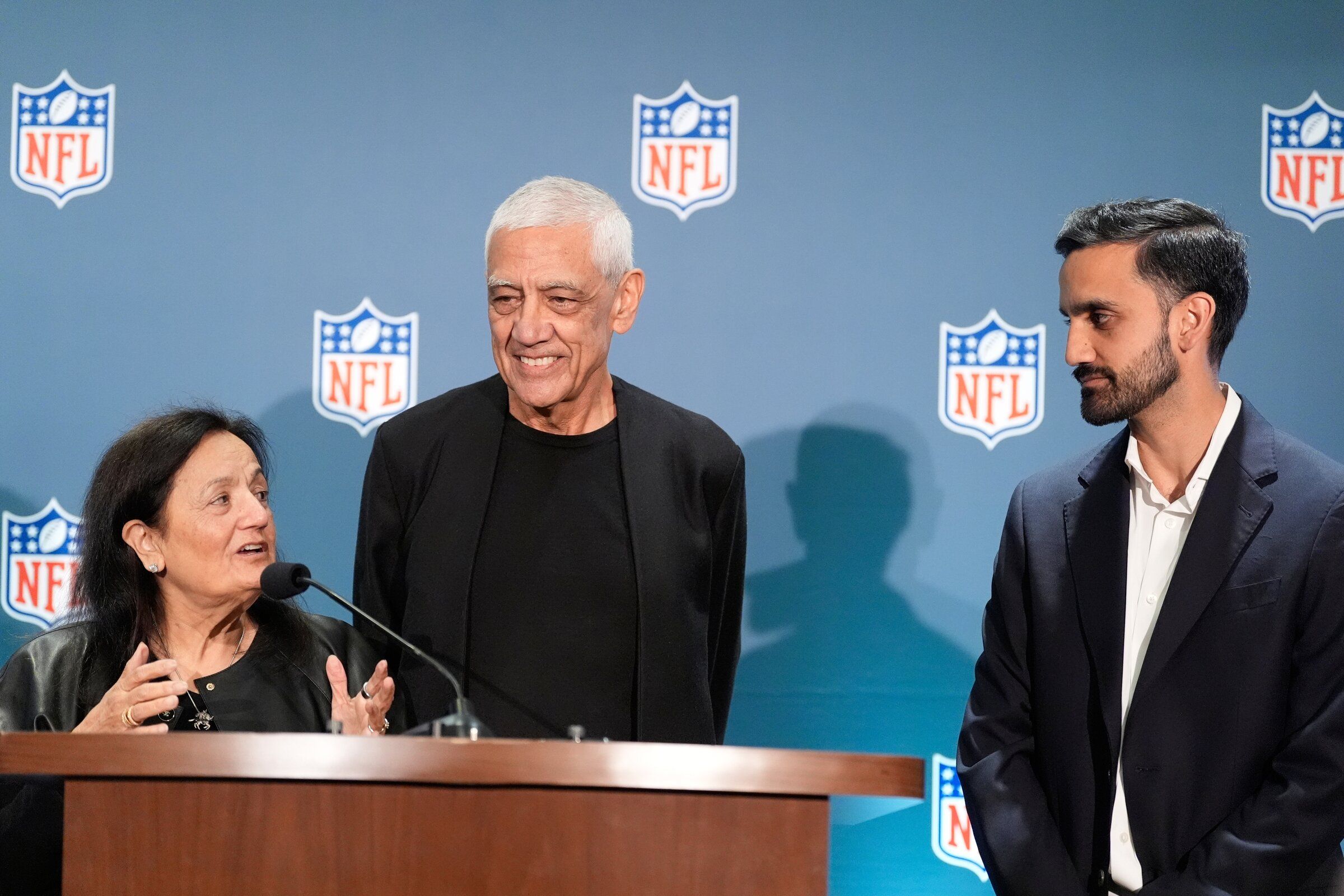
The upcoming press conference of the Seattle Seahawks’ new owners, the Koh family, is prompting fans to recall uneasily that the first words of new owners often prove prophetic, though not necessarily in the way they would like. Seattle’s sports history is full of examples of attractive promises colliding with harsh reality. Now the city is holding its breath once again, wondering whether this moment will become another painful reminder that, in professional sports, loyalty is merely a business variable. Vinod Khosla, the technology billionaire and co-founder of Sun Microsystems, has already given people something to discuss. In his first public comments after the NFL approved the deal, he admitted that he began following football in 1976, after emigrating from India, and that his heart was captured by the Pittsburgh Steelers. To some, this is an innocent nostalgic recollection. But in an era of hyper-sensitive public opinion, even such a remark can be interpreted as a sign that the new owners may not share the local passion.
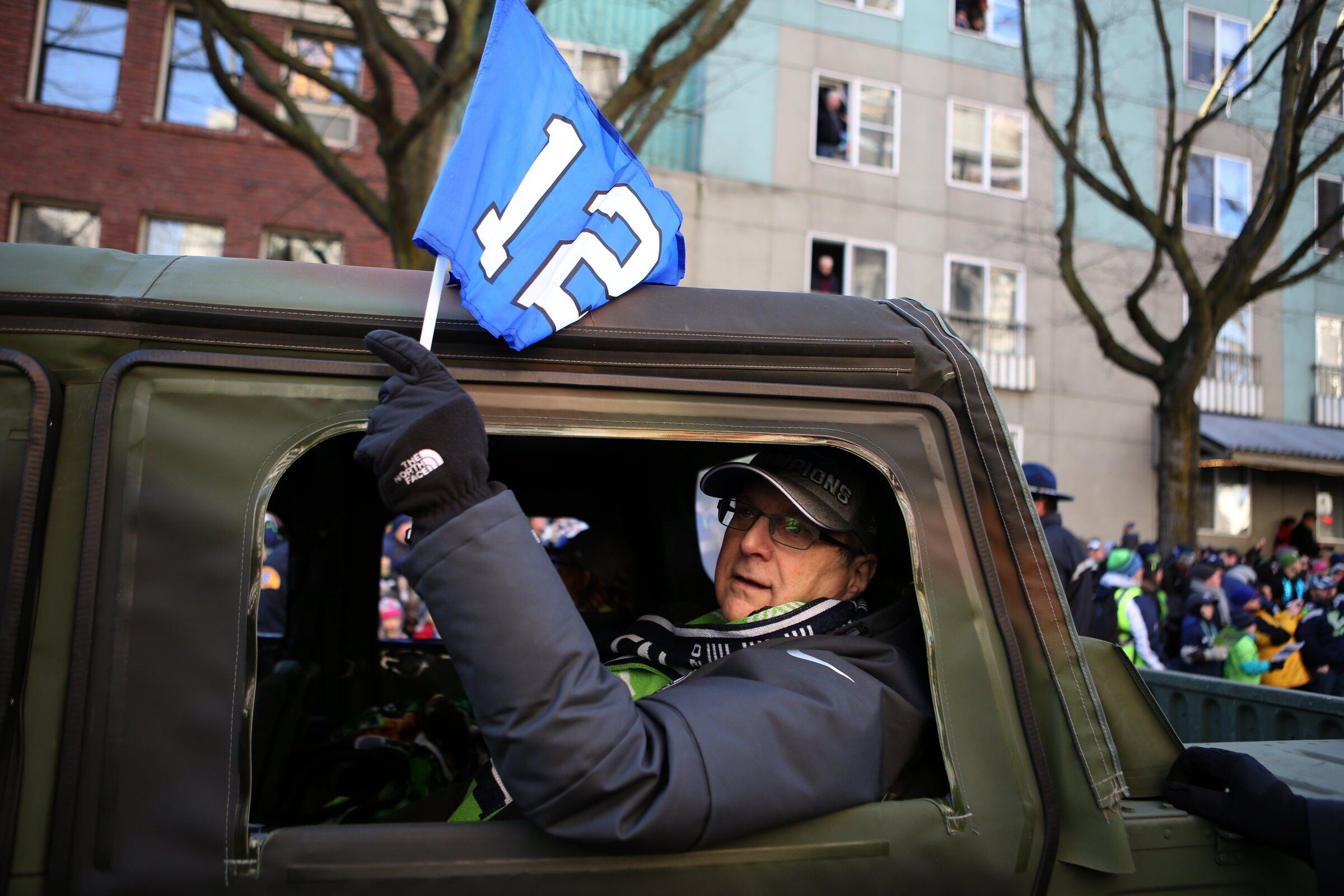
As a Seattle Times columnist notes in an article, nearly every change of ownership in Seattle’s history began with optimistic speeches that later gave way to years of disappointment. Consider the Seahawks’ first official owners, the Nordstrom group led by Lloyd Nordstrom, which paid $16 million for the franchise in 1974. At the time, Herman Sarkowsky, the team’s first chief executive, said they were “living proof of the faith that professional football is viable here.” Yet in 1988, that faith was sold to California developer Ken Behring for $80 million, and his words at the introductory press conference—“Winning is paramount; financial considerations are secondary”—now sound bitterly ironic. Behring tried to move the team to Southern California in the mid-1990s, and only NFL intervention and Paul Allen’s arrival in 1997 saved the club from relocation. Allen spoke then of the importance of keeping the team for the city’s “economy, civic pride and national visibility.” Unlike many of his predecessors, he kept his word, although his $194 million investment had turned into $9.6 billion three decades later.
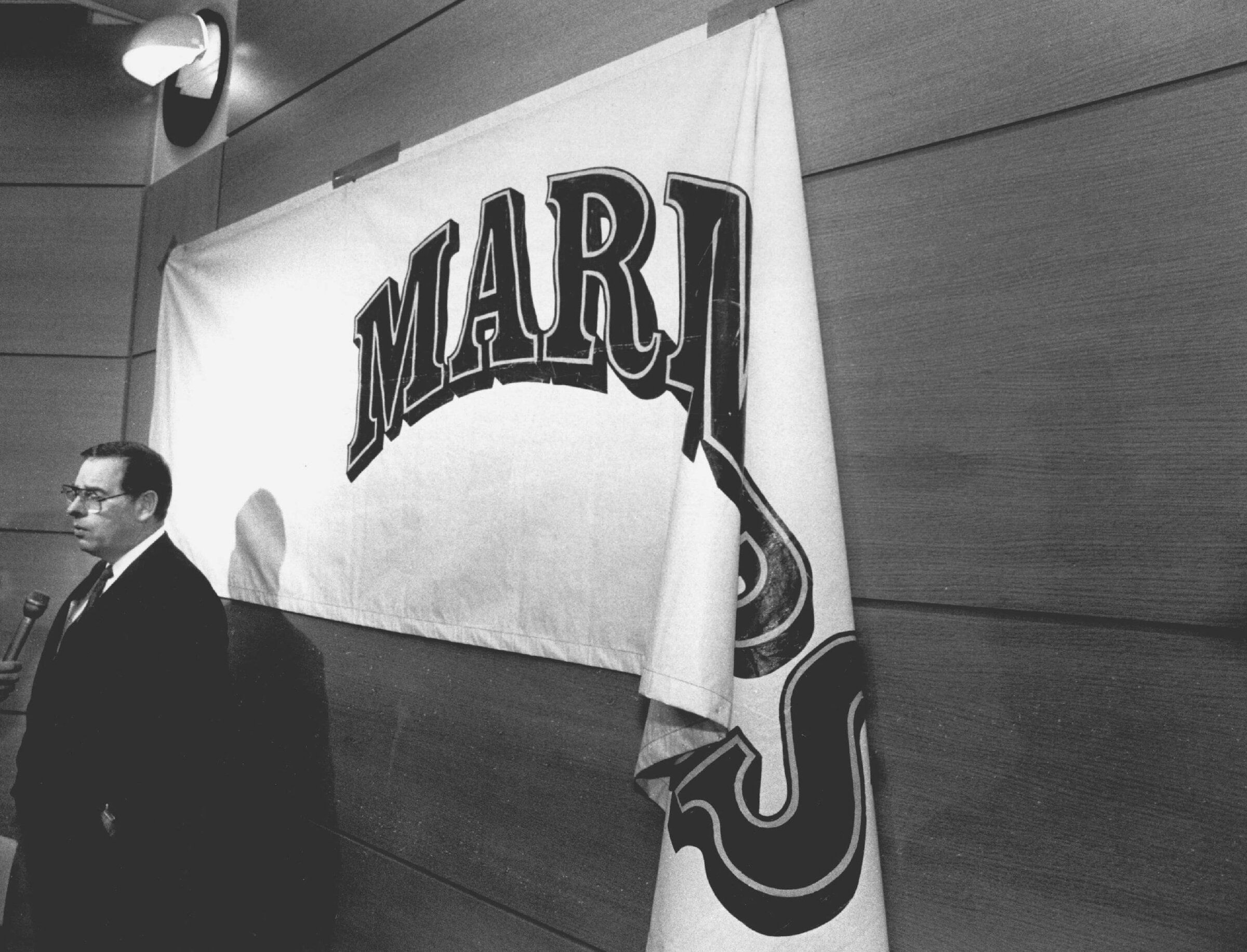
The Mariners’ history is even more instructive. Fans endured a succession of owners who made grand promises and delivered dismal results. George Argyros, who bought the team in 1981, answered a question about his motivation with devastating candor: “A man always wants to know whether he can be successful in more than one field.” His eight years in charge showed that he could not, and in 1989 the team was purchased by Indian businessmen Jeff Smulyan and Michael Browning, who declared that they had “fallen in love with Seattle.” Their love evaporated within three years, and only a deal with Nintendo, which put up $75 million to keep the club in place, prevented the Mariners from moving to another city. The latest owner, John Stanton, promised “a parade celebrating a World Series victory” in 2016. That parade may have come close last season, when the team was one step away from the first championship series in its history. But the lesson remains the same: the new owners’ words are merely an advance payment that may never be honored.
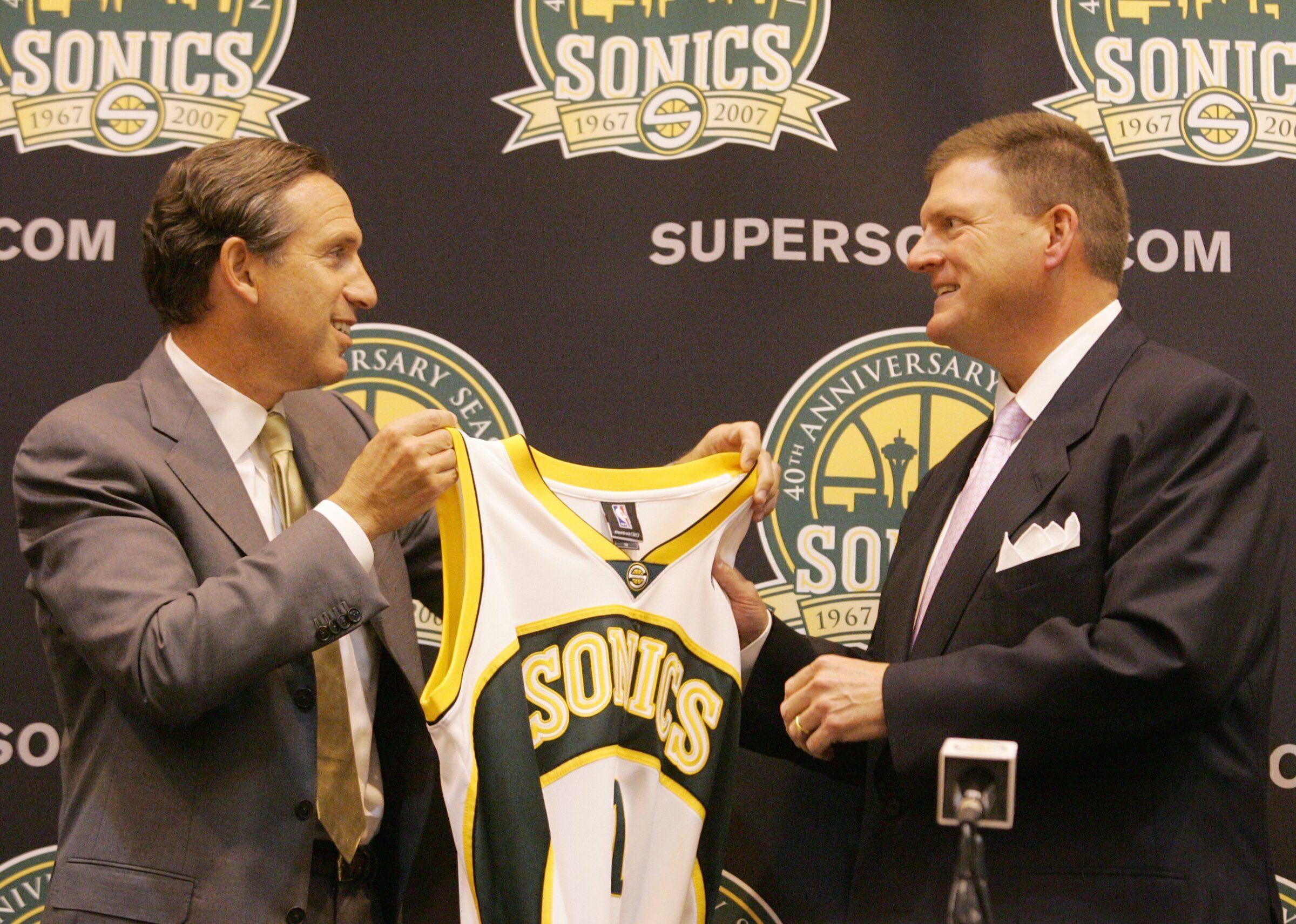
Seattle’s deepest wound is the story of the Sonics, which ended in the most traumatic way. Barry Ackerley, who bought the team in 1983, swore he would preserve “both the team and ownership in Seattle”—and he did, but only until 2001, when he sold the club to Howard Schultz, the founder of Starbucks. Schultz, who said he was buying the Sonics out of a love of basketball and had held season tickets since 1982, promised to learn and support the team. He learned one crucial thing: how to sell an asset profitably. Five years later, he sold the team to Oklahoma City’s Clay Bennett for $350 million—a man who had candidly admitted in an interview with The Seattle Times six months before the deal that he was “keenly interested in bringing the team to Oklahoma City.” Bennett tried to deny the obvious, promising “twelve months of good-faith work” on an agreement for a new arena. But the outcome is well known: the Sonics moved, and the city has never forgiven that betrayal.
Now the Koh family, which reportedly paid around $6 billion for the most expensive club in NFL history, will step before the microphones at Lumen Field. Their words will inevitably be compared with those of their predecessors—from Behring’s empty promises to Schultz’s sincere but unfulfilled statements. Vinod Khosla has already shown that his approach may differ from tradition. He has spoken about football with an engineer’s mind, calling it “the most fascinating technology platform.” But Seattle fans care less about how the new owners view the game in general than about whether the Seahawks will remain a team in which local identity matters more than the franchise’s balance-sheet value. In a city where loyalty is measured in decades of devotion to clubs that have often returned only part of that devotion, every new name on the owner’s plaque inspires both hope and cynical anticipation of a catch. First impressions do matter—but what follows matters even more.
How Boston Is Preparing for the Hell of Lumen Field: Silence as a Weapon
In American football, few challenges compare with the one awaiting the New England Patriots in their season opener against the Seattle Seahawks. It is not only about the opponent’s quality, but also about the “12th Man”—the fans who turn Lumen Field into a genuine sonic trap. For the visiting team, this means one thing: familiar verbal communication at the line of scrimmage stops working, and composure, precise gestures and, of course, the silent count become essential. That is the approach the Patriots’ coaching staff is relying on, understanding that the team’s ability to handle this challenge will largely determine the outcome of the entire game.
Preparation for this acoustic nightmare began long before the flight to Seattle. At the training facility in Foxborough, coach Mike Vrabel, acting like a conductor of an orchestra of chaos, gave the sound engineers their cue, and they turned the music up to maximum volume. At times, vintage Mötley Crüe thundered from the speakers—not merely for atmosphere, but to simulate the inhuman decibel levels that would descend on the players at Seattle’s stadium. New England special teams coordinator Jeremy Springer, who knows the atmosphere firsthand from his time with the Los Angeles Rams and annual visits to face a fierce rival, makes no secret of his respect for the local crowd. He describes the environment in a few concise words: “Loud. Really loud. The fans there are tremendous; they love their team.” Springer clearly remembers how, in 2005, that wall of sound caused the New York Giants to commit 11 false starts—a record that still inspires awe. To him, the upcoming game is not simply a match, but an opportunity to test his young team’s character under extreme conditions. He calls it “an incredible experience,” but behind that optimism lies a harsh reality: taking the crowd out of the game is the top priority.
The key to solving this problem will be the so-called silent count, which quarterback Drake Maye says he used in every road game last season. Maye, radiating confidence, believes the team has “a good handle” on this aspect. He notes that operating in silence has its advantages and disadvantages, but the main thing is consistent repetition in practice. In the quarterback’s view, Vrabel and his staff have done an enormous amount of work to prepare the team. Now the players’ task is to avoid unnecessary penalties and maintain positive momentum on offense. However, it is not as simple as it may initially appear. The problem is compounded by individual battles along the line, especially at tackle. Will Campbell and Morgan Moses are in a particularly difficult position: because of the noise, they must react to the movement of the ball rather than the quarterback’s voice. Maye understands their difficulties. They have to watch a dangerous outside rusher while also trying to catch the precise moment of the snap, without being able to move too early.
If the linemen have a difficult job, the silent count becomes a genuine cognitive test for receivers and running backs. They must line up, memorize their routes, monitor possible shifts and still keep their eyes on the ball. Maye jokes that saying “just watch the ball” is easy, but in practice it requires enormous concentration and the ability to process many inputs at once. Receiver A.J. Brown develops the same point, emphasizing that under these conditions the opponent across the line gains an additional advantage by trying to confuse players and provoke a false start. Still, he notes that the offense has its own weapons to rely on. Ultimately, as quarterbacks coach Ashton Grant summarizes, everything comes down to synchronization and mutual understanding. Normally, a team communicates by voice, but when shouting is swallowed by the roar of the stands, alternative methods of conveying information—gestures, eye contact and coded signals—become many times more important. That silent cohesion will be the Patriots’ main weapon as they try to emerge victorious from the sonic inferno.
You may be interested in learning more about the team’s preparation from this Boston Globe article, which formed the basis of this analysis. Its author, Christopher Price, examines in detail the tactical nuances that could prove decisive in this matchup.