
The Seattle City Council voted unanimously, 9-0, to impose a one-year moratorium on the construction of new large data centers. The decision comes amid a severe electricity shortage in the city: data centers consume huge amounts of power, straining the local grid and threatening the reliability of power for homes and small businesses. Mayor Jenny Durkan, who earlier said she would support a ban after proposals for five large data centers emerged in April, has pledged to sign the measure.
Seattle has joined more than 70 cities and counties nationwide that have already enacted temporary or permanent restrictions on data centers. These include Denver, New Orleans and Minneapolis. In addition, New York could become the first state to ban the construction of large data centers if Governor Kathy Hochul signs a bill passed by the state legislature last week.
Seattle’s moratorium applies to centers consuming more than 20 megavolt-amperes (about 20 megawatts), with the ban potentially extendable for another six months. The council also passed a separate ordinance directing a study of data centers’ impacts on the city’s power grids, water use, utility rates, land use, employment and public health.
At public hearings, 52 people spoke in favor of the moratorium and none spoke in defense of data centers. Council members expressed serious concerns. “If the technology isn’t benefiting all of us, we don’t need it,” said councilmember Eddie Lin, one of the ordinance’s sponsors. His colleague Debora Juarez went further: “I would like to fully stop AI and data centers.”
Councilmember Alexes Merced Rink emphasized that the city must act before residents begin to pay the price for the industry’s massive energy and water consumption. “We have a moral obligation to put the well-being of residents, the climate and our future above the profits of tech billionaires,” she said. Former councilmember Kshama Sawant, who is running for the U.S. House of Representatives, called AI “a central component of genocide, wars, surveillance, mass layoffs and the climate crisis.”
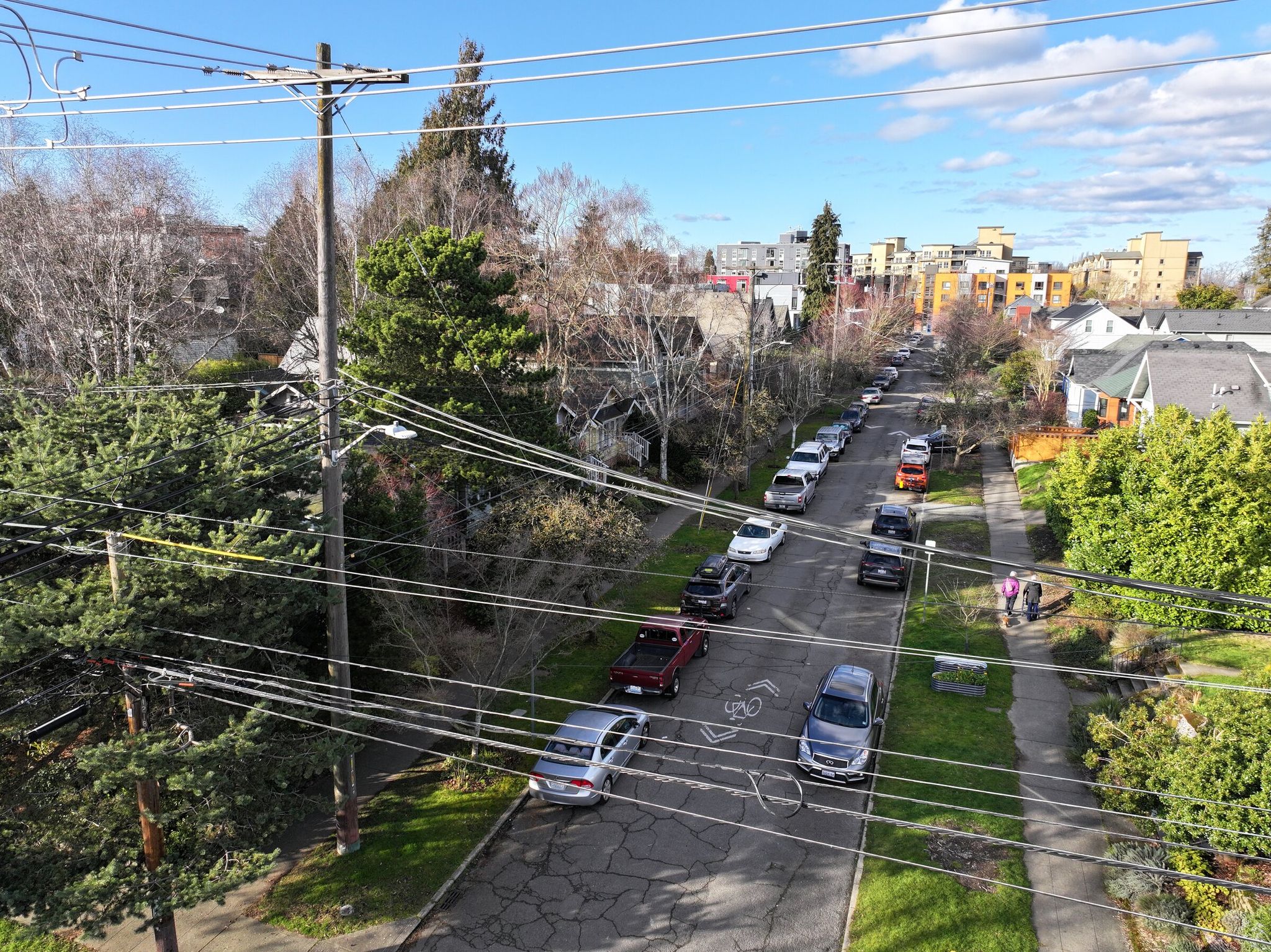
Representatives of the tech industry did not testify at the hearings, though councilmembers mentioned private consultations. In April, the Seattle Times reported that four companies had approached the municipal utility Seattle City Light with plans to build five large data centers totaling 369 megawatts — about one-third of the city’s average daily power consumption. Municipal ownership of Seattle City Light, which runs Seattle’s power system, gives the city direct control over power distribution: it can limit connections for new data centers, set rates or impose moratoria without relying on private companies. The city’s existing 30 data centers are relatively small.
Since the controversy began, several developers have withdrawn their proposals. North of Seattle, in Skagit County, officials also enacted a six-month moratorium. In February, the Washington State House passed a bill requiring large data centers to pay for grid upgrades, disclose consumption data and meet environmental standards, but it failed in the Senate after heavy lobbying from tech industry groups representing companies like Microsoft, Amazon and Google. Industry groups argued that strict limits would harm economic growth and jobs, and lawmakers disagreed on how to regulate energy use without driving away business.
Based on: Seattle passes moratorium on new data centers amid national backlash