
After weeks of anxious waiting, Seattle’s education workers’ union approved a three-year agreement with Seattle Public Schools, formalizing the compromise that allowed the school year to begin without a strike on the night of Sept. 2. About 89% of teachers and paraprofessionals voted in favor, while support among clerical employees reached 96%. The agreement must now be approved by the district’s school board.
In the first days of September, the fate of classes for tens of thousands of families was decided almost by the hour. The previous contract expired Aug. 31, and negotiations that had begun in June continued until the evening before the first day of school. On Aug. 27, 91% of Seattle Education Association members — the state’s largest school workers’ organization — authorized a possible strike. That did not automatically halt work, but it gave union negotiators the authority to call one if an agreement could not be reached.
The agreement was reached late on Sept. 1. The next morning, school buses followed their usual routes, and children arrived at more than 100 schools across the district. In Seattle, where memories of the five school days canceled during the 2022 strike have not yet become history, the ordinary start to September was itself the main and most tangible result of the negotiations.
Voting began Friday, Sept. 11, and concluded Tuesday evening. The full text of the new contract and the final pay schedule have not yet been released. However, a union member told KUOW that the agreement provides a 9.8% raise over three years for all employee groups. The district had previously said publicly that pay would increase by 8.8% — 2.6% in the first and third years and 3.6% in the second — in addition to annual experience-based increases for those eligible to receive them.
Money was only one part of the dispute, although an important one. Superintendent Ben Shuldiner repeatedly emphasized during negotiations that the district faces difficult financial conditions and will need to close a deficit of about $87 million. According to the district, the agreement also includes future contributions to VEBA medical savings accounts, higher stipends for teacher mentors in schools and a reduction in the number of required all-school meetings, from weekly to three per month. The last detail may sound technical, but for teachers it restores time that is usually swallowed up by lesson preparation, grading and conversations with parents.
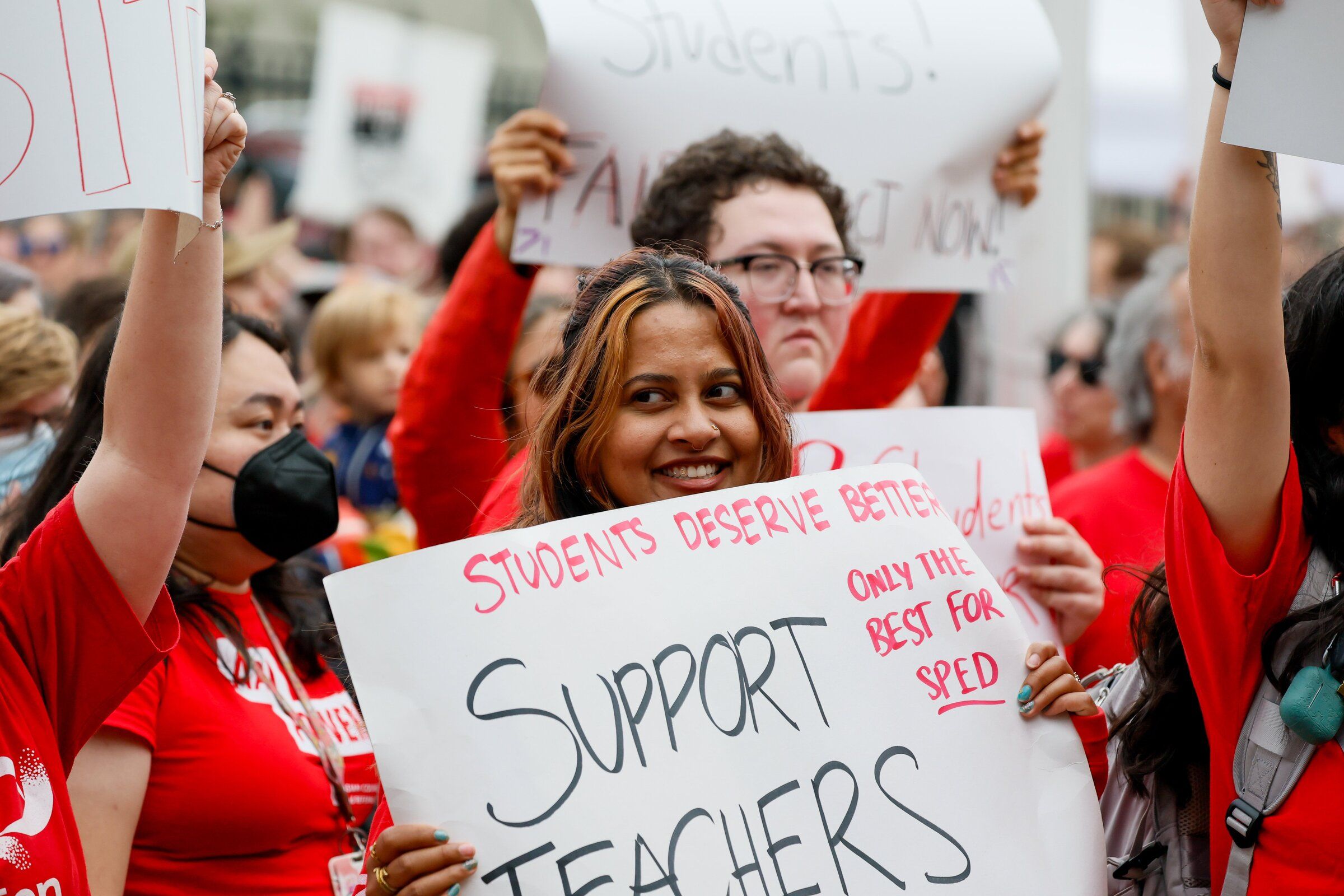
The most sensitive issue was special education. About 16% of Seattle Public Schools students receive special education services, and the district sought a more flexible model in which support would more often be provided at students’ neighborhood schools rather than tied to a separate program or location. The compromise calls for a pilot project in the third year of the contract, new school psychologist positions and additional roles for specialists and paraprofessionals working with students’ behavioral, social and academic challenges. For families, this means the most controversial proposal has not disappeared, but neither will it be implemented citywide immediately.
The tense negotiating season now moves into a less dramatic but no less important phase: implementation. The school board could consider the agreement as early as Sept. 16. If it approves the contract, Seattle will gain not merely three years of labor peace, but also a test of whether it can retain teachers in the profession, improve support for students with special needs and avoid deepening the financial hole the district has been warning about for years.
Based on: Seattle teachers approve contract that narrowly avoided a strike