
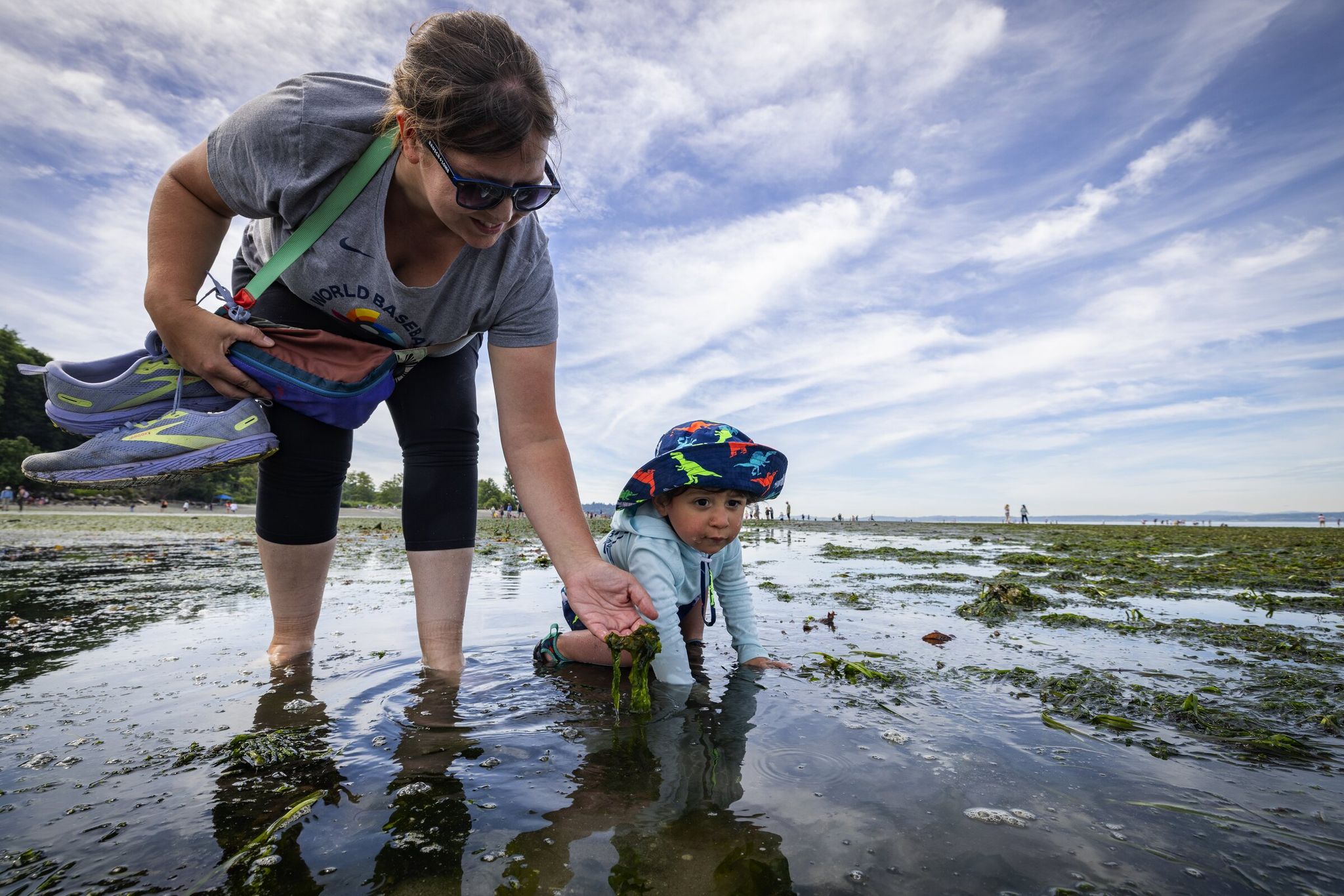
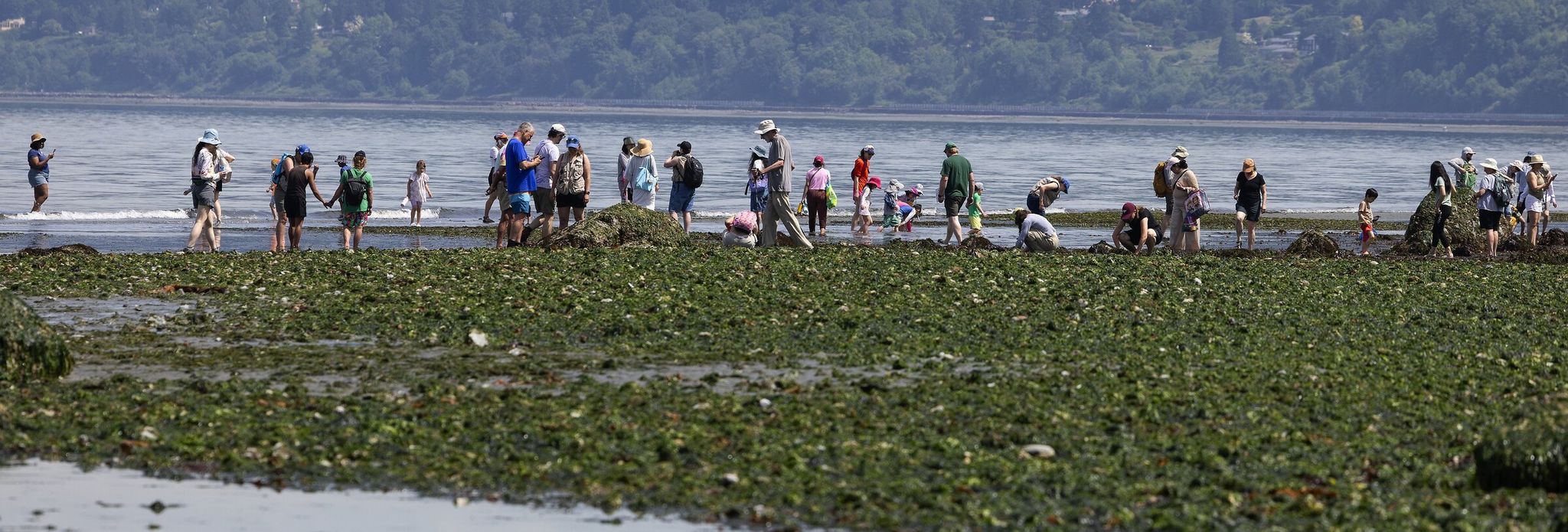
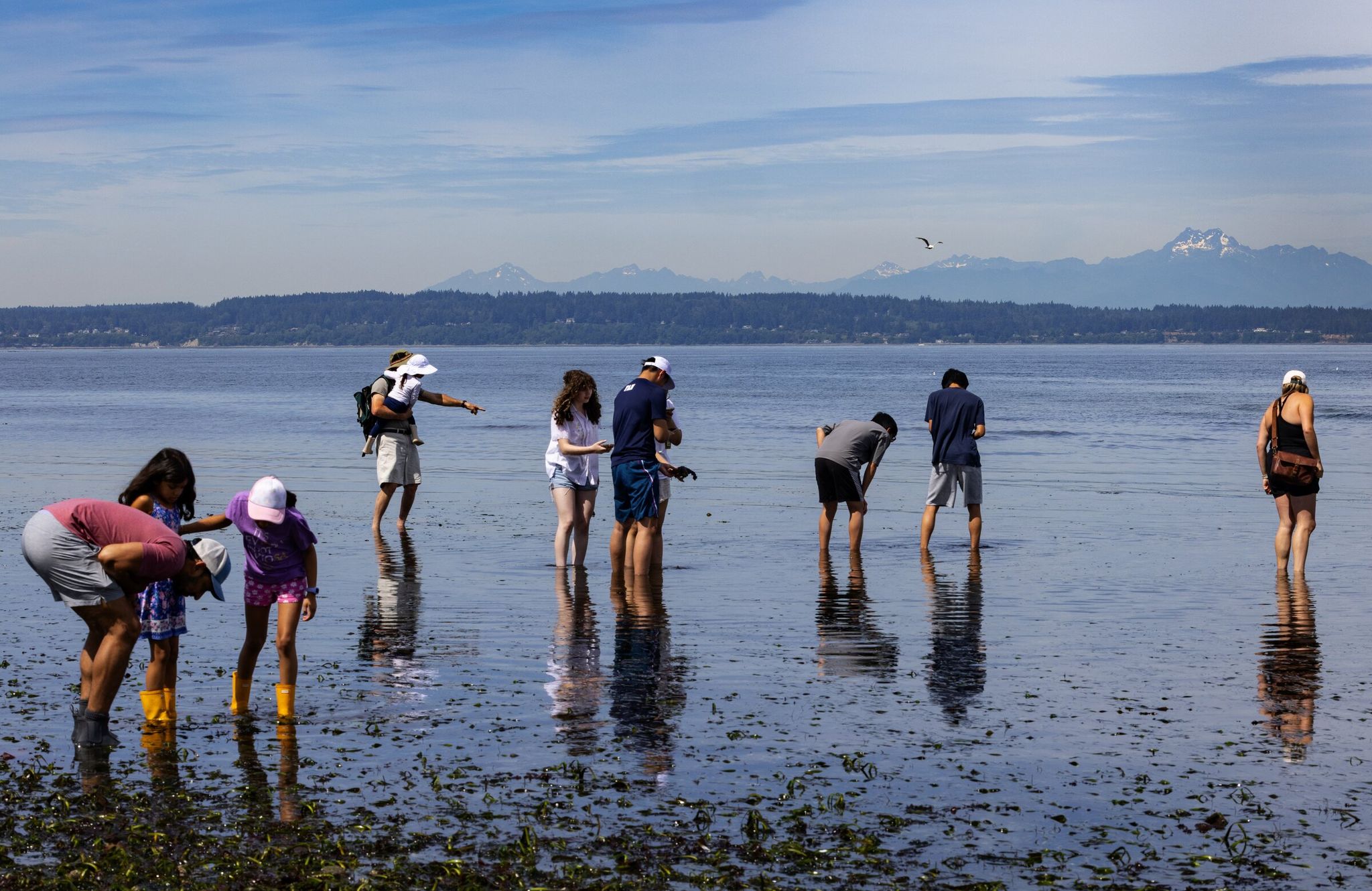
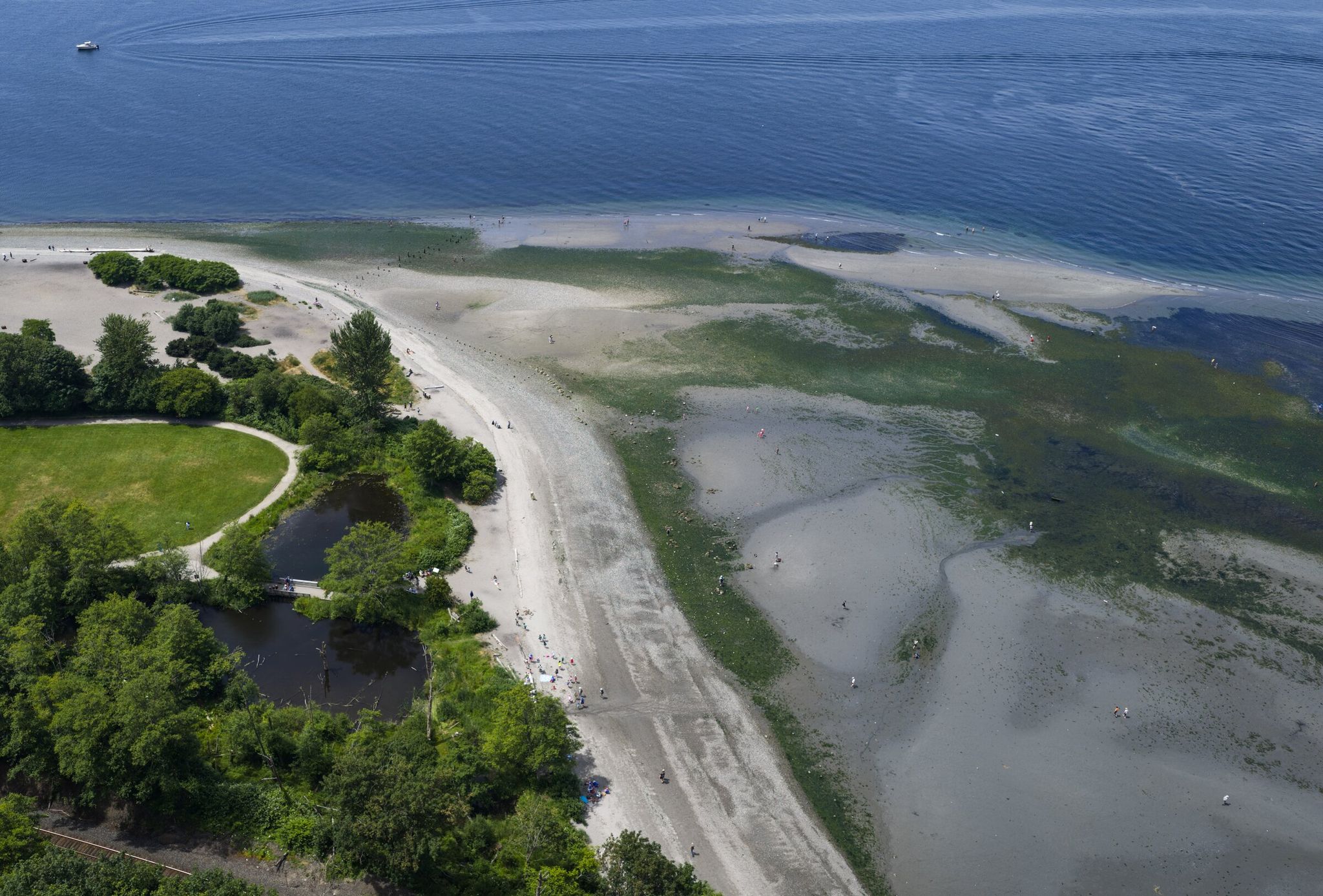
While loud fans gathered at the stadium and at screens on Monday to watch Seattle’s first-ever World Cup match, other city residents headed to the beaches of Puget Sound for tide-pooling — exploring the tidal pools that are exposed when the water pulls back. This popular family and educational activity was especially accessible as tides in Seattle dropped below 4 feet — a level not seen off the city’s shores in four years — revealing a world usually hidden underwater. In the Puget Sound region, which is not an open ocean shore but a deep estuary connected to the Pacific Ocean by the narrow Strait of Juan de Fuca between the Olympic and Vancouver peninsulas, tides are less extreme in height and timing than on the open ocean. Because of this, water enters the sound in a limited way, creating unique “mixed” tidal cycles with two low tides and two high tides per day. For visitors and locals, this week provided a rare chance to see crabs, dazzling sea stars and slow-moving moon snails up close.
Monday and Tuesday were the lowest tides of the year. On the Golden Gardens beach in the historic Ballard neighborhood — once its own town founded by Scandinavian immigrants and long a center of fishing and shipbuilding — sea-life seekers walked well beyond the usual shoreline, picking their way through eelgrass and seaweed. Today Ballard is one of Seattle’s most picturesque neighborhoods with attractions such as the Hiram M. Chittenden Locks with a salmon ladder, the maritime museum and bustling Ballard Avenue with its restaurants and bars. Schools brought children to the shore — Seattle public school students, wrapping up the school year Wednesday, eagerly examined the marine creatures.
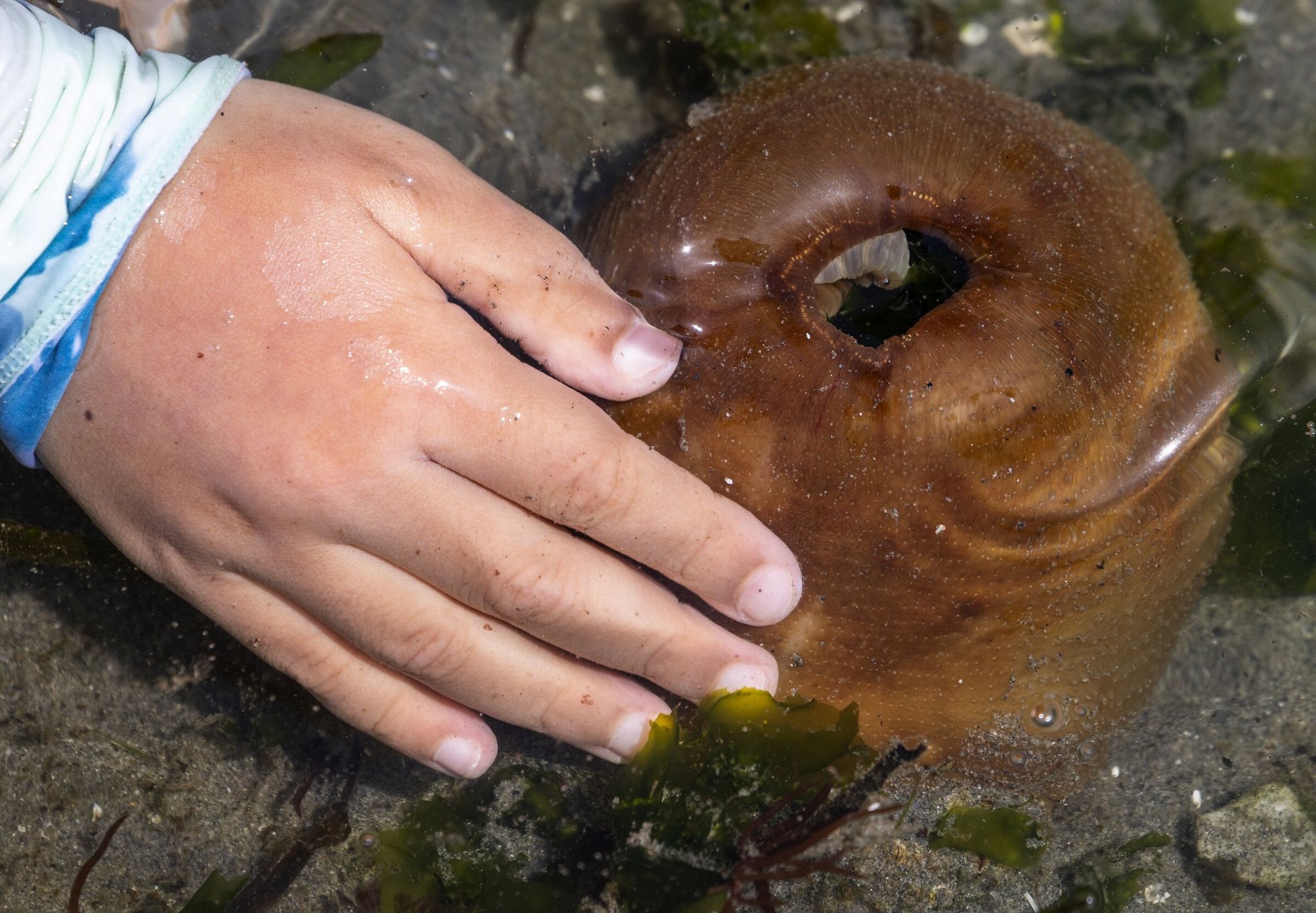
Four-year-old Estelle squatted in a few inches of water, poking a large orange anemone with her finger and using an empty moon snail shell to pour water on it. Nearby lay two purple sea stars. “She really loves the sea anemone,” said her mother, Jennifer Ross. “We’ve been here 40 minutes.” Ross noted the family lives nearby and brings Estelle tide-pooling whenever possible as a free interactive activity. In King County, such beaches rich in sea life — sea stars, anemones, crabs and snails — are especially popular when the water retreats.
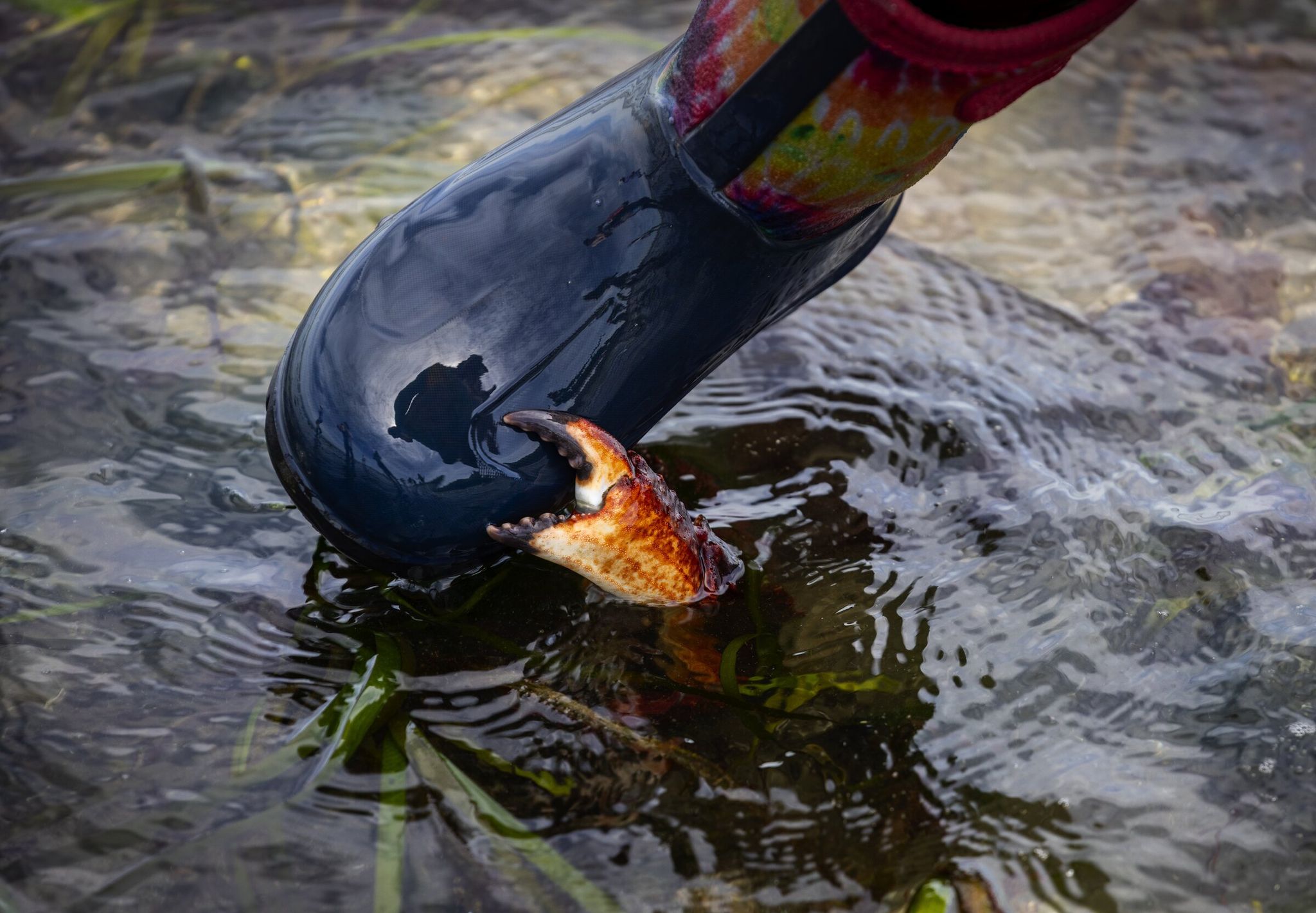
The Seattle Aquarium posted 10 volunteers on the beach who told people about marine life and tide-pooling etiquette: walk carefully — there is life underfoot — and touch gently with one wet finger so as not to disturb wildlife, explained naturalist Jezaal Peraza. One of her colleagues brought a pencil to the beach to show children the dents left by the strong claws of the red rock crab.
A great blue heron flew along the shore hunting fish, and a gull snatched a red rock crab in its beak. Scattered on the sand were dozens of gray egg “collars” of moon snails, each containing half a million eggs, Peraza added. “We connect adults and children with what’s outside their door: these living shores,” she said. “It’s just wonderful.”
There are natural risks to wildlife from tide-pooling: eelgrass is an important habitat for young salmon, and Taylor’s sea hares like to hide in it. Low tides come to Seattle every summer like clockwork, but in 2022 Puget Sound saw its lowest tides in more than a decade — on June 15 that year the level reached -4.28 feet.
If you missed Monday’s low tide, expect another chance: the National Oceanic and Atmospheric Administration estimated the tide would reach -4.3 feet at 12:22 p.m. Tuesday. After Wednesday, low tides will return to Puget Sound in mid-July, but they won’t reach this week’s levels. “It’s a real gift when the tides are low and people get out,” Peraza concluded. “It’s incredible.”
Based on: Seattle’s extremely low tides unveil a world of sea life