In Seattle, a mass shooting occurred at the Bite of Seattle food festival, killing three people. One of the suspects — a 15-year-old teenager — has been detained. The Seattle City Council responded with an official statement calling for comprehensive safety measures. Witnesses describe chaos and panic as the crowd rushed to flee. The incident again raises the issue of gun violence in the United States and the safety of mass events.
Tragedy at Seattle Food Festival: Three Killed in Shooting
A tragedy has struck in Seattle, United States, during the popular Bite of Seattle food festival. According to the BBC, three people were killed in a shooting. Police say two suspects opened fire at each other. One of them — a 15-year-old teenager — has already been detained, while the second, whose identity has not yet been established, authorities believe does not pose a threat to the public.
A short police statement raises many questions. It is unclear what caused the conflict between the two shooters, whether the dead were bystanders or festival participants, and how the minor managed to obtain a weapon. However, the very fact that one of the suspects is a teenager once again brings up the issue of youth involvement in street violence in the United States. The Bite of Seattle festival brings in thousands of visitors every year, and it is usually associated with joy and delicious food, not tragedy.
While law enforcement assures that the second suspect is not dangerous — possibly he was injured or killed himself, or is cooperating with the investigation — the incident serves as a reminder of how quickly a celebration can turn into grief, casting doubt on the effectiveness of safety measures at mass events. For the local community, this is not just a statistic, but the loss of three lives that will leave a lasting scar in the memories of festival attendees.
Tragedy in Seattle: Public Safety Committee Chair’s Statement After Sunday Mass Shooting
On the evening of Sunday, July 27, 2026, during the annual Bite of Seattle food festival at the Seattle Center, a mass shooting took the lives of three people. The Seattle City Council responded with an official statement published on its blog. Councilmember Bob Kettle (District 7), who chairs the Public Safety Committee, delivered a brief but pointed address. In his statement, he called the incident a “deep tragedy” and expressed condolences to the families of those killed and those injured. However, the main emphasis in the text is not on an emotional response, but on a political call to action — Kettle insists on a “comprehensive approach to strengthening public safety” and openly urges Mayor Wilson’s administration to cooperate.
Although the statement is extremely concise (just three sentences), it contains important signals. First, the chair of the safety committee underscores that he will continue to “prioritize and advance this critical work” within his committee. This can be seen as a hint that current measures are not enough and that city officials need to act more decisively. Second, the wording about “Wilson’s administration” points to a certain tension between the City Council and City Hall. Kettle is not merely informing — he nearly demands partnership, using the phrase “strongly urge.” In the context of election campaigning and rising public dissatisfaction with the level of crime, such a statement may be interpreted as an attempt to shift some responsibility onto the executive branch.
It is worth explaining what the “Public Safety Committee” is within the Seattle City Council: it is a standing committee responsible for oversight of the police, fire department, emergency response services, and crime prevention policy. The chair of this committee wields significant influence over the allocation of budget funding and the development of local laws. The mention of a “comprehensive approach” suggests that simply increasing patrols or toughening penalties is not sufficient — it is likely to mean a combination of police measures, social programs, and community work.
Notably, the statement contains no details about the incident itself: the shooter’s motives, the number of people wounded, the police response, or plans for the investigation. This indicates that the council is either not yet ready to provide the public with facts, or is intentionally avoiding discussion of specific circumstances to prevent panic or giving false hope. Instead, the focus shifts to the political arena — the fight to control the public safety agenda before elections and under growing public pressure. The Bite of Seattle festival, which traditionally draws tens of thousands of people, has become a painful reminder that even in well-protected public spaces in Seattle, no one is immune from violence. The next steps by the council and the mayor’s office will show whether the city can move out of a cycle of similar incidents through real cooperation, rather than through mutual blame.
Eyewitness Accounts of Horror and Chaos: Shooting at Seattle Food Festival
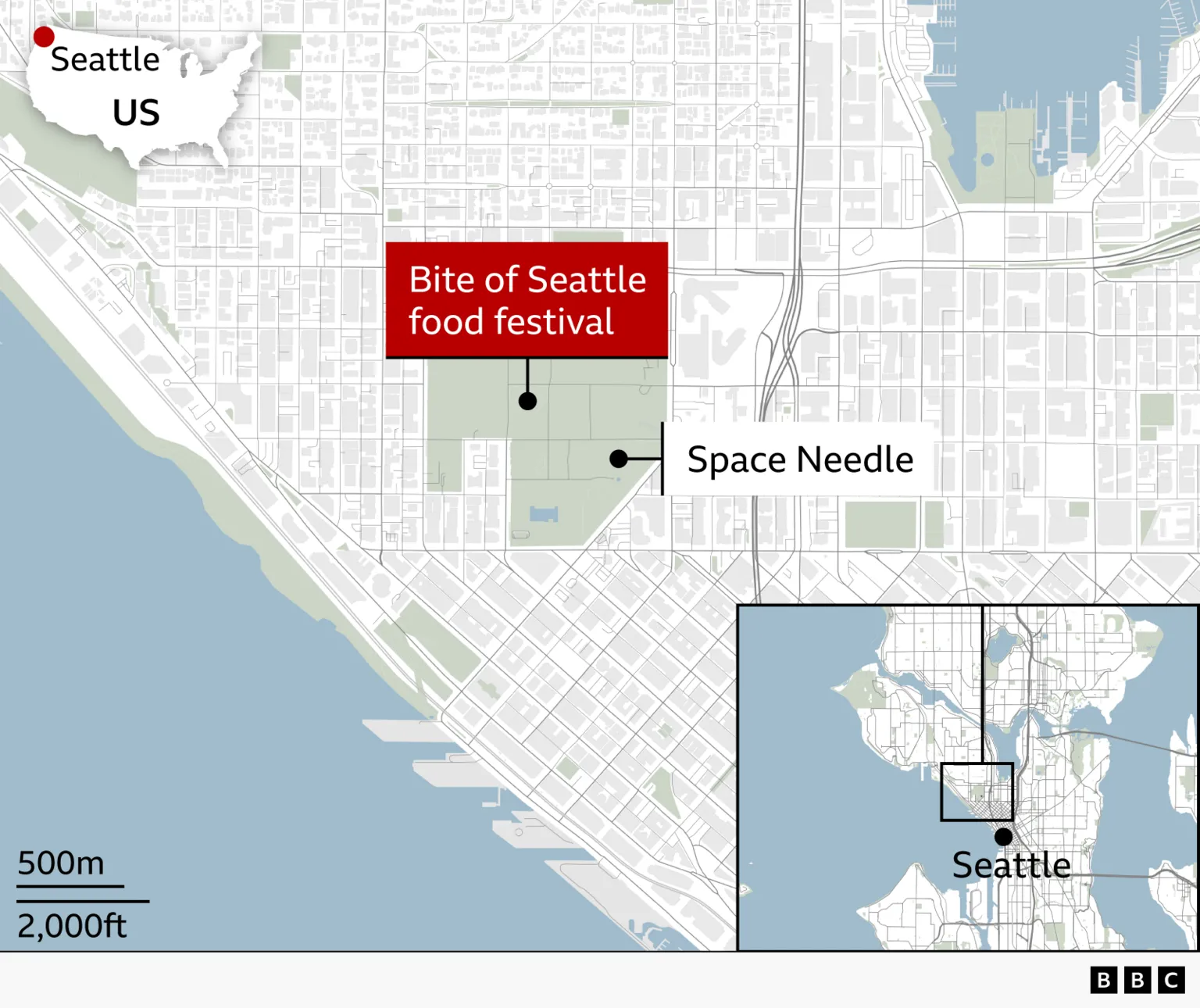
On Sunday, in downtown Seattle, near the famous Space Needle, a tragedy unfolded. At the food festival, an unknown person opened fire on visitors, killing three people and wounding several others. Eyewitnesses who were at the event describe what happened as “terrible” and “chaotic.” People heard popping sounds like gunshots and did not immediately understand what was happening, and then saw crowds running straight toward them. Police urged citizens to stay away from the area, and numerous law enforcement personnel are still on the scene.
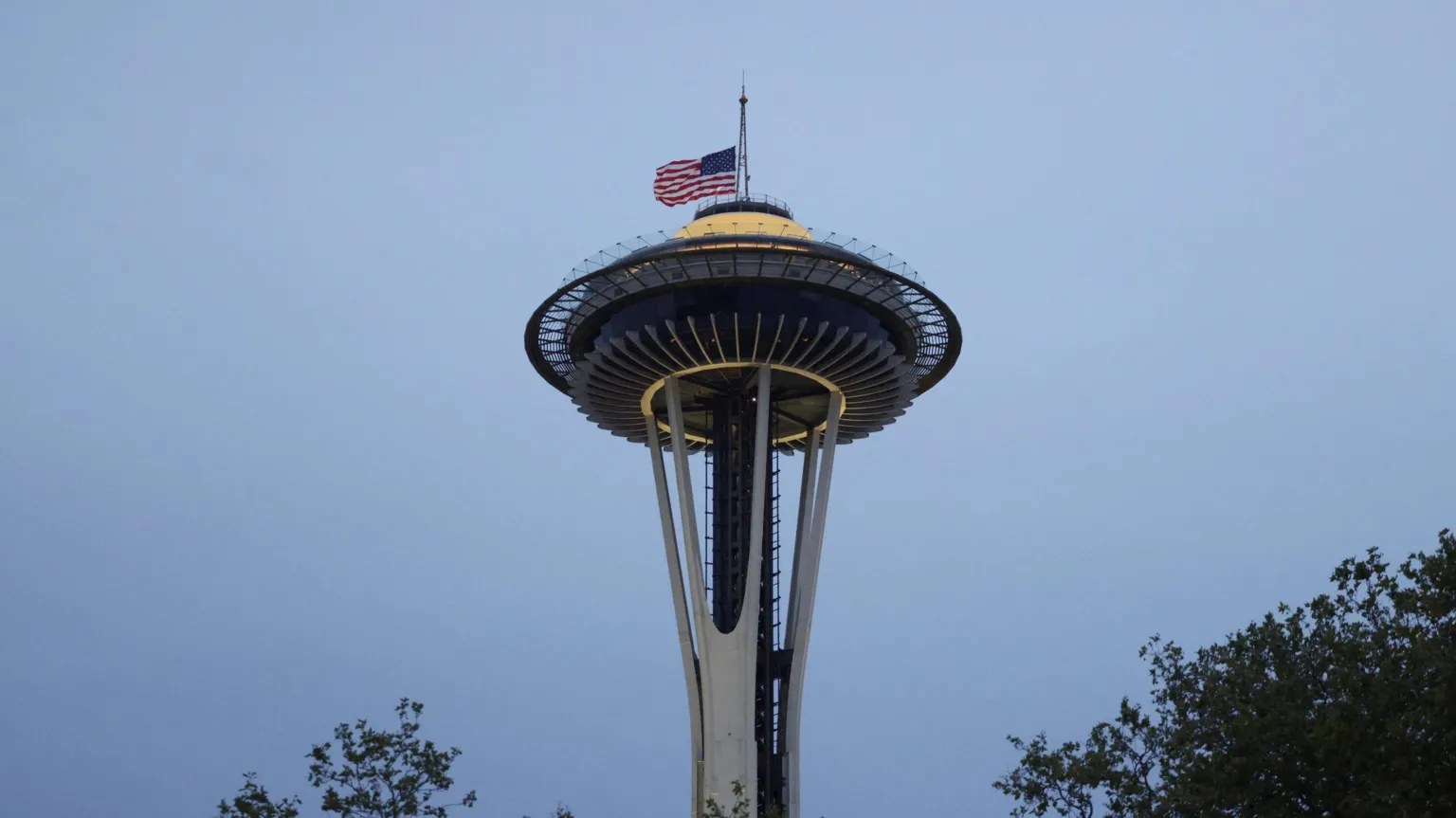
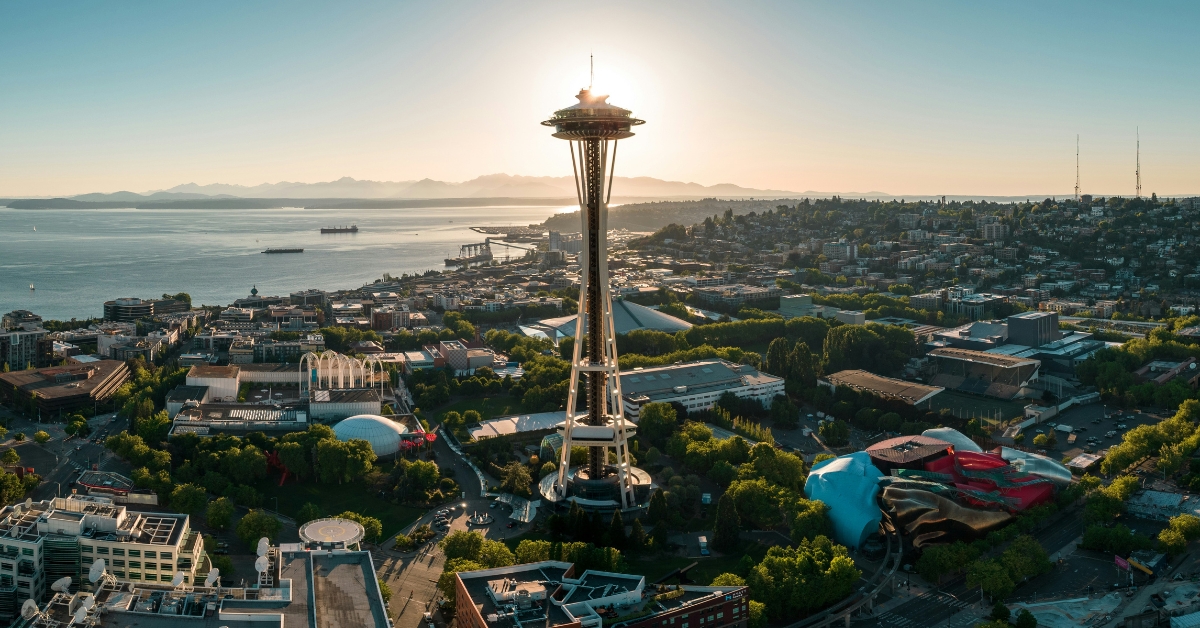
Information about the incident first emerged in a BBC report, which includes early testimony from survivors. For those unfamiliar with local realities, it is worth explaining: the Space Needle is not just an observation tower, but a real symbol of Seattle, located in a popular tourist and cultural cluster. The food festival, held right at the foot of the structure, draws many locals and visitors, especially on weekends. That is why the shooting sparked such panic: essentially, a mass gathering spot turned into a chaos zone in an instant.
The key takeaway from what happened is yet another reminder of the problem of gun violence in the United States, where even seemingly harmless public events can become a stage for tragedy. Experts say that in such cases, the decisive factor is not only the police response time, but also citizens’ psychological readiness — the ability to quickly recognize a threat and find shelter. Eyewitness accounts, in which people first “felt confusion” and only then ran, are typical of sudden attacks: the human brain does not interpret danger right away. Until police have disclosed the shooter’s motives and detained a suspect, only the numerous victims and the major work of investigative teams in the middle of the city landscape are known. This story once again raises questions about gun control and the safety of mass festivals.