
Twenty-eight-year-old Taylor Shander had lived with progressive liver disease for about a decade and knew she might eventually need a transplant. In December, while studying nursing at Everett Community College, her nausea worsened and she developed jaundice. Tests showed that the time for a transplant had arrived. Her older sister proved to be a suitable donor, and in March, UW Medicine specialists transplanted part of her liver into Shander. She documented her treatment in detail on CaringBridge.
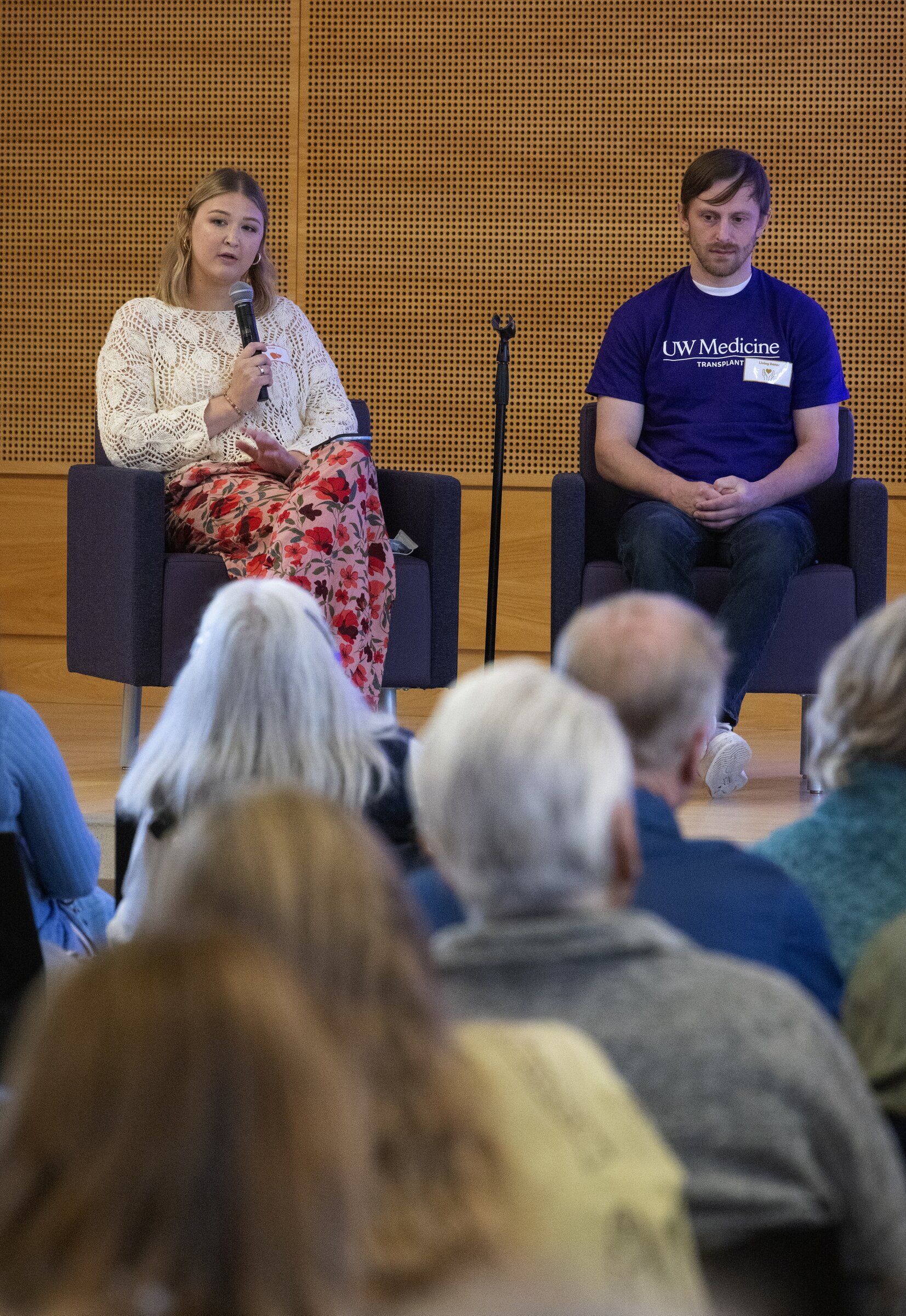
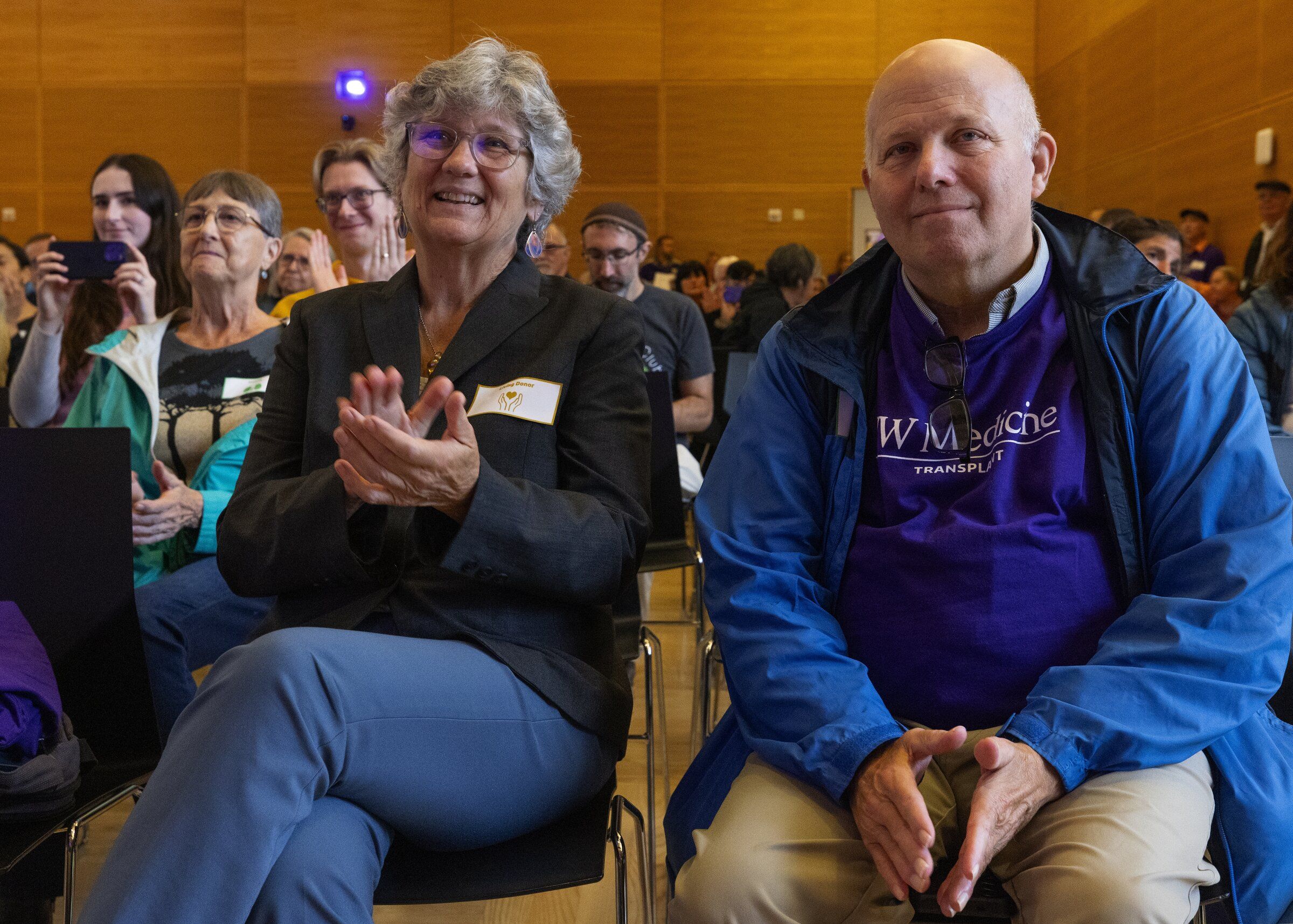
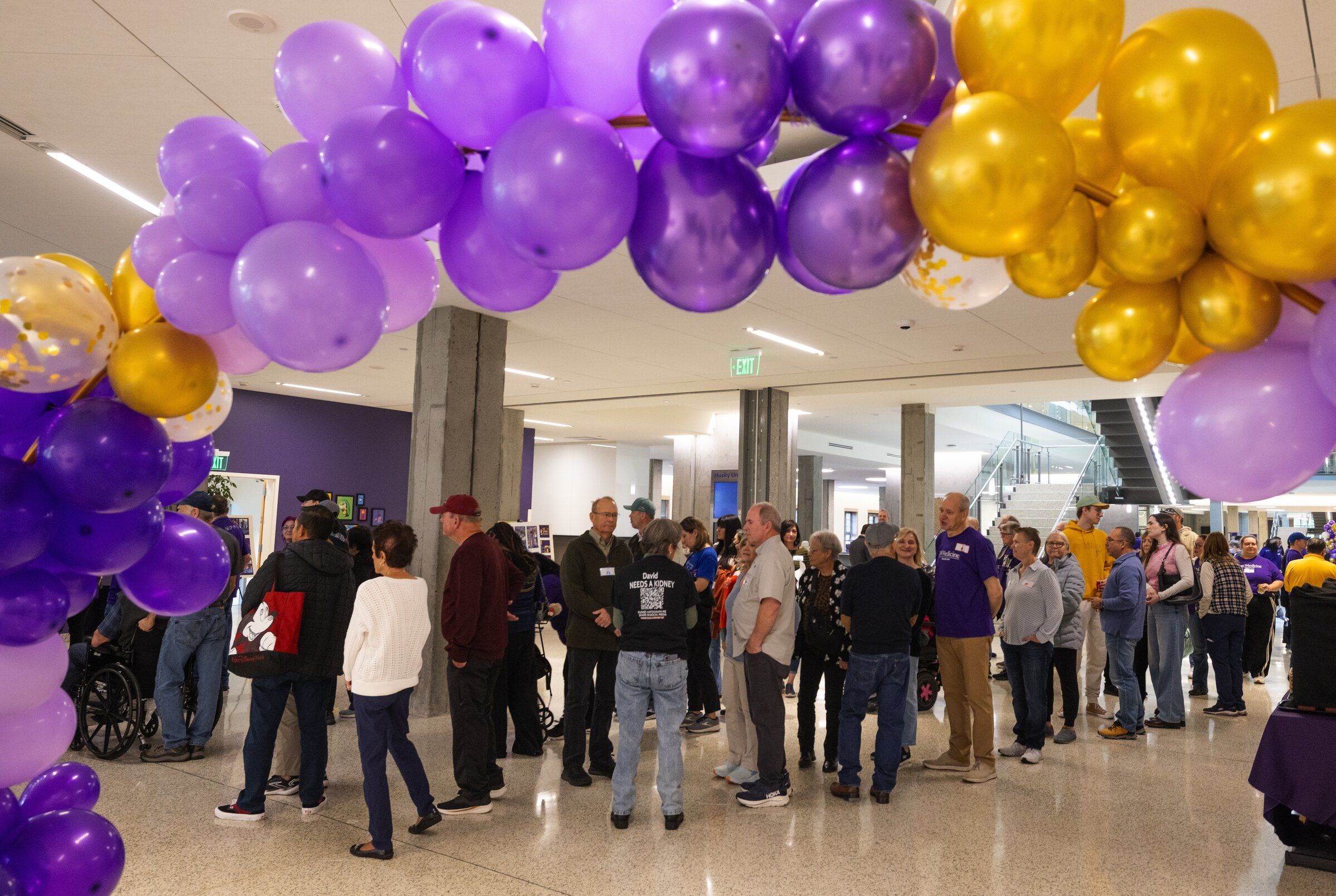
On Sunday, Shander spoke at the University of Washington’s second annual transplant celebration, which brought together more than 1,000 organ-transplant recipients, their relatives and medical professionals. She said the community’s support had helped her cope with the challenges and reminded her that simply being present for someone can make an enormous difference. Despite having been discharged recently, Shander was still receiving treatment for a mild liver-rejection reaction and was scheduled to return to the medical center the following day.
UW Medicine accepts patients not only from Washington, but also from Alaska, Idaho, Montana and Wyoming — regions without transplant centers. The institution is part of the U.S. federal transplant system and works with the regional organ-donation organization LifeCenter Northwest. Organs are allocated under the uniform rules of the national UNOS/OPTN network, which considers compatibility, urgency, time spent waiting and the distance between donor and recipient.
Patients from remote areas typically first receive care at local centers, such as those in Anchorage or Fairbanks, and are then referred to Seattle for evaluation, surgery and follow-up care. Medical teams coordinate scheduled or charter flights, urgent organ transport and continued monitoring near patients’ homes. The specific process depends on the patient’s condition and the type of transplant. Residents of remote parts of Alaska sometimes first travel to Anchorage or Fairbanks and then fly more than four hours to Seattle.
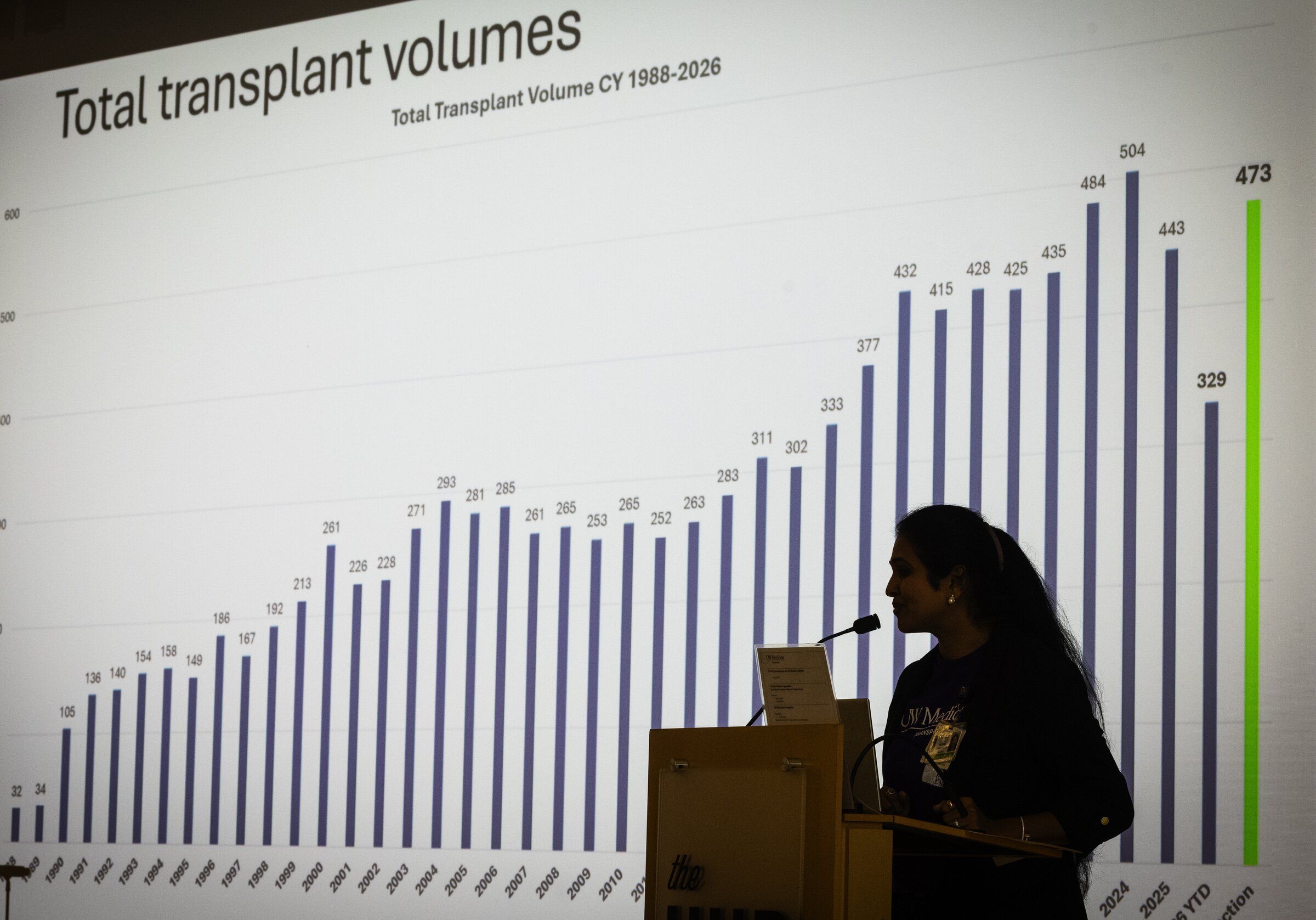
In 2025, UW Medicine doctors performed 443 transplants, and they have already performed more than 300 this year. According to Ryutaro Hirose, the institute’s surgical director, mortality among patients waiting for transplants has declined because priority is given to those who are most seriously ill. However, the overall shortage of organs means that many others still face long waits.
Medical professionals also urged people to talk more often about organ donation and discuss recovery-related issues in advance. Living donors receive preoperative evaluations, medical monitoring and psychological support. Transplant coordinators and social workers help arrange housing, transportation, food, sick leave and communication with doctors in patients’ home communities. When appropriate, the National Living Donor Assistance Center reimburses travel, lodging, lost income and expenses for caring for children or other dependents. Eligibility for this support depends on household income, insurance coverage, the type of transplant and the requirements of the specific program.
Living donors can donate a kidney or part of a liver, while organs from deceased donors are often the result of a difficult decision by a family that has lost a loved one. Meeting participant Nicholas Armitage described donating part of his liver to his father; on the last day of his hospital stay, his partner brought him a positive pregnancy test. For Shander, her sister’s sacrifice — and for Armitage, his help to his father — served as reminders of the power of human support despite the physical, financial and emotional difficulties of recovery.


Based on: Hundreds of UW organ transplant patients celebrate gift of life