Imagine being told you can’t bake pies at home and can only buy them in big stores. For almost half a century, homebrewing in the United States was a bit like that. Then it became legal, and ordinary people started experimenting, inventing and learning. A whole industry grew out of it, and Seattle became one of its major hubs.
A forgotten ban no one remembered
In the 1920s, the United States had Prohibition: making and selling alcohol was illegal. Prohibition was repealed in 1933, but a strange gap remained in the law. Homemade wine was allowed, but homebrewed beer was simply forgotten. So it was illegal to brew beer at home, even though no one could quite remember why.
More than forty years passed, and people who liked making things themselves began to talk about it. In October 1978, President Jimmy Carter signed a law allowing adults to brew beer at home for their own use. It became legal in 1979.
Beer isn’t for children, of course, but the idea itself is fascinating. Beer is made from grain, water, hops and yeast. Tiny living yeast cells “eat” sugar and release bubbles of gas. It’s real science in the kitchen, like experimenting with dough that rises.
Neighbors’ clubs and recipe swaps
Once the ban was lifted, people began getting together. They swapped recipes, showed one another how their brews turned out and came up with their own flavors. Around that time, a national organization for homebrewing enthusiasts was founded, and clubs sprang up in cities across the country. Members debated which hops were best and how long to wait.
The Pacific Northwest was well placed for this. The Yakima River Valley, where much of the country’s hops are grown, is nearby. Hops are like a spice in soup: they add bitterness and aroma. People in this part of the country also value independence and doing things their own way. All of this helped the new hobby take off.
From the garage to a real brewery
Homebrewers soon realized that if their beer tasted good, they could try making it for other people. In the early 1980s, the first small breweries—known as “craft” breweries—began to appear.
One of Seattle’s first, Redhook, was founded in 1981 by Gordon Bowker, one of the creators of Starbucks, and Paul Shipman. They set up their brewery in Ballard, in a former auto transmission repair shop. Instead of a massive factory, they had a small space with brewing kettles.
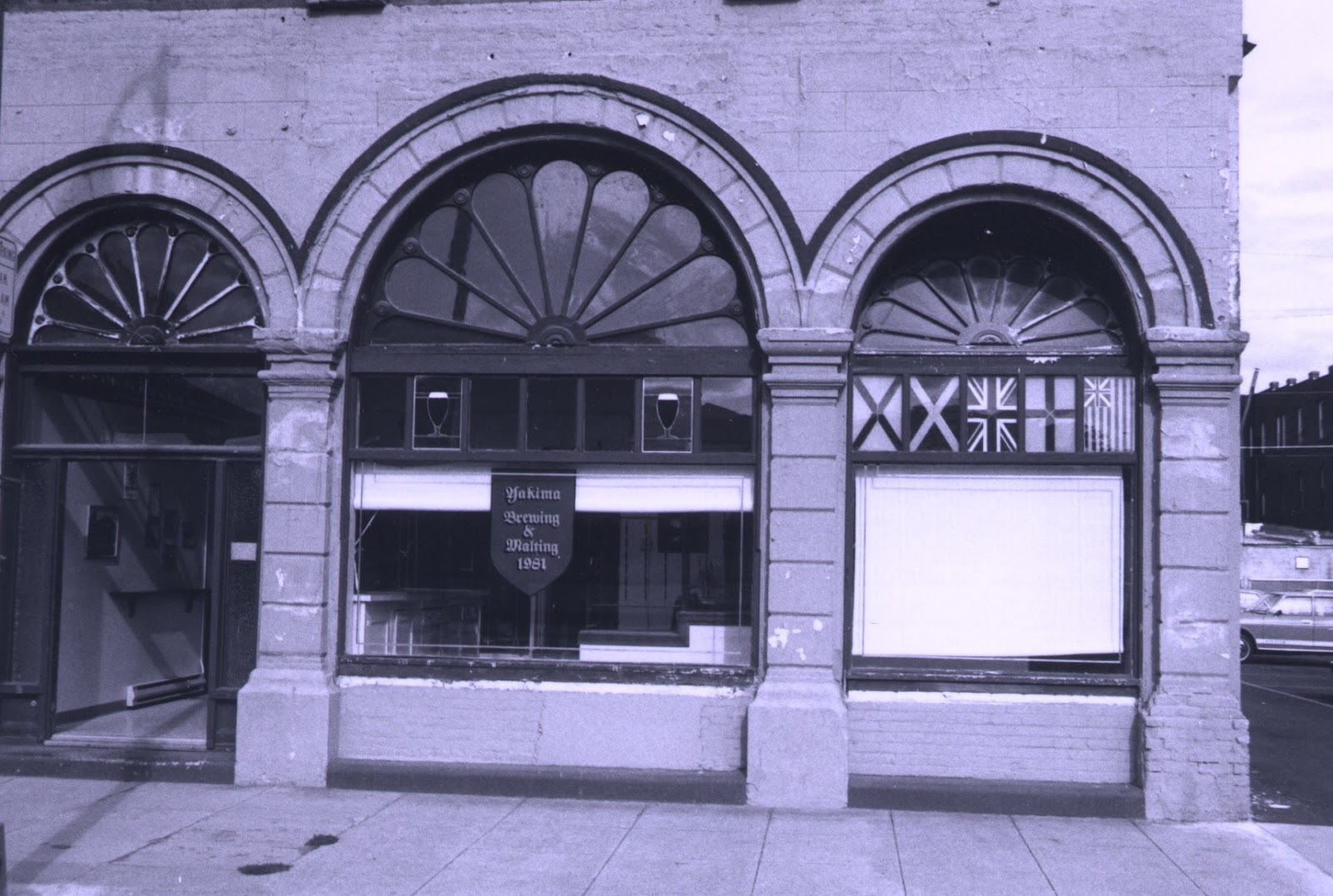
Around the same time, in 1982, a small brewery called Yakima Brewing and Malting opened in the city of Yakima. It was run by Bert Grant, a Scotsman who knew a lot about hops. Beer historians consider it the first “brewpub” in the United States after Prohibition: the beer was brewed and served on the same premises.
These small businesses didn’t succeed overnight. People weren’t used to beer being different and having “its own character.” But little by little, more and more customers came in.
What I think about this story
I like that it all began with a simple idea: “What if I try making it myself?” No one promised it would turn into a big business. People just wanted to find out what they could make, and they shared their discoveries with their neighbors. It’s like trying a new cookie recipe, inviting your friends over, and then having everyone ask for seconds.
Newspaper archives from those years and the recollections of brewery founders often return to one idea: making money wasn’t the main goal. They wanted to make something of their own. That’s why people loved the conversation, the chance to meet others and the stories at these places.
What remains of this story
Today, Seattle and the surrounding area are home to many small breweries. Many of them began with someone’s kitchen and a notebook full of recipes. The story of a ban that was repealed is a reminder that rules can change—and curiosity and persistence can turn a hobby into a whole business.
If you ever come up with your own pie or lemonade recipe, remember: big changes often begin with small experiments.