Imagine you’re forbidden to live somewhere just because you are who you are. Not because you did something wrong. Just because you were born the way you are. That sounds like a fairy tale about an evil wizard, doesn’t it? But it happened in a real American city—Seattle—some seventy years ago. And out of that injustice came something astonishing: music that the whole world knows today.
Invisible Walls Around the Neighborhood
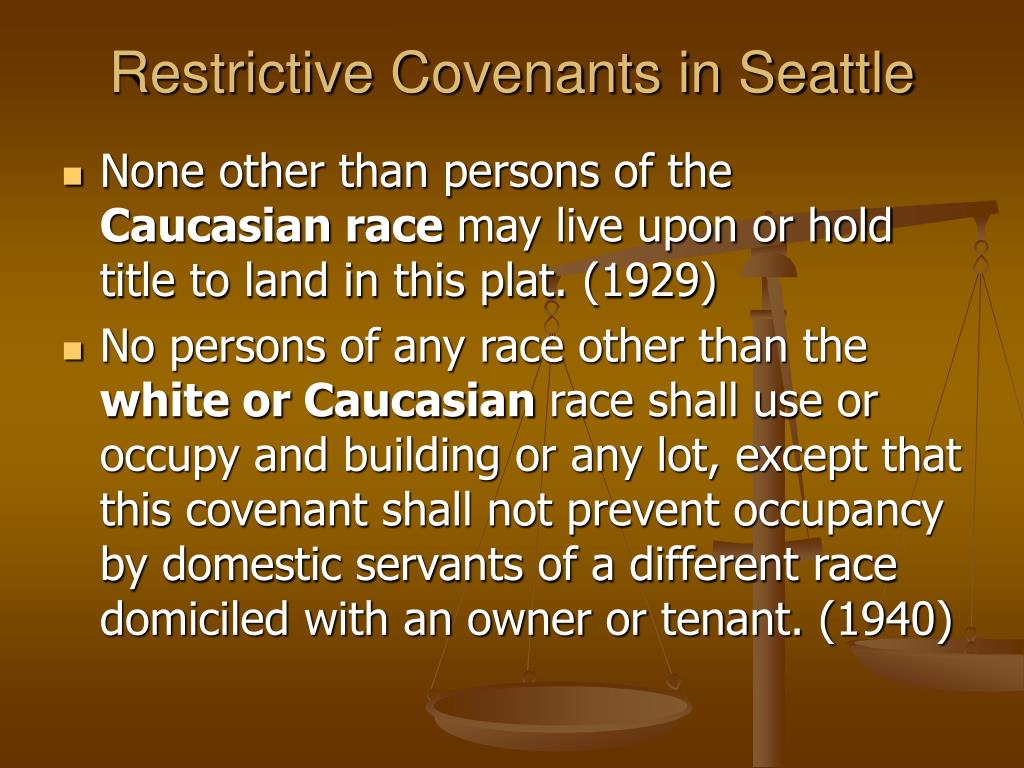
In the middle of the last century, Seattle had special rules—restrictive covenants, which you could translate as “restrictive agreements.” They sound dull, but the meaning was very cruel: if you bought a house, the contract could say you were not allowed to sell or rent it to a person with a dark skin color. It wasn’t a secret—it was written right into the paperwork adults signed.
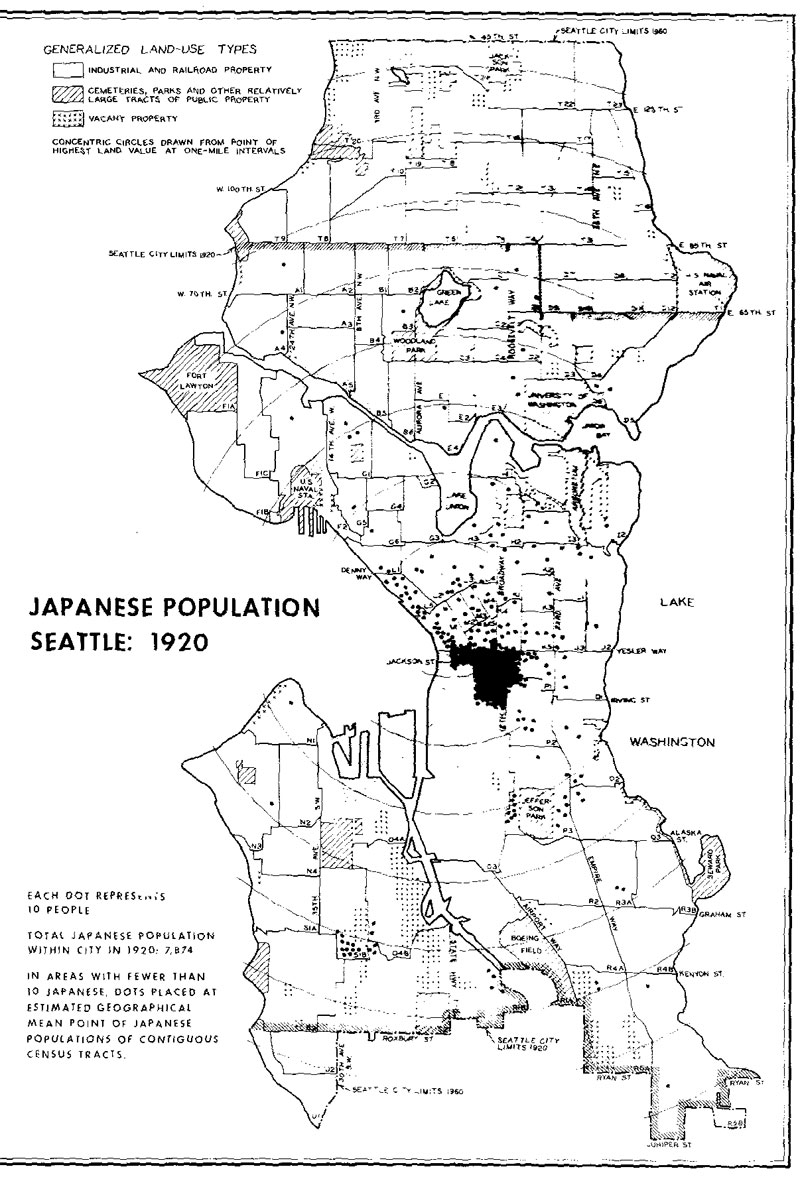
Because of these rules, Black families in Seattle could only live in one place—the Central District, which locals simply called “CD” (Central District). Not because they wanted to. Because they had no choice. The rest of the city was closed to them, like an invisible wall surrounded it.
But here’s what happens when many people live side by side, help each other, and share what they love: culture is born. Real, living, warm culture. In the Central District, churches opened where gospel was sung. Clubs appeared where blues and jazz were played. On house porches, evenings brought music. The neighborhood didn’t become a prison—it became home. A very musical home.
A Boy with a Guitar from the Neighboring Yard
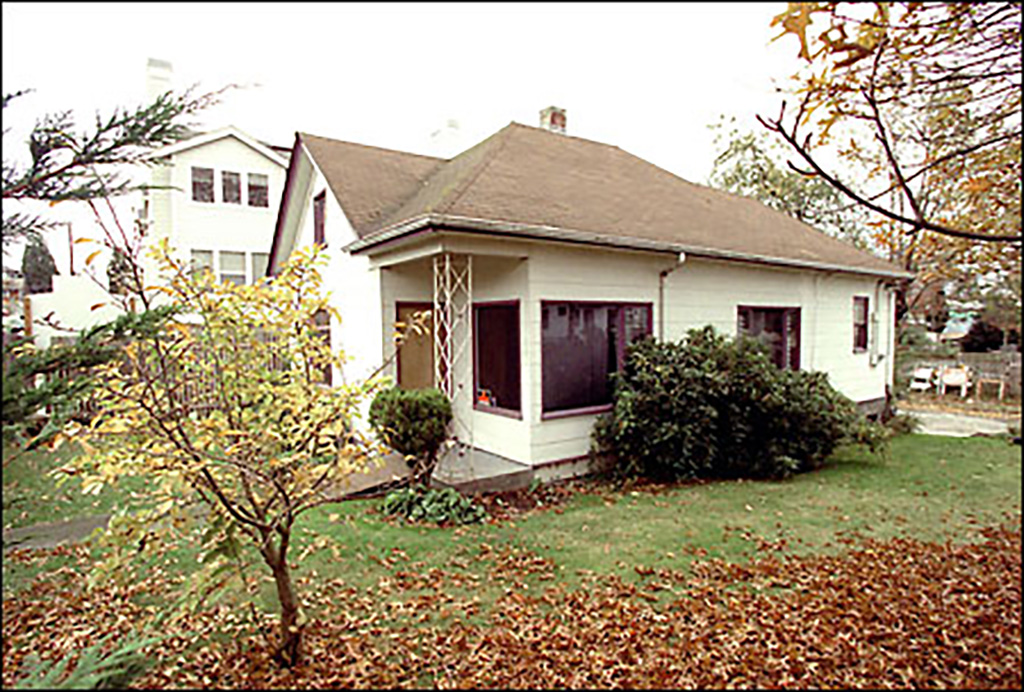
Among the children who grew up in the Central District in the 1950s was a quiet boy named Jimmy Hendrix. Yes, the same Jimi Hendrix—someone many musicians still consider the greatest guitarist of all time. He was born in Seattle in 1942 and grew up right here, on the streets of the Central District.
His family was not well off. His father worked a lot and hard. The first “guitar” young Jimmy made from rubber bands and a cardboard box. Later, he was given a real one—a used instrument bought for a few dollars. He played everywhere: at home, on the street, at school. Around him there was music—jazz from clubs, gospel from churches, blues from neighbors. The whole neighborhood sounded, and Jimmy absorbed those sounds like a sponge.
Later, he would leave Seattle, become famous around the world, and play on huge stages. But his musical roots are right here—in the streets of the neighborhood where injustice forced his family to go.
“Music is my religion,” Hendrix said. And he found that religion in Seattle’s Central District.
A Flower Through Asphalt
There’s an expression—“a flower that pushes through asphalt.” It’s about how life and beauty find a path even where they’re hindered. The Central District’s story is exactly about that.
People who were unfairly trapped in one place didn’t break. They built a community. They shared food, stories, and songs. The neighborhood’s jazz clubs—like the legendary “Black and Tan Club”—became places where musicians could play freely, where audiences listened and understood. Famous jazz musicians from all over America came to perform here because they knew they would be welcomed.
This is a very important lesson, not just for Seattle. Culture—music, food, art, language—is born where people stick together. When people are stripped of so much, they cling more tightly to what they have: their voices, their stories, their instruments. That’s why the richest musical traditions in the world often emerged in the toughest circumstances.
Other cities are studying the Central District’s history now to understand how to preserve the neighborhood’s living culture when wealthy developers move in and housing prices rise. The answer isn’t simple. But the first step is to acknowledge that this culture exists, that it’s valuable, and that real people and real stories stand behind it.
What’s Left, and What It Means for Us
Today, the Central District has changed a lot. Many families were forced to leave because housing became extremely expensive. But the neighborhood’s musical memory hasn’t gone anywhere. In Seattle, there is a Jimi Hendrix Museum. Every year, jazz festivals take place. Local residents and historians gather memories from longtime residents, record stories, and preserve photographs.
And here’s what I think—that it’s important to say plainly: injustice shouldn’t be the source of beauty. It would have been better if those families could have lived wherever they wanted, if there had been no restrictive covenants, if Jimi Hendrix had grown up in a world where he was accepted everywhere. But beauty still won. Music still found its way out. And now our task is to remember where it came from—and make the world so that beauty doesn’t have to push through asphalt.
Because flowers deserve to grow freely.