Imagine you work on a train, carrying heavy suitcases, cleaning rooms, and smiling at passengers all day and all night. And when you come home to Seattle, you have nowhere to relax with friends because many places won’t let you in because of the color of your skin. That’s how African American railroad porters lived in the early 1900s. But they didn’t give up — they built their own home. And that home changed the whole city.
People who worked on wheels
At the beginning of the 20th century, when people traveled across America by train (airplanes were still rare!), each car had special assistants — porters. They helped passengers with luggage, brought meals, made up beds in the sleeping cars, and made sure everyone was comfortable. Almost all the porters were African American.
The job was very important, but also very hard. Porters worked 20-hour shifts, slept only 3–4 hours, and were paid very little. But they saw the whole country, met different people, and learned news from other cities. They were like living newspapers on wheels! When porters arrived in Seattle, they brought stories, ideas, and dreams of a better life.
But in Seattle they faced a big problem. In the 1920s, many restaurants, clubs, and even parks barred Black people. There were signs reading "White Only." Porters had nowhere to gather after work, nowhere to celebrate holidays, nowhere to simply talk with friends.
The house they built themselves
In 1926 a group of porters decided: "If they won’t let us in, we’ll build our own place!" They began collecting money — one dollar, five dollars from each paycheck. It was very hard because they earned so little. But they didn’t give up.
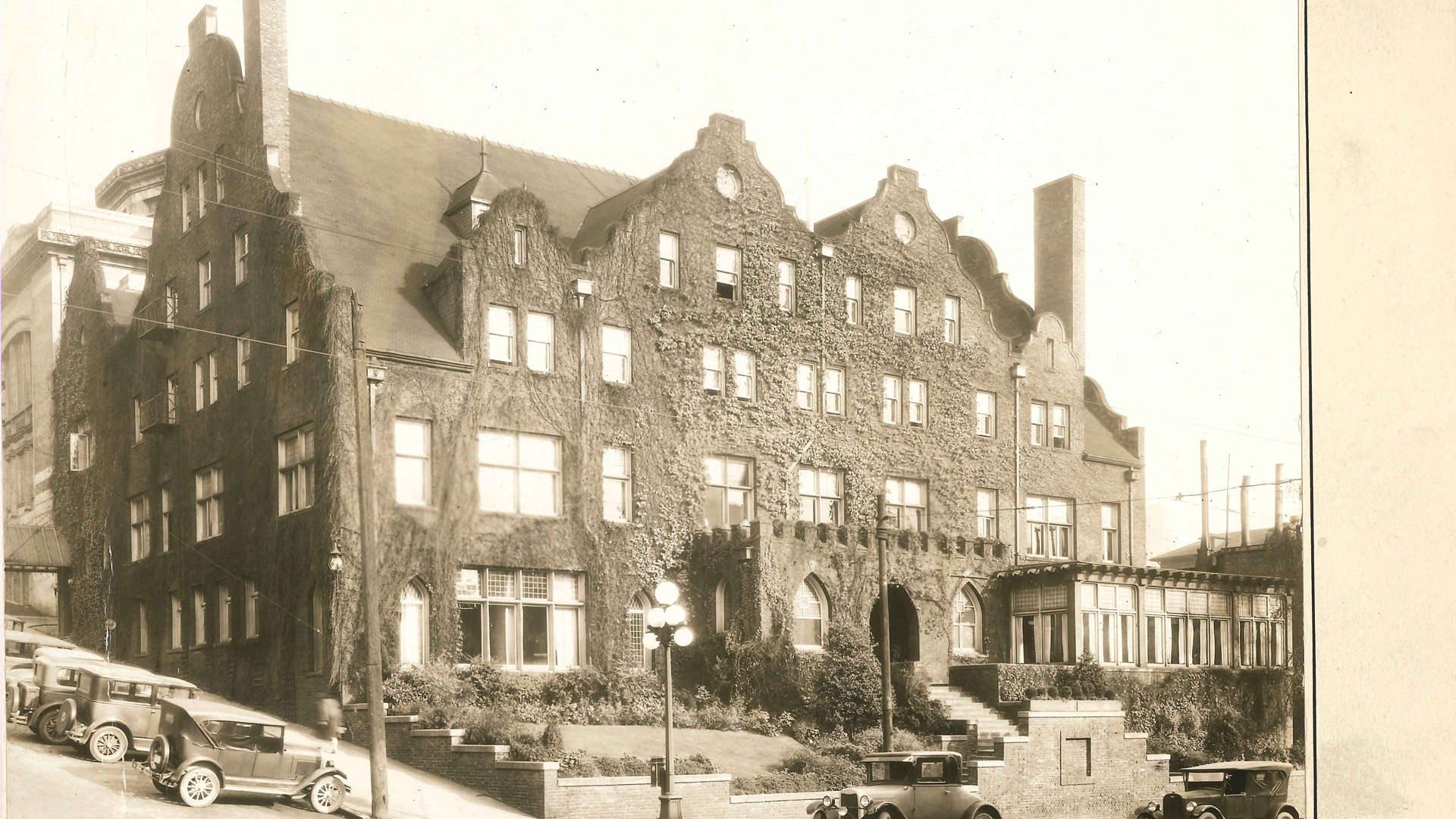
A few years later, in 1930, they bought an old building in downtown Seattle and opened the "Porters’ Club." The club had: - A large hall for meetings and celebrations - A small library with books - Rooms where one could rest between runs - A kitchen where people cooked together
But many white Seattle residents were frightened. They thought, "What is this place? What will happen there?" Some newspapers printed falsehoods about the club, saying it was dangerous. Police often came to check that everything was in order, even though the porters were doing nothing wrong.
The porters did not get angry. They simply kept doing their work. And gradually something surprising began to happen.
When a seed becomes a tree
The Porters’ Club became more than just a place to rest. It became the center of Seattle’s African American community.
The porters created a special relief fund. Each month they set aside part of their money into a common fund. These funds helped families when someone fell ill or lost a job. But most importantly — they provided scholarships to children!
Porters’ children could get money for school and university. That was incredibly important because at that time very few African American children could afford higher education. The club had a library where children did their homework. Older porters, who had traveled widely and knew a lot, told children about different cities and about the importance of studying and dreaming.
One girl, the daughter of a porter named George, came to the club every day after school. She read all the books in the library — about medicine, history, and other countries. The porters saw her effort and gave her family a scholarship. She became the first doctor in her family! There were many stories like that.
A place that changed the rules
Over time something began to change in Seattle. White residents saw educated young people coming out of the Porters’ Club — teachers, doctors, engineers. They saw how porters helped their neighbors, organized celebrations, and cared for the city.
The club held meetings where important issues were discussed: how to win fair treatment at work, how to make it possible for all children to attend the same schools, how to change unjust laws. Porters were among the first in Seattle to begin organized fights for equal rights.
In 1941 porters, together with other workers, formed one of the first unions for Black workers on the West Coast. They demanded better working conditions, reasonable work hours, and fair pay. And do you know what? They won! Railroad companies agreed to improve conditions.
Gradually the fear disappeared. The Porters’ Club became a respected place. It wasn’t only African Americans who came there anymore, but other Seattle residents too — for jazz concerts, lectures, and celebrations. The place that once aroused suspicion became a treasure of the whole city.
What remains of the dream
Today Seattle remembers the porters. Although the original club building no longer exists (it was sold in the 1970s), the porters’ story is part of the city’s museums. In the neighborhood where the club once stood there is now a commemorative plaque.
But the porters’ most important legacy is not a building. It is an idea: when people are barred from places, they can build their own. And that place can become so strong and important that it changes how everyone around sees them.
The children of those porters who received scholarships grew up and began helping others too. The porters’ grandchildren became teachers who teach justice and history in Seattle schools. Great-grandchildren work in museums and tell this story to new generations.
The porters taught all of Seattle an important lesson: don’t be afraid of people who are different from you. Give them a chance to show who they really are. Often those people make the city better, kinder, and more interesting.
A small seed — a club created by tired railroad workers — grew into a large tree under which thousands found shade and support. And that tree still bears fruit.